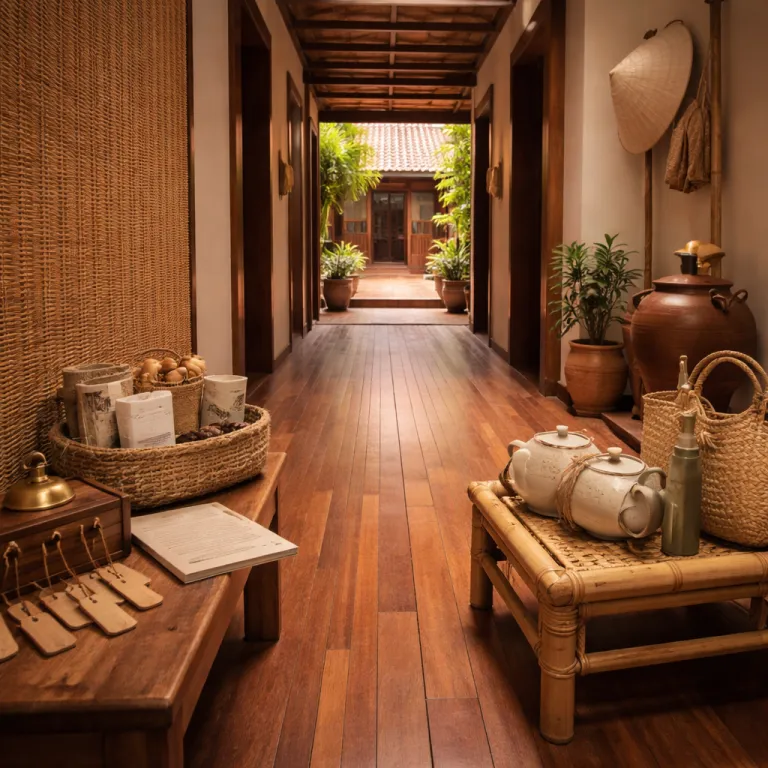
Accommodation Vietnam: three luxury styles that shape your journey
Accommodation in Vietnam is not one single idea; it is three distinct worlds that can define your entire trip. For families who value comfort and seasoned guests, the real decision is not which hotel to book for a night, but which style of stay will frame every bowl of phở, every motorbike ride and every conversation with a local host. Across the country’s roughly 30,000 hotels and other places to stay, according to the Vietnam National Administration of Tourism (VNAT), the choice now sits between heritage homestays, characterful independent hotels and full scale beach resort properties that stretch along the coast.
VNAT reported 18 million international visitors in 2019, before the pandemic, and arrivals are climbing back toward that level, which means competition between hotels is fierce and offers are increasingly refined. That pressure has created a spectrum of accommodations where a family can move from a stilt house in the north to a glass fronted hotel in Hồ Chí Minh City within the same week, and still feel a coherent narrative of culture and comfort. In this landscape, decisions about where to stay are less about star ratings and more about matching the right property to your travel style, your children’s ages and your appetite for immersion in city life or quiet rural nights.
Travelers and accommodation providers now operate in a continuous, always on ecosystem where online booking and walk in reservations coexist in every major city. The national context is clear: Vietnam’s growing tourism industry wants to welcome visitors, enhance the overall trip experience and raise satisfaction through better located hotels, more thoughtful offers and a wider range of private and shared spaces. As you plan your own Vietnam journey, think of each hotel, homestay or beach resort as a different lens on the same country, from Hà Nội’s lakeside streets to the lantern lit alleys of Hội An and the high rise skyline of Hồ Chí Minh City.
Heritage homestays in the north: culture rich stays for curious families
In the mountains around Sa Pa, Mai Châu and Đắk Lắk, accommodation often takes the form of wooden stilt houses, terraced rice paddies and smoky kitchens where the host grills corn while children chase chickens in the garden. These heritage homestays are not hotels in the classic sense, yet they now compete nationwide for travelers who want meaningful contact with ethnic minority communities and a slower night rhythm. For comfort focused families, they work best as a two or three night chapter within a longer trip, balanced with a more conventional hotel stay in Hà Nội or another major city.
Homestays in these regions are usually located within walking distance of villages, and the location is part of the offer rather than an afterthought. A ten minute stroll might take your group from a private wooden room to a waterfall, while another short walk leads to a tiny shop where the owner shares stories about how guests now contribute directly to the local economy. Facilities are simpler than in a city hotel: you may have shared bathrooms, basic pools replaced by rivers, and gardens that are working farms, but the trade off is access to rituals, markets and street food that no urban property offers in the same way.
Standards vary, so read reviews carefully and look for clear photos of rooms, bathrooms and shared spaces before you book a night. Local authorities and hosts are improving safety and comfort, yet you should still verify amenities, ask about private sleeping areas for children and confirm how many guests the house can comfortably host. These accommodations are ideal for families with older children or teens who can handle rustic conditions, while business travelers and first time visitors from the United States often prefer to keep heritage experiences as day trips from a more predictable hotel base in Hà Nội or another hub.
For coastal contrast after the mountains, many families pair a northern homestay with time at a refined beach resort on the central or southern coast. Properties in Đà Nẵng, for example, combine kids’ clubs, lagoon style pools and direct beach access, and you can explore a curated selection of elegant Vietnam beach resort escapes for discerning travelers through specialist coastal guides. This balance between immersive village nights and polished resort days is one of the most rewarding ways to structure accommodation in Vietnam for culture focused yet comfort seeking guests.
Independent character hotels in central Vietnam: where style meets street food
Central Vietnam is where accommodation becomes a dance between design, heritage and the irresistible pull of street food culture. In Hội An, independent hotels line the Thu Bồn River with tiled roofs, leafy courtyards and pools that glow softly at night. These boutique properties are usually located within a short walk or cycle ride of the Ancient Town, which means your group can slip from a private family suite to a bowl of cao lầu on a lantern lit corner without ever needing a taxi.
Đà Nẵng, just up the coast, offers a different rhythm, with high rise hotels facing the sea and a growing number of smaller properties tucked into streets behind the main beach road. Many of these places to stay are owned by local families who understand both international expectations and the realities of city life, so you will often find thoughtful touches like kids’ pools, small gardens and connecting rooms for multi generational guests. For a refined overview of what to do between swims and street food tastings, you can consult an insider guide to elegant ways to enjoy Đà Nẵng and other things to do for a refined coastal escape on specialist platforms.
In Hội An and Đà Nẵng, the best places to stay for comfort oriented families usually combine a central location with enough private space to retreat from the heat and noise. Look for hotels where the pool is large enough for children to play without disturbing other guests, where the garden is shaded and where reviews mention quiet nights despite the proximity to bars and restaurants. These accommodations sit in the sweet spot between rustic homestays and large scale beach resort complexes, giving you flexibility to explore markets by day and return to a calm, well run hotel by evening.
When you evaluate options in the central region, pay attention to how each hotel describes its connection to local culture. Some properties partner with nearby villages in Quảng Nam for craft workshops, while others focus on food, sending guests to specific street food vendors rather than keeping them inside the hotel restaurant. For a deeper sense of how luxury stays can translate into meaningful journeys, curated resources such as guides to luxury Vietnam experiences help you filter hotels that simply look good from those that genuinely engage with their surroundings.
Beach resorts and coastal escapes: when a full service hotel is the right call
From Nha Trang to Phú Quốc and Bình Thuận, coastal accommodation is dominated by the beach resort model, and for many traveling families this is exactly what they need. In Nha Trang, long arcs of sand are lined with places to stay ranging from high rise towers in the city to low slung villas in quieter bays, and the best properties understand that families want both activity and privacy. A well designed beach resort will offer multiple pools, kids’ clubs, shaded gardens and direct beach access, so each guest can choose between action and rest throughout the day.
Phú Quốc has become one of the most popular destinations for travelers from the United States and across Asia who want a classic island stay with clear water and polished service. Here, accommodation often means large scale international hotels located on long beaches, with extensive packages that bundle spa treatments, meals and activities into multi night stays. For parents juggling work emails and children’s energy levels, this kind of hotel can be a relief: standards are predictable, reviews are plentiful and the logistics of transfers, meals and excursions are handled by experienced teams.
Further south and east, Bình Thuận province, including Mũi Né, offers a more low key version of the beach resort experience, with windsurfing, kitesurfing and long, breezy beaches. Many hotels in this region are smaller than the giants of Phú Quốc or Nha Trang, yet they still provide pools, gardens and private rooms that work well for families and couples. When you compare these coastal accommodations, consider how many minutes you want to be from the nearest town, what kind of street food scene you hope to access and whether you prefer a hotel located directly on the sand or slightly inland for quieter nights.
For travelers planning a coastal focused trip, curated platforms such as elegant Vietnam beach resort escape collections can help narrow the field. These resources highlight properties across the country that balance polished service with a sense of place, from Đà Nẵng’s urban shoreline to the quieter coves of Ninh Thuận and the emerging resorts near Đắk Lắk’s lakes. In the context of accommodation choices, a beach resort is often the most suitable option for families with young children, first time visitors nervous about language barriers and business guests who need reliable meeting spaces and connectivity alongside leisure facilities.
Chain hotels versus independent stays: matching standards to traveler profiles
One of the most common questions about where to stay in Vietnam is whether to book an international chain hotel or an independent property, especially in Hồ Chí Minh City and Hà Nội. In Hồ Chí Minh City, often shortened locally to Sài Gòn, the skyline is dotted with global brands that offer consistent room layouts, familiar loyalty programs and extensive business facilities, which can be reassuring for a guest arriving from the United States for the first time. These hotels are usually located in central districts, within a short walk or taxi ride of major sights, and they excel at handling late night arrivals, airport transfers and last minute requests.
Independent hotels in major hubs, by contrast, often trade scale for personality and local knowledge. A smaller property in Hà Nội’s Old Quarter might not have a huge pool or sprawling garden, but the receptionist will draw you a hand sketched map to the best bún chả stall and arrange a private motorbike tour through backstreets that never appear in generic reviews. For couples and repeat guests who already feel comfortable navigating Vietnam, these accommodations can turn a standard stay into a layered experience, connecting you to street food vendors, tailors and artisans in ways that large hotels rarely manage.
For families who value comfort, the decision often comes down to the ages of the children and the purpose of the trip. If you are in Hồ Chí Minh City for a mix of meetings and sightseeing, a chain hotel with reliable room service, interconnecting rooms and a supervised pool can remove friction from your stay, especially after a long night flight. If your focus is cultural immersion in Hội An, Huế or Ninh Bình, an independent hotel or homestay located near key sights may offer more flexible spaces for guests to gather, play and rest between excursions.
Across Vietnam, accommodation providers and travelers are part of a broader shift toward eco friendly practices and locally owned properties, even as international hotel supply grows. Official guidance for visitors often emphasizes three simple rules: book in advance during peak seasons, verify amenities before booking and consider location proximity to attractions. When you apply these principles to your own choices, you can confidently mix chain hotels, independent stays and heritage homestays, knowing which style serves each leg of your journey best.
Booking smart in Vietnam: local platforms, OTAs and on the ground tactics
The way you book accommodation can shape both price and experience, especially in a country where online booking and walk in reservations coexist in every major city. International online travel agencies remain popular for their wide inventory of hotels across Vietnam, transparent reviews and familiar payment systems, which many guests from the United States and Europe find reassuring. Yet local booking platforms and direct hotel websites often feature limited time offers, extra night promotions or private transfer inclusions that do not always appear on global sites.
In Hồ Chí Minh City, Hà Nội and Đà Nẵng, many hotels still welcome walk in guests, particularly outside peak holiday periods. This can work if you are flexible about location and open to exploring several places to stay in the same district before committing to a night, but it is less suitable for comfort oriented families who need specific room configurations or accessible pools and gardens. For those travelers, reserving accommodation in advance through a trusted platform or directly with the hotel is usually the wiser choice, especially when traveling with children or elderly guests.
When reading reviews, focus on recent comments about cleanliness, noise levels at night and the accuracy of room descriptions, rather than only star ratings. Pay attention to how other guests describe the location: are they praising easy access to street food, or warning about long taxi rides from the city center or beach resort areas? In destinations such as Nha Trang, Phú Quốc and Bình Thuận, where coastal properties can be spread out, knowing whether your hotel is located ten minutes or forty minutes from the main town can change the feel of your entire trip.
Specialist resources like curated Vietnam hotel guides compile accommodation options with an emphasis on honest, unsponsored assessments and insider level detail. Their mission is clear: to act as a definitive guide to luxury hotels in Vietnam, curating the best properties, sharing insider tips and delivering transparent reviews to help discerning travelers find exceptional stays. When you combine that kind of curation with your own priorities around pools, private spaces, gardens and proximity to key highlights, you can build a trip that flows smoothly from Hà Nội’s lakes to Hội An’s lanterns and on to the sands of Phú Quốc or Ninh Thuận.
Regional highlights: matching Vietnam’s top destinations to your travel style
Each major region adds a different note to the accommodation symphony, and choosing the right mix matters more than chasing a single perfect hotel. Hà Nội offers lakeside luxury hotels with leafy gardens, rooftop pools and easy access to the Old Quarter’s street food, making it ideal for culture focused families and couples who enjoy walking in a compact city. Hồ Chí Minh City, by contrast, is a vertical metropolis where many hotels are located in high rise towers, giving guests sweeping views over the skyline and fast access to business districts.
Along the central coast, Đà Nẵng and Hội An form a natural pairing, with the former providing modern beachfront hotels and the latter offering characterful riverside stays. Families often split their time between a beach resort in Đà Nẵng, where children can spend most of the day in the pool or garden, and a smaller hotel in Hội An’s historic core, where every night ends with a stroll past lanterns and late opening cafés. For more detailed planning of refined coastal activities, curated articles such as elegant ways to enjoy Đà Nẵng can help you align your accommodation choices with specific experiences.
Further afield, Hạ Long Bay, Ninh Bình and Đắk Lắk add layers of landscape to the accommodation picture. In Hạ Long Bay, overnight cruises function as floating hotels, giving guests private cabins and constantly changing views, while Ninh Bình’s karst scenery is best enjoyed from small homestays and eco lodges located among rice fields. Đắk Lắk, with its coffee plantations and lakes, offers emerging options that blend homestay intimacy with hotel comfort, and these destinations work well as add ons for travelers who have already sampled the classic city and beach resort circuit.
On the southern coast, Nha Trang, Bình Thuận and Phú Quốc each cater to slightly different traveler profiles. Nha Trang’s dense strip of seafront hotels suits guests who like an energetic city by the sea, Bình Thuận appeals to wind sports enthusiasts and quieter couples, while Phú Quốc’s large resorts are ideal for families and honeymooners seeking all in one stays. By understanding how each region’s accommodations, locations and styles align with your own priorities, you can turn a simple list of hotels into a coherent Vietnam journey that feels tailored rather than generic.
Key figures shaping accommodation choices in Vietnam
- Vietnam’s national tourism authorities report around 30,000 hotel and lodging establishments across the country, giving travelers a wide spectrum of accommodations from homestays to luxury beach resort complexes.
- Approximately 18 million international tourists visited Vietnam in 2019 according to the Vietnam National Administration of Tourism, which drives continuous investment in hotels nationwide and raises service standards in both city and rural areas.
- Official guidance for visitors emphasizes three core booking practices: reserve in advance during peak seasons, verify amenities before booking and consider each property’s location relative to key attractions.
- Sector reports highlight a rise in eco friendly accommodations and growing popularity of homestays, particularly in northern regions such as Sa Pa and Mai Châu, where stays contribute directly to local communities.
- Vietnam’s tourism development strategy links accommodation growth with broader goals to enhance visitor satisfaction and support sustainable economic development in both major cities and emerging destinations.
FAQ: planning your accommodation in Vietnam
What types of accommodations are available in Vietnam ?
Hotels, hostels, homestays, resorts, guesthouses and eco lodges are all available across Vietnam, ranging from simple village stays to full service luxury properties in major cities and coastal areas. This diversity allows travelers to combine several styles within a single trip, such as a heritage homestay followed by a beach resort. In practice, most visitors mix at least two types of accommodation to balance comfort and cultural immersion.
Are accommodations in Vietnam affordable for premium travelers ?
Vietnam offers a wide price range, and even high end hotels often cost less than comparable properties in the United States or Europe. Comfort oriented families can find spacious rooms with pools and gardens in major hubs and coastal resorts at competitive nightly rates, especially outside peak holidays. Value is strongest when you book multi night stays or take advantage of offers that bundle transfers, meals and experiences.
Is it necessary to book accommodations in advance in Vietnam ?
It is recommended to book in advance during peak tourist seasons, particularly for popular destinations such as Hạ Long Bay, Hội An, Nha Trang and Phú Quốc. Walk in bookings are still possible in many cities, but guests with specific room requirements or preferred locations risk limited choice if they wait. Advance reservations also give you time to read reviews carefully and verify that each hotel’s facilities match your expectations.
How should I choose between a homestay, independent hotel and beach resort ?
Homestays suit travelers who prioritize cultural immersion and are comfortable with simpler facilities, while independent hotels in cities and heritage towns balance local character with modern comforts. Beach resort properties are ideal for families with children, first time visitors and business guests who want predictable standards, extensive pools and private spaces. Many travelers design their Vietnam accommodation plan by starting with a resort or city hotel for recovery, then adding shorter homestay or eco lodge segments for deeper local experiences.
Are eco friendly and locally owned accommodations easy to find in Vietnam ?
Eco friendly and locally owned properties are increasingly visible in both rural and urban areas, reflecting a broader shift toward sustainable tourism in Vietnam. In regions such as Đắk Lắk, Ninh Bình and the northern highlands, many homestays and small hotels are run by local families who reinvest income into their communities. In cities and beach resort zones, more hotels now highlight energy saving measures, reduced plastic use and partnerships with local producers, giving guests practical ways to support responsible travel through their accommodation choices.