Elegant ways to enjoy the beach and city side of Da Nang
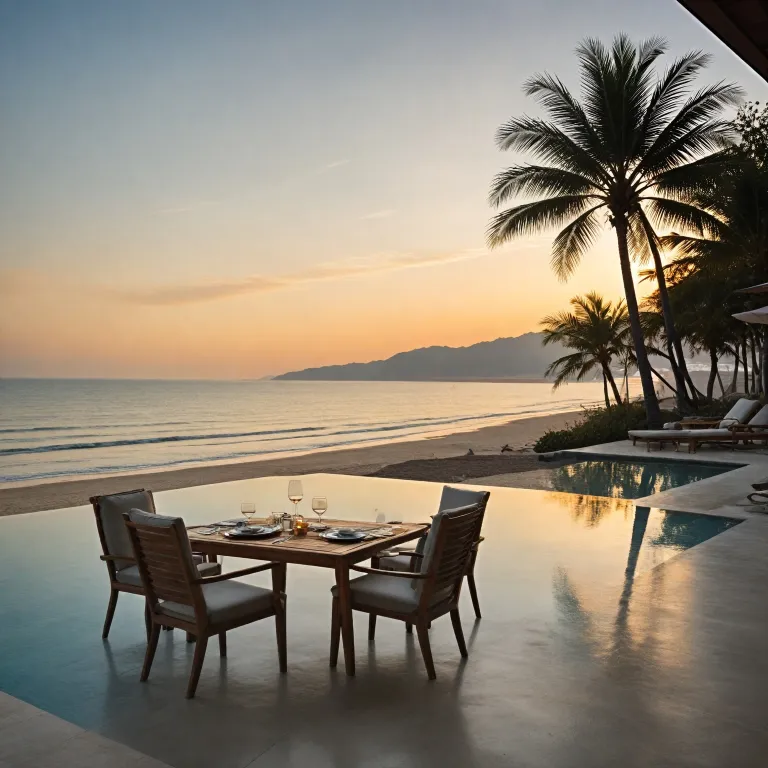
Understanding what to do in Da Nang starts with its shoreline and vibrant city side. Along My Khe Beach and other stretches of sand, the city offers calm mornings, energetic afternoons, and refined evenings that suit luxury and premium travellers. Many visitors pair a relaxed swim in the clear water with a leisurely walk back into the city, where high end cafés and rooftop lounges frame the skyline of Da Nang Vietnam.
My Khe Beach, often written as Khe Beach, is ideal for guests who want a refined stay close to the sea yet within minutes of the urban core. You can plan a day that begins with sunrise yoga on the beach, continues with a spa session in a premium hotel, and ends with cocktails overlooking the Han River and its illuminated bridge network. This balance between beach and city makes Da Nang one of the best coastal bases in Central Vietnam for travellers who value comfort and style.
On the city side, elegant coffee culture is part of daily life and a highlight for any trip. Order a slow drip Vietnamese coffee in a quiet café, then pair it with local food such as fresh seafood or refined takes on street classics. Many luxury hotels curate private coffee tastings and food pairings, helping guests understand how Da Nang’s coffee traditions connect with the wider culture of Vietnam.
For travellers planning day trips, the central location of Da Nang Vietnam allows easy access to Hội An, the Hải Vân Pass, and Sơn Trà Peninsula. You can stay in a premium property on the beach, then arrange a chauffeured ride over the Hải Vân Pass for sweeping coastal views. This combination of relaxed stay, curated day trips, and effortless travel logistics defines the modern luxury experience in this city.
Iconic bridges, Han River evenings, and refined city walks
Evenings along the Han River reveal another side of what to do in Da Nang for discerning guests. The city’s famous bridges create a dramatic skyline, and each bridge offers a different mood and vantage point. Architectural tourism has grown rapidly here, with travellers seeking refined ways to experience each bridge while enjoying the comforts of luxury hotels and curated riverfront dining.
The Dragon Bridge, designed by Ammann & Whitney Consulting Engineers with the Louis Berger Group, is the most theatrical. Its 666 meter span breathes fire and water on scheduled nights, so it is wise to check the Dragon Bridge show times before you visit to secure the best viewing spots. Many premium hotels and riverfront lounges offer private terraces where guests can watch the Dragon Bridge performance while enjoying Vietnamese food and carefully crafted cocktails.
Nearby, the Han River Bridge and other crossings connect the city side with the beach districts, making it easy to ride between riverfront hotels and coastal resorts. A private car or chauffeured ride allows you to glide across each bridge in comfort, turning simple transfers into scenic experiences. For travellers researching luxury and premium hotel booking in Vietnam, this seamless movement between river and sea is a key advantage of staying in Da Nang Vietnam.
Those interested in design will appreciate how modern bridges complement the city’s hospitality scene. Many properties draw inspiration from the curves of the Dragon Bridge or the clean lines of the riverfront when shaping their interiors and suites. For a deeper look at how high end properties across the country approach aesthetics, you can explore this guide to luxury and premium hotel booking in Vietnam interior design inspirations for discerning travelers, then compare those ideas with what you see along the Han River.
Ba Na Hills, Golden Bridge, and cable car experiences in the clouds
Many travellers asking what to do in Da Nang are drawn to the cool air and dramatic views of Bà Nà Hills. This hilltop complex, developed by Sun Group, combines landscaped gardens, atmospheric architecture, and sweeping panoramas over Central Vietnam. The highlight for many visitors is the Golden Bridge, a 150 meter pedestrian bridge designed by TA Landscape Architecture, which appears to rest in a pair of giant stone hands.
Reaching Bà Nà Hills involves a scenic cable car ride that glides above forested slopes and waterfalls. Luxury travellers often arrange private transfers from their beach or city side hotel to the cable car station, ensuring a smooth and comfortable start to the day trip. Once at the top, you can stroll the Golden Bridge early in the morning to avoid crowds, then retreat to quieter corners of the complex for coffee or a refined lunch.
Because Bà Nà Hills sits at higher elevation than Da Nang city, temperatures are usually cooler and the light softer. This makes it an appealing escape during warmer months, especially for guests staying several days in Da Nang Vietnam who want variety in their itinerary. Many premium hotels can arrange guided day trips that combine the cable car, Golden Bridge, and curated photo stops with minimal waiting time.
When planning your time, consider pairing Bà Nà Hills with a relaxed evening back at My Khe Beach or along the Han River. A full day trip in the hills followed by a spa treatment and Vietnamese food tasting in your hotel creates a balanced rhythm. This approach allows you to enjoy both the natural drama of Central Vietnam’s mountains and the coastal elegance of your chosen stay.
Marble Mountains, Sơn Trà Peninsula, and coastal nature escapes
For travellers who value nature and culture, the Marble Mountains and Sơn Trà Peninsula are essential parts of what to do in Da Nang. The Marble Mountains rise unexpectedly from the flat coastal plain between the city and Hội An, offering caves, pagodas, and viewpoints over the beach. Wear comfortable shoes when exploring the Marble Mountains, as steps can be steep and surfaces uneven in some sections.
Many luxury hotels arrange private guides who explain the spiritual significance of each peak and temple. After your visit, you can return to your beach resort for a late Vietnamese coffee or a cooling swim in the water, reflecting on the contrast between the quiet caves and the lively shoreline. This combination of cultural depth and seaside relaxation is one reason Da Nang Vietnam appeals to guests seeking more than a simple beach holiday.
To the north, Sơn Trà Peninsula, sometimes called the Sơn Trà Peninsula or Trà Peninsula, offers forested hills, hidden coves, and panoramic views back toward the city. A highlight here is the towering Lady Buddha statue, which stands above the sea and watches over My Khe Beach and the wider bay. Many visitors arrange a half day ride around Sơn Trà, stopping at viewpoints, small beaches, and the Lady Buddha complex before returning to their stay in the city.
Those with more time can extend their ride beyond Sơn Trà toward the Hải Vân Pass, also known as the Van Pass, which curves dramatically between Da Nang and Huế. Luxury travellers often choose a private car with an experienced driver for this route, allowing them to enjoy the scenery without stress. These coastal drives, combined with refined hotels and attentive service, create a sophisticated way to experience Central Vietnam’s landscapes.
Culture, Cham sculpture, and refined coffee and food experiences
Beyond beaches and bridges, understanding what to do in Da Nang also means engaging with its cultural heritage. The Museum of Cham Sculpture, sometimes referred to as the Cham Sculpture Museum, houses one of the most important collections of Cham art in Vietnam. Its galleries provide a calm, air conditioned environment where you can appreciate intricate stone carvings and learn about the ancient kingdoms that once ruled Central Vietnam.
Many luxury hotels offer guided visits to the Museum of Cham Sculpture, pairing the experience with curated commentary and private transfers. After exploring the museum, you might continue your day with a refined Vietnamese coffee tasting in a nearby café, comparing traditional drip methods with modern espresso based interpretations. This blend of history and contemporary coffee culture helps travellers see Da Nang city as more than a simple beach destination.
Food is another highlight for guests planning a premium stay in Da Nang Vietnam. Upscale restaurants reinterpret local dishes using seasonal ingredients, while still honouring the flavours that define Central Vietnam’s cuisine. You can enjoy a tasting menu that moves from delicate seafood to richly spiced specialities, then return to your hotel for a nightcap overlooking the Han River and its illuminated bridge network.
For those planning day trips, Da Nang’s location between Hội An and Huế makes it an ideal base. You can arrange a day trip to Hội An for lantern lit evenings and riverside dining, then retreat to the quieter luxury of your Da Nang stay. Over several days, alternating between cultural excursions, coffee explorations, and relaxed time by the water creates a richly layered travel experience.
Planning your stay, day trips, and luxury hotel choices in Da Nang
When travellers research what to do in Da Nang, they often also ask how to choose the right place to stay. The city offers a wide range of luxury and premium hotels along My Khe Beach, the Han River, and the central city side, each with distinct advantages. Riverfront properties place you close to the Dragon Bridge, Cham Sculpture Museum, and coffee culture, while beach resorts emphasise water activities, spa treatments, and direct sand access.
For many guests, the best approach is to divide their trip between the beach and the city side. Spend a few nights in a beachfront resort for easy access to Khe Beach, Sơn Trà Peninsula, and coastal day trips, then move to a riverfront hotel for evenings focused on food, bridges, and cultural visits. This strategy allows you to experience multiple facets of Da Nang Vietnam without sacrificing comfort or adding long transfers.
Day trips are central to planning, especially if you want to include Hội An, Bà Nà Hills, or the Hải Vân Pass. Luxury travellers often book private cars or guided tours that handle timing, tickets, and logistics, ensuring each day trip runs smoothly and efficiently. As one local guidebook notes, “Visit the Golden Bridge early in the morning to avoid crowds.”
Safety and practicality also matter when designing an elegant itinerary in Central Vietnam. Da Nang is generally considered safe for tourists, but standard precautions such as using reputable transport providers and safeguarding valuables still apply. With thoughtful planning, you can enjoy refined hotels, memorable food and coffee experiences, and a series of well paced day trips that reveal the best of this dynamic coastal city.
Key statistics for planning your Da Nang itinerary
- The Golden Bridge at Bà Nà Hills extends approximately 150 meters across the hillside.
- The Dragon Bridge spans about 666 meters over the Han River in Da Nang city.
- Chi Lăng Stadium in Da Nang has a capacity of around 20 500 seats for events.
Essential questions about visiting Da Nang
What is the best time to visit Da Nang ?
The best time to visit Da Nang is from February to May when the weather is pleasant. During these months, conditions are usually favourable for beach days, cable car rides, and day trips. Humidity and rainfall tend to be lower than in the peak monsoon period, which supports a more comfortable luxury travel experience.
Are there any entrance fees for the attractions ?
Some attractions may have entrance fees ; it's advisable to check official websites for the latest information. Major sites such as Bà Nà Hills, the Marble Mountains, and certain museums usually charge admission, sometimes with separate fees for cable cars or special exhibits. Many premium hotels and tour operators can pre arrange tickets, helping guests avoid queues and manage costs transparently.
Is it safe to travel around Da Nang ?
Yes, Da Nang is generally considered safe for tourists. However, always exercise standard precautions. Using licensed taxis or reputable ride services, keeping valuables secure, and following local guidance from your hotel concierge will help ensure a smooth and worry free stay.
Trustful expert sources
- Vietnam National Administration of Tourism
- Da Nang Department of Tourism
- UNESCO World Heritage Centre (for nearby Hội An and Huế context)