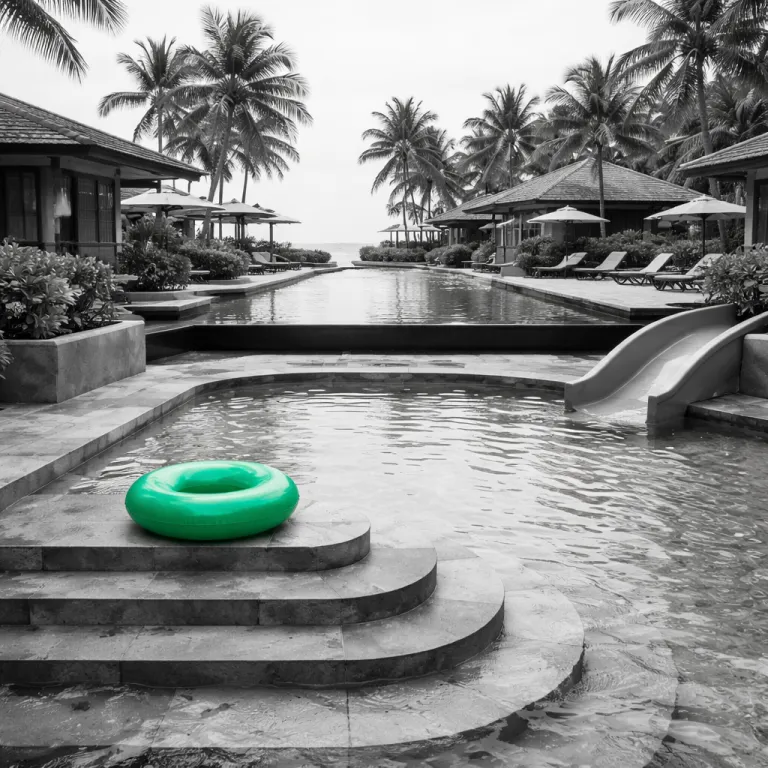
How to read “family resort Vietnam luxury” when you actually travel with children
Most listings using the phrase family resort Vietnam luxury promise a kids’ pool and maybe a high chair. The properties that genuinely understand a Vietnam family trip think first about sleep, safety and sanity for parents, then layer in experiences that make children feel this stay belongs to them as much as to the adults. When you plan a trip across Vietnam, from Hanoi to Ho Chi Minh City, you need to decode which coastal or city resort options are built for real families and which hotels have simply added a slide near the main pool.
Start with room configuration, because that is where a family resort either works or fails. Look for a villa or interconnecting rooms that keep children close yet give adults a door to close, and check whether the hotel offers guaranteed connections rather than “on request” at check-in. In the premium segment of hotels across Vietnam, the smartest layouts place parents near the balcony or bay view while kids sleep deeper inside, away from early morning light and late-night corridor noise; one Hanoi parent described it as “the difference between a holiday and just changing nappies in a different time zone”.
Next, examine how the property talks about kids, not just whether it lists a kids’ club. A serious family resort in Vietnam will publish age ranges, daily schedules and clear policies for babies, toddlers, school-age children and teenagers, instead of a vague promise that “families are welcome”. When a resort offers thoughtful touches such as bottle sterilizers, baby-proofing, teen-only activities and flexible dining hours, you know this is not just a generic luxury hotel with a shallow family label; according to the Vietnam National Administration of Tourism, properties that invest in kids’ facilities report higher repeat family bookings year after year (always check the latest VNAT reports or hotel investor presentations for updated figures).
Coastal hubs for families: Đà Nẵng, Nha Trang, Cam Ranh and beyond
Along the central coast of Vietnam, the stretch from Đà Nẵng through Hội An and down to Cam Ranh has become the country’s most reliable corridor for a family resort Vietnam luxury stay. Here, long beaches, calm bays and short transfer times from major airports combine with a deep bench of beach hotels and all-ages resorts that actually think about families first. From Đà Nẵng International Airport, for example, most seafront properties sit within a 15–25 minute drive, which keeps arrival day meltdowns to a minimum; you can verify exact transfer times on each hotel’s website or by checking map apps before you book.
Pullman Đà Nẵng Beach Resort is a good example of a coastal property that understands multi-generational travel. Its 186 rooms, according to the hotel’s own fact sheet, all come with balconies looking over the beach or gardens, and the main pool is wide enough that adults can swim laps while kids splash at the shallower edge without colliding. Families with younger children will appreciate how the hotel offers direct beach access with lifeguards on duty during core daylight hours (confirm current hours with the resort, as staffing can vary by season), plus quick taxi links into Đà Nẵng city for street food runs when room service starts to feel repetitive.
Further south, Nha Trang and nearby Cam Ranh Bay host a cluster of seaside resorts that lean into the classic sun-and-sand script. Vinpearl Resort Nha Trang, set on Hòn Tre Island in the bay, connects directly to the VinWonders theme park, which means older kids and teenagers can graduate from the family pool to roller coasters and water slides. Parents who prefer a quieter stay can base themselves at a more low-key resort in Cam Ranh, around 45 minutes from Cam Ranh International Airport according to most transfer guides, then dip into Nha Trang’s energy for a day-trip mix of beach, markets and seafood.
For readers wanting a broader overview of refined coastal and urban stays, our guide to Vietnam resorts for refined stays along coast and city maps how these hubs compare when you factor in children’s ages, transfer times and medical access. It is a useful cross-check when you weigh a bay-facing villa against a city base with better hospitals and rainy-day distractions; Đà Nẵng and Nha Trang, for instance, both have international-standard clinics within a 20–30 minute drive of most beachfront resorts, based on information published by major hospital groups and hotel concierge teams.
Age smart programming: under 6, 6–12 and teenagers
When you evaluate any family resort Vietnam luxury option, ask how it programs for specific age bands rather than just “kids”. Children under six need shade, naps and gentle stimulation, while those between six and twelve crave structured play and a bit of independence, and teenagers want privacy plus activities that do not feel like school. The best resort properties in Vietnam design their kids’ club, excursions and even restaurant seating plans around these differences, so each child feels seen and parents are not left improvising entertainment.
Six Senses Ninh Vân Bay, set on a dramatic bay reached by a 20-minute boat ride from Nha Trang, is one of the clearest examples of this age-smart approach. Its Vooc Village kids’ club offers 58 kid-friendly activities, a figure cited in the resort’s own family brochure, from junior spa rituals to simple gardening, which means families with multiple children can keep everyone engaged without defaulting to screens. Younger kids can spend mornings in shaded sand pits or painting workshops while older children try paddle boarding in the calm bay, then regroup with parents at a villa that often includes a private pool and wide deck for sunset snacks.
For babies and toddlers, Meliá Hồ Tràm, around 140 kilometres (about a three-hour drive) from Ho Chi Minh City, works well as a first long-haul stay. The resort offers beachfront villas where parents can roll a stroller straight from bedroom to garden, and the main pool is backed by plenty of loungers in the shade for nap-friendly supervision. Families who want a more theme-park-driven stay can look to Vinpearl Resort Nha Trang, where the combination of a family pool, easy access to rides and varied dining options keeps children from six to twelve happily exhausted by early evening.
Teenagers are often the hardest group to please on any trip across Vietnam, because they sit between child and adult worlds. Properties like Six Senses Ninh Vân Bay and some of the new openings in Phú Quốc, such as the elevated island retreat at Park Hyatt Phú Quốc Resort, solve this with water sports, photography walks and cooking classes that treat them as young adults. In these high-end resorts, the real luxury is not just the bay view or villa size, but the way staff speak directly to teenagers, giving them ownership of part of the stay and, as one 15-year-old guest put it, “a reason to look up from my phone”.
Culture, food and heritage: keeping children engaged beyond the pool
A family resort Vietnam luxury stay that never leaves the pool deck wastes the country outside the gates. Vietnam is one of the rare destinations where a bowl of street food can rival any hotel restaurant, and where a short walk from a city-view hotel can drop you into a lantern-lit alley that feels like a film set. The trick is to curate these experiences so that children stay curious rather than overwhelmed, especially in the heat and evening crowds.
In Hội An, many resorts run lantern-making workshops that introduce children to the town’s craft heritage without turning it into homework. An evening stroll through the lantern-lit streets of the old town, timed early before the crowds peak around 8pm, lets families see the riverfront glow and sample gentle street food such as bánh mì or fresh fruit shakes. Parents can then retreat to a quieter family resort outside the old town, where kids fall asleep with the sound of frogs rather than karaoke drifting up from the river.
Further north, a Hanoi stay works best when you balance culture with play. Mornings might mean a cyclo ride around Hoàn Kiếm Lake and a visit to the Temple of Literature, both easy to frame as treasure hunts for children, while afternoons return to the hotel pool for decompression. In the evening, families can head out again for street food in the Old Quarter, where a single block might offer phở, bún chả and grilled corn, all easy entry points for cautious eaters; one Ho Chi Minh City family told us their eight-year-old “went from plain rice to slurping phở in two days”.
Heritage does not stop in the cities. Hạ Long Bay, a UNESCO World Heritage site, offers overnight cruises where families can kayak, visit caves and learn about local fishing communities, though you should check cabin sizes carefully before booking with children. On the other side of the country, Côn Đảo combines protected marine life with a slower rhythm that suits older kids and teenagers who can handle longer boat trips. In both places, the smartest hotels in Vietnam partner with local guides who know how to pitch history and ecology at a child’s level without talking down to them, often limiting groups to eight to ten guests so children can ask questions.
Safety, seasons and the new wave of family focused luxury
Every family resort Vietnam luxury decision should start with two practical questions: how safe is the beach, and how fast can we reach medical care. Not all bays and beaches in Vietnam are equal for children, and not every resort has the same depth of training among its team. When you travel with babies or toddlers, a slightly less dramatic view can be a fair trade for a flatter beach, lifeguards on duty and a hospital within a short drive of your room.
Destinations like Đà Nẵng, Nha Trang and Ho Chi Minh City score well on this matrix, because they combine strong hotel infrastructure with established clinics and international hospitals. More remote areas such as parts of Côn Đảo or some stretches near Cam Ranh Bay feel wilder and more cinematic, but you should speak directly with the hotel about emergency procedures before you commit to a long stay. In all cases, check whether the hotel offers a doctor on call, child-appropriate life jackets for boat trips and shaded areas around the main pool where children can rest; as a rule of thumb, aim for resorts within 30–45 minutes of a reputable clinic when travelling with very young children.
Seasonality matters too, and families should think in terms of microclimates rather than a single monsoon chart for the whole of Vietnam. Central coast destinations have a different rainy pattern from Hanoi or Ho Chi Minh City, and some properties, such as those in the Hội An and Nam Hội An corridor, feel very different between dry and wet seasons. When you plan a trip that includes both Hạ Long Bay and the south, you may need to accept that one part of the stay will be more about culture and city life than about the beach, especially if you are travelling in the shoulder months of April–May or October–November.
The market is responding to these nuances with a new generation of family-focused brands and openings. Westin leans into wellness for families, while Le Méridien positions itself around cultural immersion, and a wave of new properties from Fairmont Hanoi to Marriott Phú Quốc reflects how seasonal patterns shape development. Our overview of new luxury properties opening in Vietnam tracks how these hotels are building kids’ clubs, family suites and Vietnam family programming into their DNA rather than bolting them on later.
Booking strategies and where homestays fit into a luxury family trip
Once you know which family resort Vietnam luxury properties fit your children’s ages, the next step is to book with strategy. Demand for family resort stays in Vietnam has risen sharply, and the most child-friendly room types often sell out first during school holidays. Booking early, especially for villas with a private pool or guaranteed interconnecting rooms, is less about chasing a discount and more about securing the layout that lets everyone sleep; many parents now reserve six to nine months ahead for peak periods.
Many resorts offer family packages that bundle airport transfers, kids’ club access and sometimes meals, which can simplify budgeting on a longer Vietnam itinerary. When you compare offers, look beyond headline discounts and check whether the hotel includes essentials such as extra beds, baby cots and late checkout for families with late-night flights. Online booking through official websites, specialist travel agencies and direct contact with reservation teams all work, but families with complex needs often get better results by emailing the hotel with detailed questions and asking for written confirmation of room configurations.
There is also a strong case for weaving heritage homestays into an otherwise luxury-focused Vietnam family journey. In regions like Sa Pa or Mai Châu, a night or two in a well-run homestay lets children see how rural families live, walk through rice paddies and understand where their food comes from, all under the watchful eye of experienced hosts. You can then return to a resort base in Hanoi or Hội An, where the pool, air conditioning and kids’ club feel even more special after a few days of muddy boots and mountain air.
Throughout this landscape, one constant remains; “What amenities do family-friendly luxury resorts in Vietnam offer? Amenities include kids' clubs, family suites, child-friendly pools, and organized activities.” Families who ask the right questions, balance city stays with bay and beach time, and respect their children’s rhythms will find that the real luxury is not just the view, but the way the whole stay feels designed around them. That is when a phrase like family resort Vietnam luxury stops being a marketing line and becomes a fair description of your holiday.
FAQ
Which destinations in Vietnam work best for a first luxury family trip ?
For a first-time Vietnam family holiday, Đà Nẵng, Hội An, Nha Trang and Ho Chi Minh City are strong choices. They combine short transfers, good hospitals and a wide range of beach resorts and city hotels with kids’ clubs and family suites. Hạ Long Bay and Hội An’s old town can then be added as two or three night extensions once you understand your children’s tolerance for heat and travel days.
Are there childcare and babysitting services at luxury resorts in Vietnam ?
Many family resort Vietnam luxury properties offer supervised kids’ club sessions during the day and paid babysitting in the evenings. You should always ask whether carers are professionally trained, what languages they speak and how ratios between staff and children are managed. For babies and toddlers, confirm whether the hotel offers in-room babysitting so that parents can enjoy dinner while children sleep nearby.
How can I tell if a resort is genuinely family friendly rather than just tolerant of children ?
A truly family-focused resort in Vietnam will publish detailed information about age-specific programming, kids’ club schedules and safety policies. Look for clear descriptions of family suites, interconnecting rooms and amenities such as bottle warmers, step stools and children’s menus. Reviews that mention how staff interact with children, rather than just the size of the pool, are another strong indicator that families are more than an afterthought.
Is it safe for children to swim at Vietnam’s beaches and in Halong Bay ?
Many beaches in Vietnam are safe for children, but conditions vary by bay, season and even time of day. Always check whether lifeguards are on duty, how strong currents can be and whether jellyfish are common when you plan your stay. In Hạ Long Bay, children should swim only in designated areas under supervision, and life jackets are essential for any boat-based activities, even short transfers between cruise ships and caves.
Should I include homestays in regions like Sa Pa or Côn Đảo when I am booking luxury hotels ?
Homestays in Sa Pa, Mai Châu or even more remote parts of Côn Đảo can add depth to a Vietnam family itinerary built around luxury hotels. They work best for school-age children and teenagers who can handle simpler facilities and longer journeys. Many parents choose a pattern of two or three nights in a homestay followed by a return to a resort base with a pool and kids’ club, which keeps everyone comfortable while still feeling that the trip Vietnam experience is authentic.