Eco lodge Vietnam monsoon season: why the rains work in your favour
Vietnam’s wet season reshapes the country, and the smartest eco lodges lean into every rainy curve. For travellers who time their stay to the eco lodge Vietnam monsoon season, the reward is a quieter, greener Vietnam where premium rooms cost less and the landscape feels turned up to full volume. Across the north, central Vietnam and the south, the rainy months transform each region differently, so understanding the rhythm of the season in Vietnam is the first luxury upgrade you can give yourself.
From Hà Nội to Hồ Chí Minh City, long-term climate data published by Vietnam’s National Center for Hydro-Meteorological Forecasting (NCHMF) indicates that many regions receive average annual rainfall in the range of roughly 1 600 to 2 000 mm, yet the pattern of rain is anything but uniform. In the north, including Hà Nội, Sapa and the Hà Giang highlands, the rainy season usually runs from roughly May to September, with the wettest months often peaking around July and August when short, heavy downpours sweep across the rice terraces. Central Vietnam, from Hội An and Huế down to Quảng Bình and Phong Nha, tends to see its most intense wet season between about September and December, with October and November bringing concentrated rainfall that eco lodges now engineer around rather than fight.
Further south, Hồ Chí Minh City and the Mekong Delta shift into their own wet season pattern, with Vietnam rainy afternoons common from roughly May to November but plenty of dry, bright mornings for exploration. Properties such as Alagon Ecolodge Nam Cat Tien, on the edge of Nam Cát Tiên National Park, use elevated walkways and stilted rooms to keep guests above the wet ground while still immersed in the forest’s monsoon soundtrack. Across the country, the best time to lean into the eco-focused monsoon experience is when the crowds thin, the prices soften and the landscapes of each region are at their most cinematic.
Topas Ecolodge, Sapa and the northern rice terraces in the rain
In the north, the eco lodge Vietnam monsoon season is not a compromise; it is the headline act. Topas Ecolodge, perched on a ridge above the Sapa valley, was engineered for the rainy months, with stone bungalows angled towards cloud-wrapped peaks and rice terraces that glow electric green under soft, filtered light. When the rainy season settles over Sapa and the wider Hà Nội–Sapa corridor, the views become layered with mist, giving photographers and solo travellers a depth of atmosphere that the dry season simply cannot match.
Here, the season in Vietnam follows a clear visual arc: by late May the terraces around Sapa and Mù Cang Chải start to fill with water, and by September they are carved into bands of saturated green that reflect every break in the clouds. The rice terraces around Mu Cang Chai Eco Lodge, modelled on traditional Hmong stilt houses, feel particularly dramatic during the wet season, when the rain turns footpaths into reflective ribbons and the valleys echo with distant thunder. For many guests, this is the best time to visit Vietnam’s northern highlands, because the combination of rainfall, cooler air and fewer tour buses makes even short hikes feel like private expeditions.
Eco lodges in Sapa, Sapa Giàng and the Mù Cang Chải region have adapted to the Vietnam rainy months with covered terraces, heated pools and shuttle services that work around the heaviest rain. Staff speak excellent English, but the real luxury is their local knowledge of when a rainy window will open for a quick trek or a village visit. If you are planning a wider route that links Hà Nội, Sapa, Sapa Giàng and Cang Chải, use a flexible booking strategy and pair your eco lodge stays with more classic accommodation options from this curated guide to accommodation in Vietnam’s characterful stays at https://www.myvietnamstay.com/accommodation-in-vietnam-boutique-hotels-beach-resorts-or-heritage-homestays.
Central Vietnam’s monsoon lodges and the Gia Lai highlands
Central Vietnam lives by a different calendar, and understanding its rainy season is essential if you want the eco lodge Vietnam monsoon season to work in your favour. Around Hội An and Huế, the wet season usually intensifies from about September to December, with October and November often bringing the heaviest rainfall and short-lived flooding in low-lying streets. Rather than closing, the most forward-thinking eco lodges in this region have reimagined the rainy months as a time for slow travel, long meals and deep cultural immersion.
In Quảng Bình province, Tú Làn Lodge has built a weather-adaptive model in a flood-prone valley, using elevated structures and flexible operations that shift as the rain patterns change. Nearby, Auko Eco-Wellness Lodges along the Son River in Phong Nha are designed to move with the monsoon, their tented suites and platforms adjusted to cope with rising water while keeping guests safe and dry. These properties show how central Vietnam’s wet season can be the best time for caving, river watching and extended spa sessions, especially when the outside world feels wrapped in a soft, rainy cocoon.
Further inland, the Gia Lai highlands are emerging as a new eco focus, with Vietnam’s National Tourism Year spotlighting the theme of great forests meeting blue seas and encouraging sustainable stays that respect both. For solo travellers, this region offers a quieter alternative to the coast during the rainy months, with coffee farms, waterfalls and minority villages that feel particularly atmospheric under low clouds. If you are weighing whether to allocate more nights to central Vietnam or to Hồ Chí Minh City and the city Mekong area, this analysis of how luxury tourism revenue flows through the country at https://www.myvietnamstay.com/vietnams-pm-warns-tourism-revenue-is-flowing-abroad-the-luxury-hotel-angle can help you decide where your spending has the most positive impact.
South, Mekong Delta and monsoon pricing strategies
In the south, the eco lodge Vietnam monsoon season is defined less by storms and more by rhythm. Hồ Chí Minh City, often referred to as Sài Gòn or Minh City, shifts into a pattern where mornings are usually dry and bright, while short, intense showers roll through in the afternoon. For travellers who can adapt their schedule, this Vietnam rainy pattern makes it easy to combine city exploration with late-day spa sessions or rooftop cocktails as the rain cools the streets.
Downstream, the Mekong Delta and the wider city Mekong region become a different world once the wet season arrives. Elevated homestays and eco lodges along the canals are built on stilts or floating platforms, using traditional Vietnamese techniques and modern engineering to cope with rising water. The result is that the rainy season here often feels like the best time to glide through flooded forests, watch fishermen work in higher water and see how the country’s river culture has adapted to year round changes in rainfall.
Across Vietnam, monsoon pricing is the quiet secret of the luxury and premium segment, with many eco lodges advertising significant reductions between roughly June and September. Publicly available rate tables from properties such as Alagon Ecolodge Nam Cat Tien, Mu Cang Chai Eco Lodge and Auko Eco-Wellness Lodges show that discounts in the range of about 30 to 50 percent are common in shoulder and low seasons, though exact figures vary by date and room type. For a broader view of how high-end hotels across the country adjust rates between the wet and dry months, this summer-focused booking guide at https://www.myvietnamstay.com/hotel-vietnam-2026-a-summer-booking-guide-from-boutique-to-ultra-premium is a useful benchmark when you plan to visit Vietnam.
Rain-proof experiences, safety and sustainability during the wet season
Eco lodges built for the eco lodge Vietnam monsoon season do more than keep you dry; they curate an entirely different style of stay. Many properties in Sapa, central Vietnam and the Mekong Delta now design rain-proof activity menus that turn a grey forecast into an excuse to slow down. Covered trekking routes, indoor cooking workshops focused on regional Vietnamese dishes and extended spa rituals timed to the rhythm of the rain are becoming standard in the best eco-focused properties.
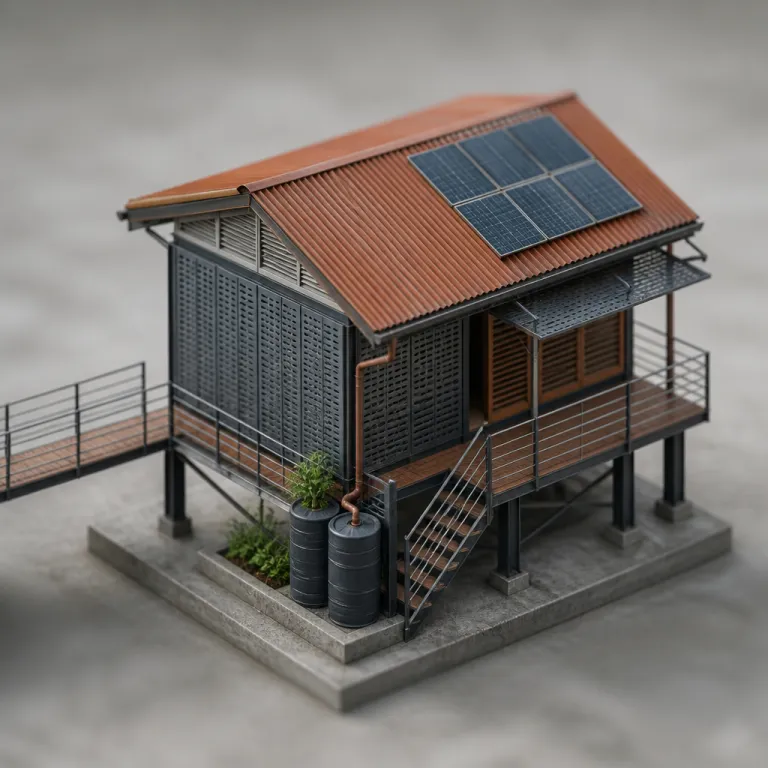
From a safety perspective, the country has invested heavily in monsoon-resilient tourism infrastructure, and the leading eco lodges are at the front of that shift. Elevated structures, floating designs and the use of local materials mean that even during the height of the rainy season, guest areas remain secure and comfortable. Industry guidance from lodge operators and local authorities consistently emphasises that well-sited eco properties are designed for monsoon resilience, provided guests follow on-the-ground safety briefings.
There is also a quieter sustainability story that plays out during the wet season, especially in fragile landscapes such as rice terraces, karst valleys and low-lying wetlands. Lower occupancy between roughly September and November reduces pressure on water resources, waste systems and local trails, allowing ecosystems to recover after the busier dry months. If you plan to visit Vietnam during this period, check regional weather forecasts, pack proper waterproof gear, save local emergency contact numbers and confirm lodge accessibility in advance, then enjoy the knowledge that your timing supports a more balanced, year round tourism model for the country.
FAQ
Is the rainy season a good time to stay in an eco lodge in Vietnam?
The rainy season can be an excellent time to stay in an eco lodge in Vietnam if you value quieter properties, lower rates and dramatic landscapes. In many regions, rain falls in short, intense bursts, leaving long dry windows for activities. Eco lodges are designed for the wet season, with covered spaces, flexible itineraries and staff who know how to work around local weather patterns.
Are eco lodges in Vietnam safe during heavy rainfall and flooding?
Leading eco lodges across the country are built specifically for monsoon resilience, using elevated structures, strong foundations and drainage systems that cope with high rainfall. Many are located on ridges or higher ground, away from the most flood-prone zones. Local regulations and building codes require properties to meet safety standards for storm seasons, and reputable lodges will explain their monsoon procedures during check-in.
What should I pack for the wet season in Vietnam?
For the wet season in Vietnam, pack a lightweight waterproof jacket, quick-drying clothing and sandals or shoes that can handle sudden downpours. A compact umbrella, dry bags for electronics and a spare set of clothes in your daypack are also useful. In cooler northern areas such as Sapa, add a warm layer for evenings, as temperatures can drop after heavy rain.
How does monsoon season affect transport and activities?
Monsoon season can cause occasional delays to flights, trains and road journeys, especially in mountainous regions where landslides are more likely between about July and September. River levels in the Mekong Delta and central Vietnam may rise, changing boat routes but also opening up unique waterways. Most eco lodges monitor local conditions closely and adjust trekking, caving or river excursions to keep guests both safe and comfortable.
When is the best time to visit Vietnam if I want to avoid most of the rain?
If you want to minimise rain, the best time to visit Vietnam is usually during the drier months for your chosen region, which often means roughly November to April in the north and south, and around February to August in much of central Vietnam. However, these patterns vary, and some showers can still occur. Checking regional forecasts and aligning your route with the typical dry windows for each area is more effective than aiming for a single nationwide season.