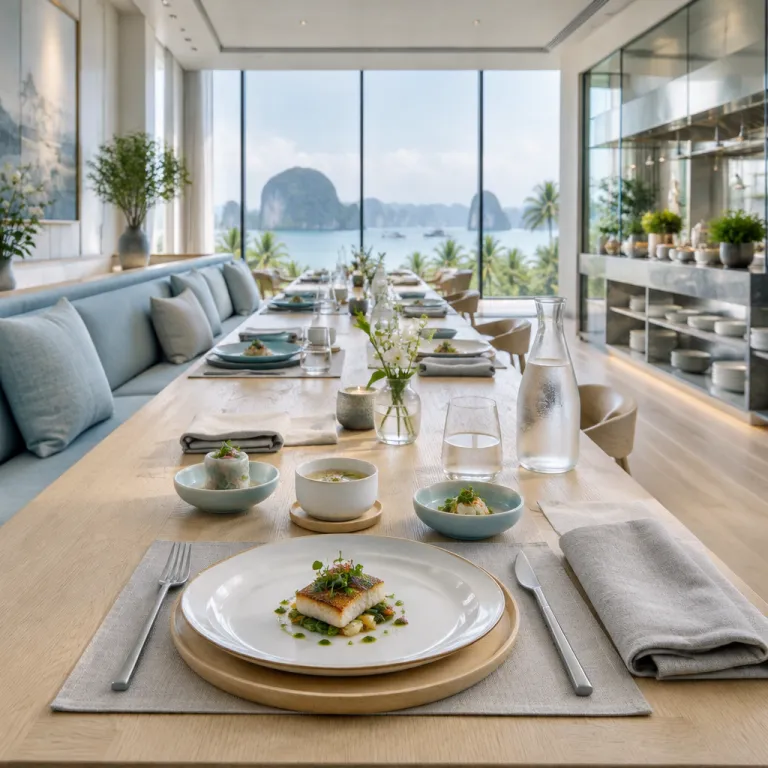
French Vietnamese food as a lens for choosing a luxury stay
French Vietnamese food increasingly shapes how many travellers select their luxury hotel in Vietnam. In high-end properties, this fusion of French technique and Vietnamese cuisine becomes a signature experience that rivals the spa, the view, or even the suite category. Guests quickly realise that carefully crafted Vietnamese dishes can turn a simple stay into a memorable culinary journey anchored in both history and place.
Across Vietnam, refined restaurants inside premium hotels reinterpret classic Vietnamese food while honouring regional traditions from central Vietnam and southern Vietnam. At Sofitel Legend Metropole Hanoi, for instance, a single main course might combine slow-braised beef in red wine with herbs and seasonal vegetables typical of Vietnamese cooking, while Park Hyatt Saigon might pair rice noodles with a delicate butter-based sauce. This approach respects the history of French influence and French colonial heritage while celebrating the creativity of contemporary Vietnamese culinary teams.
For travellers comparing properties, menus focused on French Vietnamese food offer a practical benchmark for quality. When a hotel kitchen treats every dish as a story about Vietnamese people, terroir, and technique, you can expect similar care in service and room standards. Look for restaurants where Vietnamese ingredients such as rice flour, coconut milk, fresh greens, and aromatic broth are handled with the precision usually reserved for classic French cuisine and fine-dining tasting menus.
Culinary storytelling through banh, rice, and refined sauces
Luxury hotel chefs increasingly use traditional banh and rice-based Vietnamese dishes to narrate the relationship between Vietnam and France. A tasting menu might begin with miniature banh xèo served canapé style, each crisp rice flour shell filled with sweet shrimp, bean sprouts, and fine herbs. The same menu could continue with a French-style terrine reimagined using Vietnamese meat cuts, fish sauce, and fragrant Vietnamese culinary spices, much like the charcuterie boards at Hôtel des Arts Saigon.
In these dining rooms, every dish is plated like art yet remains grounded in familiar Vietnamese food memories. You may taste a velvety soup where chicken broth is enriched with coconut milk and a hint of soy sauce, echoing both a classic velouté and a homely Vietnamese soup. Another course might feature grilled beef over broken rice, finished with a red wine reduction and nước mắm-based sauce that reflects deep French influence and the comfort of everyday cơm tấm.
Travellers interested in regional specialities can use curated hotel experiences as a gateway to local street favourites. For example, guests staying along the southern coast often pair a refined hotel dinner with an excursion focused on bánh khọt and related coastal dishes; a helpful planning resource is this refined guide to bánh khọt in Vũng Tàu. By alternating between polished hotel interpretations and authentic neighbourhood stalls, you gain a fuller understanding of how French Vietnamese food lives in both luxury spaces and everyday Vietnamese cooking.
Broths, soups, and noodles in riverside and resort settings
Many travellers first encounter French Vietnamese food through a bowl of soup, often enjoyed at sunrise beside a resort pool or river. In luxury hotels across central Vietnam and the Mekong Delta, phở and other noodle soups are elevated with carefully clarified broth and premium cuts of meat. These Vietnamese dishes remain comforting yet feel perfectly aligned with the expectations of a five-star stay, especially when served with linen napkins and attentive table-side garnish service.
Chefs in these properties pay close attention to the balance between rice noodles, beef or chicken, and the supporting sauce elements. A phở bowl might be served with a side of house-made chili sauce, reduced beef broth, and a small ramekin of soy sauce, echoing the condiment service of a classic French brasserie. Fresh herbs, crisp vegetables, and lime wedges complete the tray, allowing guests to tailor each dish to their preferred intensity and texture.
Riverside retreats in southern Vietnam often build entire breakfast concepts around Vietnamese cuisine and its noodle traditions. At some properties, such as those highlighted in this serene Mekong Delta escape guide, you might enjoy rice noodles with river prawns, coconut milk–enriched broth, and a light French-style herb butter. These menus show how Vietnamese food, when framed through French influence, can feel both deeply local and effortlessly international for guests arriving from Europe, North America, or within Asia.
Sauces, stocks, and the quiet power of French technique
Behind every memorable plate of French Vietnamese food in a luxury hotel lies meticulous work on sauces and stocks. French culinary training emphasises the structure of a sauce, while Vietnamese cooking focuses on balance between fish sauce, soy sauce, aromatics, and fresh herbs. When these philosophies meet, the result is a dish that feels layered yet remarkably clear on the palate, with flavours that build gradually rather than overwhelm.
In many hotel kitchens across Vietnam, chefs simmer large pots of broth built from roasted bones, charred onions, and local spices. This base then supports both Vietnamese dishes such as hủ tiếu and more overtly French plates like beef braised in red wine, which might be served with rice instead of potatoes. Coconut milk, milk, and cream are used with restraint, often to round the edges of a spicy sauce or to give body to a delicate soup without masking the underlying seafood or vegetable notes.
Guests who appreciate technical detail should pay attention to how sauces cling to noodles or meat in each dish. A perfectly emulsified reduction will coat rice noodles without feeling heavy, while a lighter Vietnamese-style dipping sauce will highlight the freshness of vegetables and grilled meat. Observing these nuances helps travellers understand how French colonial history still shapes Vietnamese culinary practice in high-end hotels, from Hanoi to the far reaches of central Vietnam and the resort islands off the southern coast.
From Western palates to Vietnamese people returning home
Luxury hotels in Vietnam now cater simultaneously to Western visitors and Vietnamese people returning from abroad. French Vietnamese food becomes a shared language, allowing different guests to recognise familiar flavours in unfamiliar forms. A single main course can comfort a homesick traveller while intriguing someone tasting Vietnamese cuisine for the first time during a business trip or honeymoon.
Menus are often structured so that each dish can be read through multiple cultural lenses. A plate of grilled beef with red wine jus, rice, and sautéed vegetables might evoke a classic bistro steak for Western diners, while the same dish recalls cơm bò xào for Vietnamese guests. Similarly, banh xèo presented in tasting portions allows everyone to appreciate the interplay of rice flour batter, coconut milk, and fish sauce–based dip without feeling overwhelmed by size or unfamiliar textures.
For travellers using a premium booking platform, it is worth studying how hotels describe their Vietnamese food offerings. Properties that highlight regional Vietnamese dishes, explain their ingredients, and reference both French influence and local traditions usually demonstrate stronger culinary leadership. When a hotel positions French Vietnamese food as a central narrative rather than a side note, you can expect a richer, more coherent dining journey throughout your stay, from breakfast buffets to late-night room service.
Seasonal menus, festive tables, and elevated celebrations
High-end hotels across Vietnam increasingly align their French Vietnamese food concepts with the country’s festive calendar. During major celebrations, chefs design special menus that weave Vietnamese dishes with French classics, creating tables that feel both ceremonial and relaxed. A Tet dinner, for example, might feature braised pork, sticky rice, and pickled vegetables alongside a delicate French-style dessert built on coconut milk and tropical fruit, plated with the finesse of a Parisian pâtisserie.
These seasonal menus often highlight how Vietnamese cuisine shifts between central Vietnam and southern Vietnam as ingredients change. In cooler regions, you may find richer soup preparations, slow-cooked meat, and robust broth, while coastal resorts lean into lighter rice noodles, grilled seafood, and herb-forward sauce pairings. Across all regions, the influence of French colonial history appears in techniques such as confit, pâté making, and careful stock reduction, which many chefs learned in culinary schools in Ho Chi Minh City or through apprenticeships in Europe.
Travellers planning a stay around major holidays should pay attention to how hotels frame their Vietnamese food experiences. Some properties provide detailed previews of festive menus and cultural activities, such as those described in this guide to lunar new year celebrations in luxury hotels. Choosing a property that treats French Vietnamese food as part of the celebration, rather than a generic add-on, ensures that every dish served during your stay feels connected to place and season.
How to read menus and book for the best culinary value
When browsing a luxury hotel booking website focused on Vietnam, the way menus are presented can reveal a lot about culinary priorities. Look for clear references to Vietnamese cuisine, regional Vietnamese dishes, and the specific ingredients used in each main course. Detailed descriptions of rice noodles, broth preparation, and sauce composition usually indicate a kitchen that takes French Vietnamese food seriously and invests in training.
Travellers who care about value should compare how different properties integrate French influence into their Vietnamese cooking. One hotel might offer a set menu where each dish pairs French wine with Vietnamese food, while another focuses on à la carte plates such as banh xèo, grilled meat skewers, and refined soup courses. Consider whether breakfast includes both Western options for international guests and traditional Vietnamese food such as rice, noodles, and savoury banh items that reflect local morning habits.
Before confirming a reservation, it can be helpful to contact the hotel about dietary needs and culinary preferences. Ask how the kitchen handles fish sauce, soy sauce, and coconut milk for guests with sensitivities, and whether vegetables and herbs are sourced locally. A responsive team that can adapt Vietnamese dishes without losing their character usually signals a property where French Vietnamese food is treated as a genuine strength rather than a marketing phrase.
Key figures shaping luxury French Vietnamese food experiences
- According to the Vietnam National Administration of Tourism’s 2019 tourism report, food-related activities account for roughly 20–25 percent of total visitor spending in many urban destinations, which underscores why Vietnamese food and French Vietnamese menus are central to luxury hotel strategies.
- Data shared by the Ho Chi Minh City Department of Tourism in 2020 indicates that high-end restaurants using at least 60 percent locally sourced ingredients, including rice, vegetables, herbs, and meat, report higher guest satisfaction scores than venues relying heavily on imports.
- Industry surveys by the Vietnam Hotel Association between 2018 and 2022 show that properties offering regionally focused Vietnamese dishes from central Vietnam and southern Vietnam achieve stronger repeat booking rates among international Western travellers.
- Market research from Euromonitor International on Vietnam’s foodservice sector highlights that fusion concepts combining French influence with Vietnamese cuisine have grown steadily in major Vietnamese cities, especially within five-star hotels targeting culinary-focused guests.
FAQ about French Vietnamese food in Vietnam’s luxury hotels
How is French Vietnamese food different in luxury hotels compared with street venues?
In luxury hotels, French Vietnamese food usually features the same core ingredients as street dishes but with more elaborate techniques and presentation. Chefs refine broth, sauce, and meat selection, and they often use premium rice, vegetables, and seafood. Street venues prioritise speed and intensity of flavour, while hotels emphasise balance, wine pairing, and service, including temperature control and pacing between courses.
Which regions of Vietnam offer the most interesting French Vietnamese menus?
Hanoi and Ho Chi Minh City lead in sophisticated French Vietnamese food because of their long exposure to French colonial history and international travellers. Central Vietnam adds a distinctive layer with spicier Vietnamese dishes and strong seafood traditions. Southern Vietnam contributes abundant herbs, coconut milk–based sauces, and river fish that appear frequently on resort menus and poolside grills.
What should I look for on a menu to judge culinary quality quickly?
Focus on how clearly the menu describes each dish, including broth style, rice noodles type, and key ingredients such as fish sauce or soy sauce. References to regional Vietnamese cuisine and seasonal vegetables suggest thoughtful sourcing. When a hotel explains the French influence behind certain preparations, it usually indicates a more coherent culinary vision and a chef who can articulate their approach.
Can luxury hotels accommodate dietary restrictions within Vietnamese dishes?
Most high-end properties in Vietnam can adapt Vietnamese food to common dietary needs, such as gluten-free or dairy-free preferences. Chefs may adjust sauces by reducing fish sauce or soy sauce, or replace coconut milk and milk with lighter stocks. It is best to inform the hotel before arrival so the culinary team can plan suitable dishes and suggest specific menu items during check-in.
Is it worth booking a hotel mainly for its French Vietnamese restaurant?
For travellers who value cuisine as much as sightseeing, choosing a hotel known for exceptional French Vietnamese food can be very rewarding. A strong restaurant often signals high overall standards, from breakfast quality to room service. Reading detailed reviews and studying how the property presents its Vietnamese culinary philosophy will help you decide whether the focus on food justifies prioritising that hotel.