Why banh khot Vung Tau belongs on every luxury itinerary
Banh khot Vung Tau is a coastal specialty that elevates a simple Vietnamese fried dish into an elegant, memorable experience. In a city where premium resorts line the shore of Vung Tau, this humble pan of mini savoury pancakes becomes a lens into local culture, seafood traditions, and refined regional taste. When you plan a high end stay, weaving these flavours into your schedule makes the trip feel complete and deeply grounded in place.
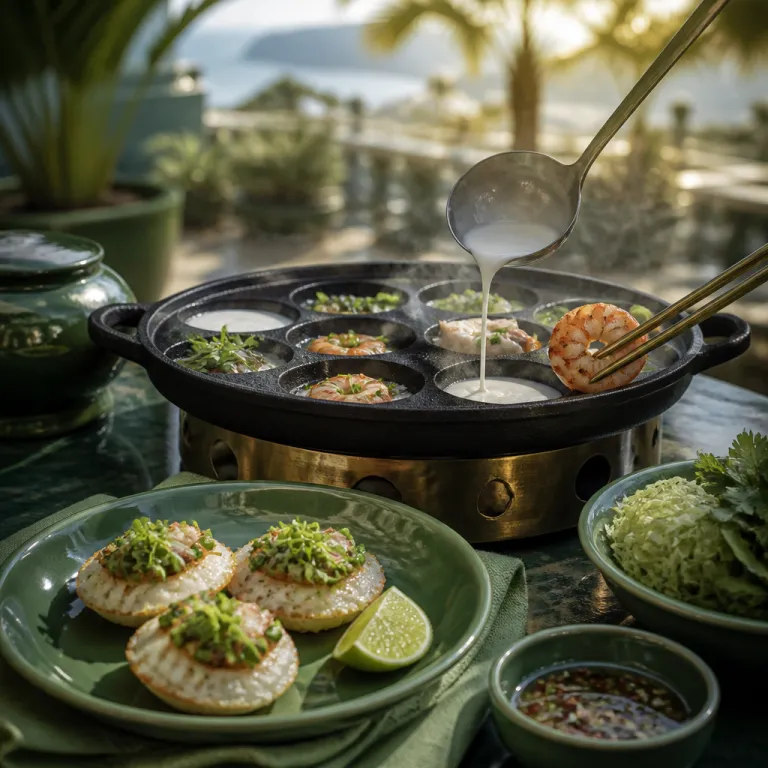
These golden rounds are made from a batter of rice flour and rich coconut milk, then cooked in cast iron molds until the outside turns crisp and lightly fried while the inside stays tender. Each banh is crowned with sweet shrimp or a mix of shrimp squid, brushed with scallion oil, and served on a plate with a full garden of green herbs, lettuce, and pickles that cut through anything slightly oily. Paired with a dipping bowl of balanced fish sauce, the contrast between textures, temperatures, and colours feels pretty sophisticated despite the modest setting.
For travellers used to tasting menus and chef’s tables, banh khot Vung Tau offers a different kind of luxury that still respects high standards. You are tasting a dish that local cooks have refined over decades in the same coastal streets of Vung Tau, using seafood landed only a few kilometres away in the city’s busy harbour. As one concierge at a five star property in Ba Ria – Vung Tau put it, “Guests arrive asking about the spa, but they leave talking about banh khot.” This is exactly the kind of authentic yet polished culinary concept that premium hotel teams now highlight when curating bespoke food focused itineraries.
Curated addresses in Vung Tau for banh khot, from street legends to hotel tables
Choosing the right address for banh khot in Vung Tau matters as much as choosing your suite category. A considered list of venues lets you move smoothly from casual street energy to refined hotel dining rooms, without ever losing the essential Vietnamese flavours of rice flour, coconut milk, shrimp, and herbs. Luxury travellers often combine two or three stops in one day, treating each plate as a different chapter in the same story of this coastal fried dish.
Start with Banh Khot Gốc Vú Sữa on Nguyen Truong To Street, a restaurant renowned among local residents for its consistently crisp banh khot and generous shrimp toppings. Here the banh arrive still sizzling, slightly fried at the edges, with baskets of green herbs and lettuce that you wrap around each piece before dipping it into fish sauce. The setting is simple yet the flavour balance feels great, and many guests staying in premium hotels ask concierges to arrange transfers directly to this address for a focused tasting; travel time from the Back Beach resort area is typically around 10–15 minutes by car in light traffic, according to local drivers.
Then move to Banh Khot Cây Sung on Hoang Hoa Tham Street, a nearly thirty year old eatery where the batter is mixed with a closely guarded ratio of rice flour and coconut milk. The banh here are a little less oily, with a delicate crunch outside and a soft centre inside that pairs beautifully with iced tea or a chilled local beer. When hotel restaurants in Vietnam design menus that are worth a detour, they often study places like Cây Sung and Cô Xuân for inspiration, a trend explored in depth in this guide to Vietnam’s hotel restaurants that stand on their own.
How luxury hotels in Vietnam elevate the banh khot experience
Premium hotels across Vietnam increasingly treat banh khot Vung Tau as a reference point when designing coastal culinary concepts. Chefs borrow the base of rice flour and coconut milk, then reinterpret the dish with refined toppings such as marinated shrimp squid, scallops, or even caviar for special events. This approach allows guests to enjoy the essence of the original banh khot while staying within the comfort of a high end property.
Some luxury resorts in Ba Ria – Vung Tau province offer curated tasting menus where a small plate of banh khot appears between courses of grilled seafood and delicate fried rice. The banh are often cooked at live stations so guests can watch the batter being poured into cast iron molds, see the shrimp and squid placed carefully inside, and smell the scallion oil as it sizzles. Even when the result looks pretty on fine porcelain, chefs remain faithful to the balance of textures and the interplay of fish sauce, herbs, and crisp edges that define the original dish.
Travellers who enjoy serene retreats such as the Mekong Delta hideaway featured in this article about a tranquil escape at Azerai in Can Tho often seek similar calm when they reach Vung Tau. For them, private banh khot tastings arranged on a terrace or by an infinity pool offer a great compromise between street authenticity and resort privacy. One executive chef at a coastal resort describes it as “bringing the soul of Vung Tau’s streets into a setting of linen, candles, and ocean air.” The key is to ask your concierge for a list of trusted local partners who can supply fresh shrimp, squid, and herbs so the flavours remain as vivid as in the city’s most famous eateries.
Designing a gourmet day around banh khot in Vung Tau
A well planned gourmet day in Vung Tau can revolve elegantly around banh khot without feeling repetitive. Start in the morning with a light breakfast at your hotel, then head to a renowned address such as Banh Khot Cô Xuân on 30/4 Street for an early plate while the griddles are still heating. The first batches of banh khot often taste especially great, with a gentle fried aroma and a soft interior inside that has not yet dried out.
As midday approaches, explore the seafront or climb to the lighthouse, allowing time for the previous dish to settle before your next tasting. Many travellers appreciate a break with a simple bowl of fried rice or a salad of green herbs and grilled squid, keeping the palate fresh for another round of banh khot later in the afternoon. Because the average price per plate of banh khot in the city is reported at around 50 000 VND on local menus, you can sample several versions without compromising a luxury budget that is usually focused on premium rooms and spa treatments; visitors are encouraged to confirm current prices on site, as they may change with season and seafood supply.
In the evening, return to a different local restaurant or ask your hotel to arrange a private serving of banh khot Vung Tau on a rooftop or beach deck. Soft lighting, a chilled bottle of wine, and the sound of waves transform this simple Vietnamese street dish into a refined finale to your day. For travellers who value architecture as much as cuisine, pairing such a tasting with a stay in one of Vietnam’s most striking hotels, as profiled in this overview of architecturally remarkable properties, creates a layered and memorable itinerary.
Understanding textures, toppings, and pairings like a culinary insider
To appreciate banh khot Vung Tau at a higher level, pay attention to texture first. A well executed banh khot should be crisp and lightly fried on the outside, never soggy, while remaining moist inside thanks to the balance of rice flour and coconut milk. When you bite through the topping of shrimp or shrimp squid, you should taste sweetness from the seafood, richness from the batter, and freshness from the herbs all in one mouthful.
Look closely at the plate when it arrives; a generous arrangement of green herbs, lettuce, and pickled vegetables signals care and quality. Wrap each banh in a leaf, add a few strands of pickles, then dip it into fish sauce that has been seasoned with chilli, garlic, and sometimes a hint of shrimp powder for extra depth. This ritual may seem simple, yet it is precisely what turns a pretty street snack into a full sensory experience that rivals more formal restaurant courses.
Pairings also matter, especially for guests used to curated wine lists and crafted cocktails. Many local diners choose iced tea or light beer, but premium hotels sometimes suggest sparkling wine or a dry Riesling to cut through any slightly oily notes from the fried batter. Whether you are seated on a plastic stool in central Vung Tau or at a linen covered table in a luxury resort, understanding these details helps you evaluate each version of banh khot with the same discernment you would apply to any fine dining menu.
How to integrate banh khot into a premium Vietnam hotel booking strategy
When planning a luxury trip through Vietnam, treat banh khot Vung Tau as a key reference point for choosing where to stay. Start by mapping your itinerary and noting which nights you will spend in Ba Ria – Vung Tau, then build a list of hotels whose concierges actively recommend local addresses such as Gốc Vú Sữa, Cây Sung, and Cô Xuân. Properties that engage with the city’s culinary scene in this way usually offer stronger overall experiences, from room service menus to curated excursions.
Ask each hotel how they can help you access the best versions of this Vietnamese dish, whether through guided street food tours, private transfers to specific restaurants, or in house interpretations of banh khot on their own menus. Some high end properties collaborate directly with local shrimp suppliers, rice flour producers, and herb farmers to ensure that the ingredients for their banh khot remain as fresh as those used in the city’s most respected eateries. This kind of partnership not only supports great flavour but also contributes to the regional economy, which is an increasingly important criterion for discerning travellers.
Finally, consider timing and crowd levels when you book. Local advice suggests visiting popular banh khot spots on weekdays to avoid long queues, which can be especially valuable if you are coordinating spa appointments, golf tee times, or sunset cruises from your hotel. By aligning your culinary plans with your accommodation choices, you transform banh khot Vung Tau from a casual snack into a central theme that shapes and enriches your entire Vietnamese journey.
Key figures and culinary insights about banh khot in Vung Tau
- The average price per plate of banh khot in Vung Tau is around 50 000 VND, according to typical listings on local restaurant menus, which makes it an accessible experience even within a luxury focused itinerary; travellers should treat this as an indicative range and check current menus on arrival.
- Local tourism information and on the ground surveys suggest there are roughly 20 dedicated banh khot establishments in Vung Tau, giving travellers ample choice when building a personalised list of addresses; numbers may vary as new venues open and others close.
- Banh khot originated in the coastal region around Vung Tau and has evolved over several decades into a signature Vietnamese dish that now appears in both street venues and premium hotel restaurants.
- Traditional recipes rely on a batter made from rice flour and coconut milk, cooked in cast iron molds over open flame stoves, a method that many modern chefs still preserve to maintain authentic texture inside and out.
- Modern variations, including vegan options and fusion toppings, are gaining popularity and generating social media buzz, which in turn increases culinary tourism to Vung Tau throughout the year; visitors can ask hotel concierges for up to date recommendations on these newer interpretations.
FAQ about banh khot Vung Tau for luxury travellers
What is banh khot and why is it linked to Vung Tau ?
What is banh khot? Savory mini pancakes from Vung Tau, topped with shrimp and often squid. The dish developed in the coastal city of Vung Tau, where access to fresh shrimp and squid shaped its signature toppings and flavour profile. Today it is considered a defining local specialty and a must try experience for visitors staying in both mid range and luxury hotels.
Where should I eat banh khot during a premium stay in Vung Tau ?
Where can I eat banh khot in Vung Tau? Popular spots include Gốc Vú Sữa, Cây Sung, and Cô Xuân. Many high end hotels maintain updated lists of trusted addresses and can arrange transfers or guided tastings, allowing you to enjoy these venues efficiently between spa sessions, pool time, or business meetings; opening hours and exact locations should always be reconfirmed with your concierge or a recent local map.
How is banh khot traditionally served and eaten ?
How is banh khot traditionally served? With fresh herbs, lettuce, and dipping fish sauce. Diners usually wrap each piece of banh in lettuce with green herbs, add pickled vegetables, then dip it into a bowl of fish sauce that may be enhanced with chilli, garlic, and a touch of shrimp powder. This method balances the richness of the fried batter and coconut milk with freshness and acidity.
Can I enjoy banh khot if I prefer upscale dining environments ?
Travellers who prefer refined settings can still enjoy banh khot Vung Tau through hotel restaurants and private tastings. Many premium properties either serve their own versions of the dish or collaborate with local specialists to bring authentic banh khot directly to guests. This approach offers the flavours of the street with the comfort, service, and wine pairings expected in a luxury environment.
Is banh khot suitable for travellers with lighter appetites ?
Banh khot is typically served as a shared plate, making it easy to adjust portion sizes for lighter appetites. You can order a small plate to sample the flavours alongside other Vietnamese dishes such as salads, grilled seafood, or simple fried rice. In hotel settings, chefs can often customise the number of pieces per serving, ensuring you enjoy the experience without feeling overly full.
Trustful expert sources
- Vietnam National Administration of Tourism (general visitor statistics and culinary overviews)
- Ba Ria – Vung Tau Department of Tourism (local destination information and food focused campaigns)
- Local restaurant menus and tourism board data from Vung Tau (indicative prices, addresses, and opening patterns, which should always be checked close to your travel dates)