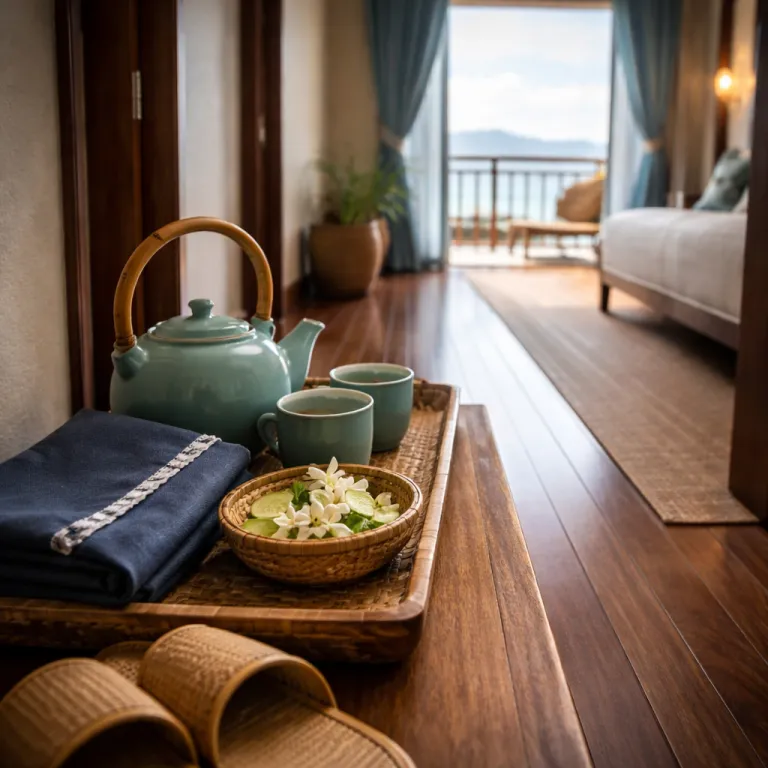
Vietnamese hospitality culture hotels as living expressions of hiếu khách
Vietnamese hospitality culture hotels are built on the idea of hiếu khách, a deep respect for guests. In Vietnam this concept predates any international brand standard, and you feel it the moment a receptionist quietly swaps your welcome drink for hot ginger tea because you arrived soaked from a Hà Nội downpour. That instinctive care is why repeat visitors often say hospitality is the primary reason they return to hotels in Vietnam rather than to a specific luxury resort brand.
Across Hà Nội, Huế and central Vietnam, you see the same pattern in both a city hotel and a coastal retreat. Vietnamese hotel staff are trained in global service language, yet their real power lies in reading unspoken needs and acting before you ask, whether you stay in independent hotels Vietnam properties or in large hotels resorts managed by an international group. This blend of formal training and local intuition is what makes many couples quietly rank these places as Vietnam best options for meaningful stays.
Official tourism strategies now emphasise quality over volume, and vietnamese hospitality culture hotels sit at the centre of that shift. Government policy talks about sustainable growth, but on the ground it translates into staff encouraged to share local stories, regional food and cultural rituals with guests. When you book stay experiences through a curated platform, you are not just choosing a room ; you are choosing how closely you want to stand to the country’s rich heritage and natural beauty.
From Hà Nội to Huế: where global standards meet local instincts
In Hà Nội, the contrast between international protocol and Vietnamese instinct is clearest at the legendary Metropole Hà Nội. The hotel follows precise brand standards, yet the most memorable moments often come when a doorman abandons the script to walk you across the chaotic street, then points you to his favourite bún chả stall rather than the lobby bar. That tension between polished luxury and alley level guidance defines the best vietnamese hospitality culture hotels in the capital.
Business travellers notice this gap between what chains train and what Vietnamese hosts naturally do, especially during repeat stays at the same hotel. A manager might remember your preferred meeting room temperature or quietly arrange phở for a late working session, even when it is not on the set menu, because genuine warmth and cultural integration matter more than rigid procedure. As one common explanation puts it plainly, “What is unique about Vietnamese hotel hospitality? Genuine warmth and cultural integration.”
Heritage properties in Huế and along central Vietnam’s coast extend this approach through architecture and storytelling. A riverside resort may be part of a global group, yet the evening programme is led by local musicians, áo dài tailors and food artisans who turn the lobby into a living salon. For a deeper dive into how this plays out beyond the lobby, read this analysis of what Vietnamese hospitality gets right that international hotel chains still miss on our dedicated guide.
Coastal retreats: Đà Nẵng, Sơn Trà peninsula and the Anam constellation
Along the Đà Nẵng shoreline and up on the Sơn Trà peninsula, vietnamese hospitality culture hotels turn the beach into a stage for quiet, attentive service. A luxury resort here might offer private pools and dramatic ocean views, yet the memory that stays is the night a staff member set up a surprise lantern release because you mentioned an anniversary in passing. Couples who return to these hotels resorts often say the coastline is beautiful, but the feeling of being remembered is what makes Đà Nẵng their best romantic base.
On the Sơn Trà peninsula, an award winning property designed by Bill Bensley shows how theatrical design can still serve local stories. Behind the dramatic arches and bold colours, the team organises small cultural walks to nearby fishing communities, where guests learn how local families balance tourism with tradition, and how hiếu khách shapes everyday life. These experiences turn a standard beach retreat into something closer to a cultural residency, especially for travellers who book stay packages that include time with residents rather than only spa sessions.
Further down the south central coast, the Anam Cam Ranh and its sister property the Anam Mũi Né demonstrate how a Vietnamese owned group can scale this philosophy. Both resorts sit on stretches of natural beauty, yet they lean heavily into vietnamese hospitality culture hotels values through staff storytelling, regional recipes and quiet gestures like handwritten notes in your room. The Anam brand, including the original Anam Cam Ranh and the later Anam Mũi Né, has become a reference point for couples seeking Vietnam best balance of nostalgic charm, beach relaxation and attentive but unpretentious service.
Islands, heritage and the quiet power of food led hospitality
On Phú Quốc and Côn Đảo, vietnamese hospitality culture hotels use isolation to slow guests down and open space for connection. A luxury resort on Phú Quốc island might offer overwater villas, yet the most intimate moment is often a simple breakfast of bún or bánh canh cooked by a local auntie who has worked there since opening. When you book stay options on Phú Quốc or Côn Đảo, look for properties that highlight vietnamese owned partnerships with nearby fishing villages rather than only imported champagne labels.
Côn Đảo’s best hotels resorts lean into the archipelago’s layered history, guiding guests through former prison sites by day and then softening the experience with family style dinners at night. Staff share stories of relatives who lived through those decades, turning abstract history into something personal and present, and that emotional honesty is a hallmark of vietnamese hospitality culture hotels in remote locations. Many couples leave saying the islands’ natural beauty is striking, but the conversations with staff are what linger longest.
Back on the mainland, heritage stays in Huế and Hội An use food as their most effective cultural bridge. Menus go beyond generic “Vietnamese” dishes to highlight regional specialities such as bánh bèo, bánh nậm or local variations of phở, often cooked by teams whose families have prepared the same recipes for generations. For a deeper look at how street food and hotel dining intersect across Vietnam, our feature on why the phở stall often outperforms the hotel restaurant offers a candid perspective on where to eat and why it matters.
How to choose vietnamese hospitality culture hotels for a romantic stay
For couples planning a retreat, the first step is deciding how close you want to stand to everyday Vietnamese life. A city hotel in Hà Nội or Huế will plug you directly into markets, cafés and street food, while a beach resort in Đà Nẵng, Phú Quốc or Cam Ranh offers more privacy but slightly less alley level immersion. The most rewarding itineraries often mix both, pairing two or three nights in an urban hotel with a longer retreat at a coastal property.
When comparing hotels Vietnam wide, look beyond star ratings and focus on how each place talks about its people. Properties that highlight long serving staff, local training programmes and vietnamese owned leadership structures usually deliver more authentic expressions of hiếu khách than those that only promote hardware or design. Ask specific questions before you book stay dates, such as whether the hotel organises visits to ethnic villages in the highlands or supports artisans from central Vietnam and the south central coast.
Business travellers should pay attention to the small ways vietnamese hospitality culture hotels adapt to their rhythms. Late check out flexibility, quiet corners for calls and staff who remember your preferred coffee style can matter more than another marble lobby, especially on repeat trips across Vietnam. Over time, these details build a sense of being known, which is ultimately why so many guests return to the same hotel, the same resort and the same team rather than chasing a new address every year.
FAQ
Is tipping expected in Vietnamese luxury hotels ?
Tipping is appreciated but not mandatory. In vietnamese hospitality culture hotels, staff salaries are not built entirely around tips, yet a small amount for exceptional service is always welcome. Many guests choose to leave a modest envelope at reception for the team rather than tipping only one person.
What is unique about Vietnamese hotel hospitality compared with other countries ?
The defining feature is the blend of hiếu khách, or guest reverence, with modern service training. Staff in hotels Vietnam wide are encouraged to anticipate needs quietly, often going beyond scripted standards to create personal moments. This combination of genuine warmth and cultural integration is what many travellers remember most.
How can I experience more local culture during a luxury stay ?
Choose vietnamese hospitality culture hotels that work with local artisans, guides and food vendors rather than keeping everything in house. Ask about visits to nearby markets, craft villages or community projects, especially in central Vietnam and the south central coast. Joining a cooking class focused on regional dishes such as bánh bèo or bánh nậm is another effective way to connect.
Are Vietnamese owned hotels better for cultural immersion ?
Vietnamese owned properties often have more freedom to express local traditions, family stories and regional design. That does not mean international brands cannot deliver depth, but you should look for hotels resorts where the leadership highlights long term local staff and community ties. Reading guest reviews that mention specific team members by name is a useful indicator.
Should I stay in one place or combine several regions on my trip ?
Combining regions gives you a fuller sense of how vietnamese hospitality culture hotels adapt to different landscapes and histories. A mix of Hà Nội or Huế with a beach retreat in Đà Nẵng, Phú Quốc, Côn Đảo or Cam Ranh works well for many couples. This approach lets you experience both urban energy and coastal calm without sacrificing comfort or service quality.