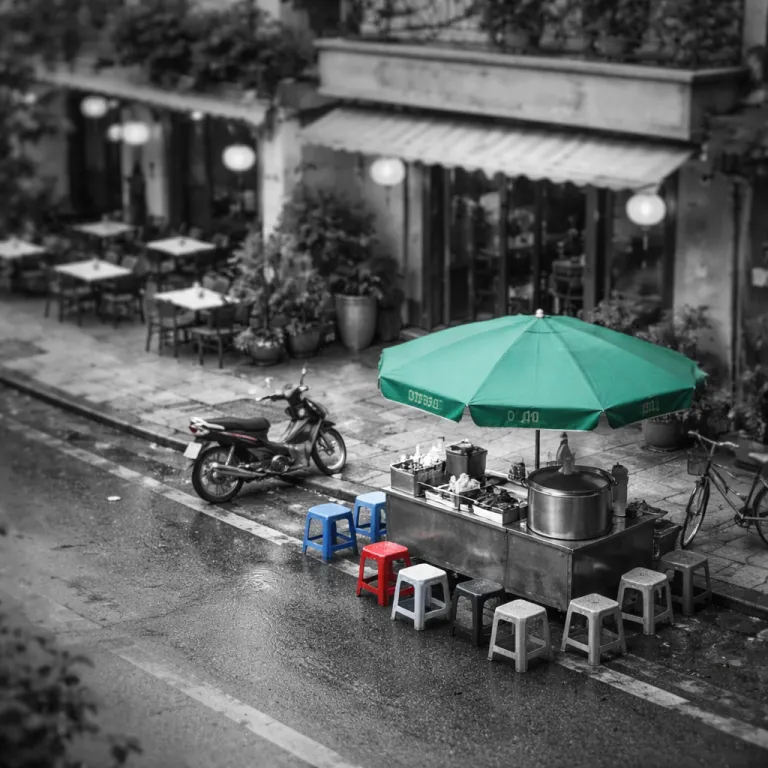
Why the street keeps beating the hotel restaurant
In Vietnam, the most memorable food rarely comes with white tablecloths. Step outside almost any luxury hotel in Hà Nội or Hồ Chí Minh City and the first phở stall or bún chả grill on the street will usually outshine the in house restaurant for flavour and energy. This is the starting point for understanding why vietnam street food luxury dining is reshaping how premium properties think about guests and about the city outside their doors.
Hotel kitchens were built around safety, predictability and international dishes, while Vietnamese food culture thrives on chaos, charcoal and tiny plastic stools. For years, many five star restaurants tried to compete with nearby food stalls by serving toned down versions of Vietnamese dishes, and the result was often the worst of both worlds. Guests could sense that the best food, the real Vietnamese cuisine, was happening on the hanoi street corner, not under the chandeliers inside.
Walk through the Old Quarter in Việt Nam Hà Nội and you feel this contrast in every district. A line of locals at a bún chả stand tells you instantly where the best dish is, while the hotel dining room two blocks away sits half empty at lunch. The same pattern plays out in Hồ Chí Minh City, where District 1 towers over alleys packed with rice plates, grilled pork skewers and banh cuốn steamers, and where vietnam street food luxury dining now means knowing which alley to send your guests to first.
There is also an economic truth that every serious general manager in Vietnam understands. A bowl of phở on the street might cost less than a coffee in the lobby, yet it delivers a story guests will retell long after their vietnam tours end. When travellers compare Vietnam with neighbouring Southeast Asia destinations such as Thailand or a combined Vietnam Cambodia itinerary that includes Angkor Wat, they consistently rate Vietnamese dishes from food stalls as among the best in the region.
For a luxury hotel, ignoring this is no longer an option. The properties that still treat street food as competition rather than as a partner are leaving both revenue and reputation on the table. The new playbook for vietnam street food luxury dining starts by accepting that the city, not the hotel, is the real restaurant, and that the role of the property is to curate, translate and elevate that experience for guests who want both comfort and authenticity.
From alley to elevator: hotels that curate the street
The smartest luxury hotels in Vietnam now act as culinary matchmakers between guests and the street. Instead of pushing a generic all day restaurant, they design structured food tours that start in the lobby and spill into the surrounding district, then return to the bar for a final glass of wine or a refined Vietnamese dish. This is vietnam street food luxury dining as concierge service rather than as a closed kitchen.
In Hồ Chí Minh City, some high rise properties in District 1 have built partnerships with specific food stalls, sending guests to a single bún chả vendor for grilled pork and rice noodles, or to a family run banh cuốn counter for delicate steamed rice rolls. The hotel car drops you at the edge of the street, the guide walks you through the smoke and scooters, and suddenly the line between street food and fine dining feels very thin. When you return upstairs, the bartender might serve a small tasting of fish sauce infused nuts or a mini banh inspired canapé to connect the alley with the skyline.
In central Vietnam, riverside resorts near Hội An and Huế are experimenting with curated food tours that combine market visits, street tastings and chef led classes. Guests might start at dawn with a local guide, slurping phở at a stall by the river, then move through several Vietnamese food stops before returning to the hotel for a plated interpretation of those same dishes. Properties in the Mekong Delta, such as those highlighted in serene escape features about luxury stays in Cần Thơ, use similar ideas to link floating market food with riverfront fine dining experiences.
Even in Hà Nội, where the city itself already feels like one long food tour, premium hotels are formalising what used to be casual advice from reception. Instead of a vague map, guests receive a structured Hanoi street food itinerary that lists specific restaurants, exact alleys and clear travel tips on how to cross the road or order bún chả without overthinking it. Some properties now offer small group tours led by staff who grew up in the city, turning their own favourite rice dishes and pork skewers into part of the official guest experience.
For solo travellers, this hybrid model solves a familiar dilemma. You can eat like a local at food stalls that would be intimidating alone, yet you still return to a calm room, a proper shower and a bed that justifies the nightly rate. Vietnam street food luxury dining, when curated this way, becomes less about price and more about choreography, with the hotel orchestrating a sequence of dishes, streets and stories that feel both safe and thrilling.
When the street walks into the lobby: luxury kitchens go local
The next evolution is not just sending guests out, but bringing the street in. Across Việt Nam, a handful of chefs are treating vietnam street food luxury dining as a serious culinary language, not as a marketing slogan for tourists. They are taking the flavours of phở, bún, banh cuốn and bún chả and rebuilding them with premium ingredients, state of the art kitchens and the discipline of fine dining.
In Hồ Chí Minh City, Chef Peter Cuong Franklin at Anan Saigon has become the reference point for this movement. His tasting menus move from north to south, reimagining Vietnamese dishes that began on the street into plates that belong in any global restaurant ranking, and his work shows hotel owners what is possible when you respect the original dish. Nearby, Chef Sakal Phoeung at Livannah Sips and Bites crafts global street food into refined dishes, proving that a city long known for cheap eats can also sustain serious fine dining built on those same streets.
High above the traffic in Landmark 81, Chef Lê Trung has taken the idea even further by introducing luxury versions of classic street food at Vinpearl. A bowl of phở here can cost more than one hundred and seventy United States dollars, yet the logic is clear when you look at the ingredients, the view and the level of service. This is vietnam street food luxury dining stripped of nostalgia and priced like any other world class tasting menu, and it forces both travellers and hoteliers to ask what they really value in a dish.
These chefs share a common toolkit. They use fusion of traditional and modern techniques, work closely with local farmers for herbs and rice, and rely on advanced equipment to control textures that street food stalls manage with instinct and repetition. Their goal is not to replace the original food stalls in Hồ Chí Minh City or Hà Nội, but to show that Vietnamese cuisine deserves a seat at the global fine dining table without losing its street roots.
For luxury hotels, the lesson is straightforward. Instead of offering generic international restaurants, they can collaborate with chefs who understand both Vietnamese food culture and the expectations of high end travellers, or they can train their own teams to respect the logic of the street. Vietnam street food luxury dining, when executed with this level of seriousness, becomes a signature amenity that differentiates a property as clearly as any spa or pool.
Designing a stay around the bowl, not the bed
For travellers using a premium booking platform, the question is no longer whether a hotel has a restaurant. The real question is how that property connects you to the best food in the city, from the nearest phở stall to the most ambitious fine dining room. Vietnam street food luxury dining is now a filter you can apply before you even choose a room category.
On myvietnamstay.com, we look at how hotels integrate gastronomy into the entire guest journey, not just into the dinner slot. A strong property in Hà Nội might combine a morning food tour through the Old Quarter, an afternoon class on fish sauce and rice varieties, and an evening menu that references specific dishes from those same streets. In Hồ Chí Minh City, we prioritise hotels in District 1 and District 3 that offer credible recommendations for bún chả, banh cuốn and other Vietnamese dishes within walking distance, rather than hiding guests behind glass.
Design also matters. A hotel that understands vietnam street food luxury dining will often echo the energy of the city in its public spaces, while still offering calm rooms for recovery after long tours. If you care about how interiors support this kind of stay, you can look at detailed guides to luxury hotel design in Vietnam that explain how lighting, materials and layout influence whether you feel like going out for street food or staying in for room service. The best properties use architecture and service to make the decision to step into the street feel effortless, even late at night.
For solo explorers, a few practical travel tips help turn this philosophy into reality. Choose hotels that mention specific restaurants, not just generic references to Vietnamese cuisine, and look for packages that include guided food tours rather than only spa credits. When planning a Vietnam Cambodia itinerary that might also include Angkor Wat, allocate extra nights in Hà Nội or Hồ Chí Minh City specifically for eating, because these cities reward slow, repeated visits to the same food stalls and restaurants.
Ultimately, the most successful luxury stays in Vietnam are now built around the bowl, not the bed. You book the room that gives you the best access to the street, the most informed concierge for food, and the most thoughtful bridge between plastic stool and polished stemware. Vietnam street food luxury dining is not a side activity anymore ; it is the organising principle for how discerning travellers choose where to sleep, where to eat and how to remember the city.
Key figures shaping Vietnam’s luxury street food movement
- Michelin Guide Vietnam now recognises both street food and fine dining venues in major cities, signalling that Vietnamese cuisine is evaluated on the same scale from stall to skyline (Michelin Guide Vietnam, latest edition).
- Anan Saigon in Hồ Chí Minh City holds one Michelin star, confirming that elevated interpretations of Vietnamese street dishes can meet global fine dining standards while still referencing their alleyway origins (Anan Saigon official data).
- A luxury bowl of phở at Vinpearl Landmark 81 has been reported at around 170 United States dollars, illustrating how far vietnam street food luxury dining can stretch in price when premium ingredients and panoramic views are involved (Tasting Table report).
- Farm to table sourcing in Đà Lạt and central Vietnam is projected to become a mainstream trend within the next few years, which will further tighten the link between local farmers, hotel restaurants and street inspired menus in resort destinations (regional hospitality forecasts).
- Guided food tours are now among the most booked activities for visitors to Hà Nội and Hồ Chí Minh City, showing that structured access to street food has become a core expectation for high end travellers, not just a niche interest (Vietnam National Administration of Tourism data).