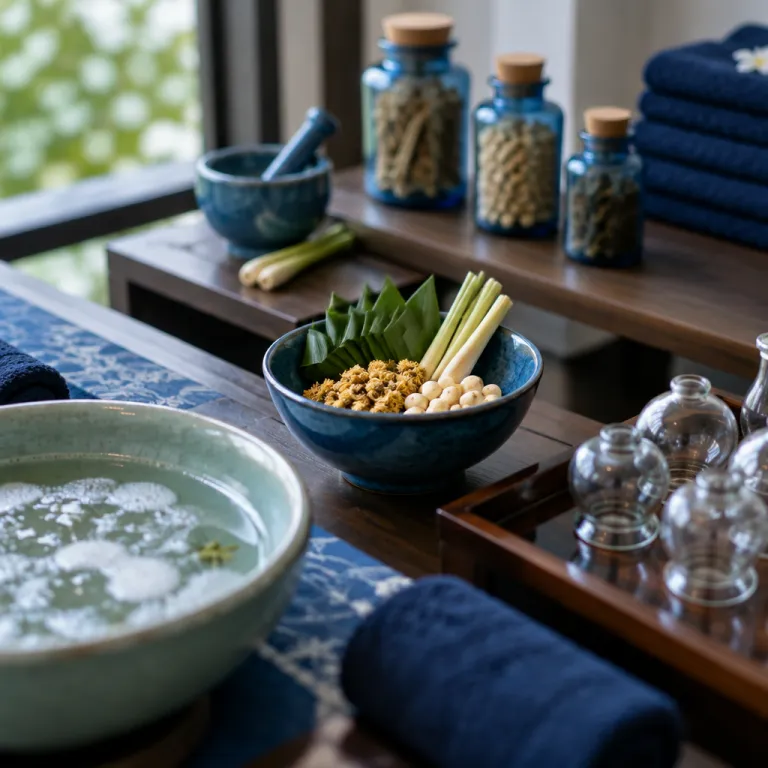
Vietnam spa traditional medicine as a luxury wellness compass
Vietnam spa traditional medicine is reshaping how luxury travelers think about wellness. In high end spa resorts from Hà Nội to Phú Quốc, couples now move beyond a simple massage and step into a curated journey rooted in Vietnamese traditional healing traditions. This shift matters for any couple planning a romantic stay in Vietnam, because the right spa can quietly become the anchor of your entire trip.
At the core of this movement is thuốc nam, the strand of herbal medicine that belongs specifically to Việt Nam rather than imported Chinese formulas. In practice, that means your treatment may feature fresh lemongrass, ginger, local camphor, and forest leaves from Red Dao communities instead of generic aromatherapy oils. When a spa team talks about traditional medicine in a Vietnamese spa, ask how they source their herbal ingredients and whether a practitioner still oversees the program.
For couples, the most rewarding experiences balance clinical knowledge with sensual relaxation and a strong sense of place. A thoughtful guide at reception will not just hand you a spa menu, but will ask about sleep, digestion, and stress before suggesting any treatments. That conversation is your first test of whether the property treats Vietnam’s indigenous spa medicine as a living wellness culture or as a marketing phrase sprinkled between yoga and foot massage sessions.
Understanding Vietnamese herbal culture before you book
To read a spa menu in Việt Nam with confidence, it helps to understand the culture behind the words. Vietnamese traditional medicine blends Taoist concepts, local animist beliefs, and centuries of empirical herbal practice shaped by climate from Hà Nội’s cool winters to Hồ Chí Minh City’s humid heat. When a spa claims to use herbal medicine, you want to see that complexity reflected in both the treatments and the consultation process.
In the northern mountains, Red Dao communities are known for their deep knowledge of forest plants and for the red tinted herbal baths that follow childbirth or heavy farm work. Ethnographic work by Vietnamese researchers and NGOs has documented how these baths use dozens of wild leaves to support circulation, joint comfort, and postpartum recovery. Some of the best spas now collaborate with Red Dao healers to create shared herbal baths for couples, using leaves that support circulation and body warmth after long travel days. When you see “Red Dao herbal baths” on a spa menu, ask whether the herbs are actually sourced from a Red Dao village or simply inspired by the name.
In Hà Nội’s Old Quarter, the street named Lãn Ông has long been the capital of herbal medicine in Việt Nam. Historical records from the French colonial period and local trade archives describe it as a hub for apothecaries and traditional pharmacies, and shelves stacked with roots, barks, and dried flowers still supply many urban spas that take Vietnamese medical heritage seriously. If your hotel is nearby, a short walk with a spa therapist can become an informal guide to how culture Vietnam has always linked daily life, wellness, and traditional Vietnamese remedies.
What really happens in a vietnam spa treatment room
Once you step into the treatment room, the difference between a generic massage and a Vietnam inspired therapeutic ritual becomes clear. A standard massage Vietnam session might rely on Swedish or Thai techniques with imported oils, while a traditional Vietnamese treatment will weave in cupping, herbal compresses, and bamboo tools. For couples, these details change the energy of a shared session, turning a routine spa visit into a story you will still talk about on the flight home.
Many of the best spas begin with a warm foot bath infused with ginger, salt, and local herbs, followed by a short foot massage that stimulates circulation and calms the nervous system. The therapist may then apply heated herbal compresses along the spine and legs, using a blend tailored to your body type and current concerns. When the spa culture is rooted in wellness rather than décor, each step is explained in clear English so you understand how the herbal treatment supports your body rather than just enjoying the scent.
Expect to see cupping, known locally as giác hơi, offered either as a stand alone treatment or as an add on to a full body massage. In a luxury setting, glass cups are usually used with controlled suction, leaving temporary red marks that signal increased blood flow rather than injury. Couples sometimes hesitate at the visual impact, but when practiced by a trained therapist within a Vietnamese traditional framework, cupping can be one of the most effective healing traditions for jet lag and desk bound shoulders.
From herbal steaming to bamboo massage for two
Beyond the massage table, Vietnam spa traditional medicine often appears in the form of herbal steaming rituals. You might sit together in a private steam room scented with eucalyptus, pomelo peel, and lemongrass, a combination long used in Vietnamese homes when someone catches a cold. In a five star spa, this simple village practice is elevated with temperature control, cold towels, and quiet guidance that keeps the experience firmly in the realm of relaxation rather than endurance.
Bamboo massage is another signature of traditional Vietnamese inspired treatments, where warmed bamboo sticks glide along the body to release deep tension. When done well, the therapist alternates between hands and bamboo, using the tool not as a gimmick but as an extension of skilled touch. Couples often find that a synchronized bamboo massage in a shared room creates a rhythm that feels almost like yoga for two, especially when paired with slow breathing cues.
Some spa resorts now integrate short guided yoga or stretching sessions before or after treatments, aligning movement with herbal medicine principles. A therapist might suggest gentle twists to support liver function after a herbal detox treatment, or restorative poses to enhance sleep after a long haul flight into Hồ Chí Minh City. When you see yoga on the schedule, ask how it connects to the broader wellness culture of the property rather than treating it as a separate fitness activity.
How luxury hotels adapt traditional medicine without losing its soul
Not every five star spa handles Vietnam spa traditional medicine with the same respect. Some properties simply add lemongrass oil to a standard massage and label it “Vietnamese traditional”, while others build full programs with local practitioners, herbal sourcing trips, and staff training rooted in culture Vietnam. As a traveler, your job is to read between the lines of the spa menu and ask the questions that reveal which approach you are booking.
Genuine integration usually starts with consultation, not with a list of treatments arranged by duration and price. The best spas in Hà Nội, Hội An, Phú Quốc, and Hồ Chí Minh City will ask about your sleep, digestion, stress levels, and travel schedule before suggesting any treatment. When a therapist references Vietnamese traditional concepts such as hot and cold imbalance or organ meridians, they should be able to explain them in plain English without mystification.
Look for signs that the spa culture extends beyond the treatment rooms into the hotel’s daily rhythm. Morning herbal teas in the lobby, in room bath salts using local ingredients, and staff who can guide you to a neighborhood herbal shop all signal a deeper commitment. Properties that design multi day wellness journeys for couples often combine herbal baths, body treatments, yoga, and mindful activities like hotel organized cycling through rice paddies, creating a narrative that links movement, landscape, and traditional medicine.
Choosing spa resorts that go beyond the menu
When comparing spa resorts online, pay attention to how they talk about Vietnam spa traditional medicine in their descriptions. A property that simply lists “herbal massage” or “Red Dao baths” without context may be leaning on buzzwords, while one that explains sourcing, practitioner partnerships, and wellness culture is more likely to deliver. Cross check the spa section with the hotel’s broader wellness positioning to see whether the story holds together.
Some of the most compelling properties in Việt Nam now frame themselves as wellness retreats that go beyond the spa menu, integrating sleep programs, nutrition, and movement into longer stays. For deeper research on this style of property, explore our dedicated guide to wellness journeys for luxury travelers in Asia, where Vietnam features prominently. When a hotel positions itself this way, couples can expect more thoughtful sequencing of treatments, such as starting with detoxifying herbal baths before moving into nurturing body work.
Transparency is your best filter in a crowded market of spas competing for attention. If a hotel can clearly explain why a particular herbal treatment is scheduled on day one of your stay and how it supports your body’s adjustment to climate and time zone, you are in good hands. When in doubt, send an email before booking and ask how their Vietnamese traditional medicine program was designed and who oversees it.
Regional spa culture: from Hà Nội alleys to Phú Quốc shores
Vietnam spa traditional medicine looks and feels different as you move from north to south. In Hà Nội, the experience is often shaped by the city’s long history of herbal trade and by cooler seasons that favor warming treatments. You will find compact urban spas tucked above cafés, where a foot massage and herbal steam can reset your body between street food stops.
Near Lãn Ông Street, some small spas work directly with herbalists who have supplied families for generations, blending dried leaves into custom soaks and compresses. A therapist might suggest a red tinted soak for circulation, echoing Red Dao herbal baths but adapted for city life. When a spa in Hà Nội references Red Dao knowledge, ask whether they have actually visited those northern communities or are simply borrowing the name for atmosphere.
On Phú Quốc Island, the tone shifts toward ocean air, coconut groves, and long horizons that invite slower days. Here, spa resorts often combine Vietnam spa traditional medicine with seaside wellness, using local ingredients like pepper, sea salt, and coconut oil in body treatments. Couples can move from herbal steam rooms to open air relaxation decks, letting the line between treatment and landscape blur in the best possible way.
Saigon energy and central coast calm
In Hồ Chí Minh City, often still called Sài Gòn or simply Minh City in casual speech, spa culture reflects the city’s relentless pace. Urban spas cater to business travelers and weekend couples with efficient yet thoughtful treatments that blend traditional Vietnamese techniques with modern wellness. A ninety minute session might combine herbal compresses, deep tissue massage Vietnam style, and a focused foot massage to counter long hours in meetings or on flights.
Along the central coast in Đà Nẵng and Hội An, resorts lean into slower rhythms and multi day wellness journeys. Here, Vietnam spa traditional medicine often appears in programs that pair yoga at sunrise with herbal medicine workshops and guided breathing by the river. Couples can book packages that include shared herbal baths, synchronized body treatments, and quiet time in tea lounges that celebrate both local culture and contemporary design.
Wherever you go, the most memorable experiences come when spa teams act as cultural interpreters rather than just service providers. A therapist who explains why a particular herbal treatment suits the humid air of Hội An or the cooler evenings of Hà Nội gives you a deeper connection to place. Over time, you start to see how wellness culture in Việt Nam is not a trend but a continuation of everyday practices adapted to five star settings.
Designing a couples journey with vietnam spa traditional medicine
For couples planning a romantic escape, Vietnam spa traditional medicine can be the framework that shapes your entire itinerary. Instead of booking random treatments, think in terms of a three or four day arc that supports both body and relationship. Start by asking each other what you actually need from this trip, whether it is deep rest, reconnection, or a reset after a demanding season at work.
On day one, prioritize grounding treatments that help your body arrive in Việt Nam’s climate and time zone. A shared herbal bath followed by a gentle full body massage using local oils can ease travel fatigue without overwhelming your system. Many spa resorts will customize the herbal blend for your bath, drawing on Vietnamese traditional medicine principles to choose warming or cooling ingredients based on your needs.
Day two is ideal for more targeted treatments rooted in traditional medicine, such as cupping, bamboo massage, or focused work on digestion and sleep. You might schedule separate sessions tailored to individual concerns, then reunite in a relaxation lounge or for a quiet tea ceremony. By day three, consider integrating yoga, meditation, or even a guided walk through local markets to see how herbal medicine lives in everyday culture Vietnam.
When a spa stay becomes a wellness retreat for two
Some properties in Việt Nam now design full wellness retreats where Vietnamese spa medicine is the backbone of the experience. These programs often include daily treatments, movement classes, and nutritional guidance that draw on both local ingredients and global wellness research. For couples, this can feel less like a holiday add on and more like a shared reset with long term impact.
If you are considering this style of stay, look for hotels that articulate a clear philosophy rather than just listing many treatments. Our in depth review of wellness retreats in Vietnam that go beyond the spa menu highlights properties where Vietnamese traditional medicine is integrated thoughtfully. In these places, a practitioner might adjust your herbal treatments mid stay based on how your body responds, mirroring how community healers have always worked.
As you plan, remember that the most luxurious element is often time, not marble or gold leaf. Build in unscheduled hours between treatments so your body can absorb the effects of herbal medicine, massage, and baths without rushing to the next activity. When you leave Việt Nam carrying not just memories of beautiful spas but also a felt sense of its wellness culture, the trip continues to work quietly long after your flight lands.
FAQ
How is Vietnamese traditional medicine used in luxury spas ?
Before booking, confirm that the spa’s use of Vietnamese traditional medicine goes beyond marketing. Ask who designed the program, whether a licensed or academically trained practitioner was involved, and how therapists are certified. Request examples of how local herbs, cupping, or bamboo tools are adapted into specific treatments rather than offered as generic add ons.
Are Red Dao herbal baths suitable for couples ?
Red Dao inspired herbal baths can be very suitable for couples when adapted for a spa setting. Many resorts offer side by side wooden tubs or large stone baths where two guests can soak together in warm, fragrant water. Always check the temperature and duration with your therapist, especially if either of you has cardiovascular concerns or is sensitive to heat.
What should I ask before booking a vietnam spa traditional medicine package ?
Before booking, ask who designed the traditional medicine program and whether a qualified practitioner is involved. Request details on how herbs are sourced, how treatments are customized, and what a typical consultation includes. It is also wise to share any medical conditions or medications in advance so the spa can adjust treatments safely.
Can I combine yoga and herbal treatments during a short stay ?
Combining yoga and herbal treatments works well even during a short two or three night stay. Many spa resorts schedule morning yoga or stretching sessions that prepare the body for later massage and baths. For best results, avoid heavy meals before sessions and allow time to rest between activities so your nervous system can fully benefit.
Is cupping safe in a hotel spa environment ?
Cupping is generally safe in reputable hotel spas that follow hygiene protocols and employ trained therapists. You should expect a clear explanation of the process, possible red marks, and any contraindications such as certain skin conditions or blood disorders. If you feel unsure, start with a few cups on the back rather than a full treatment and assess how your body responds.