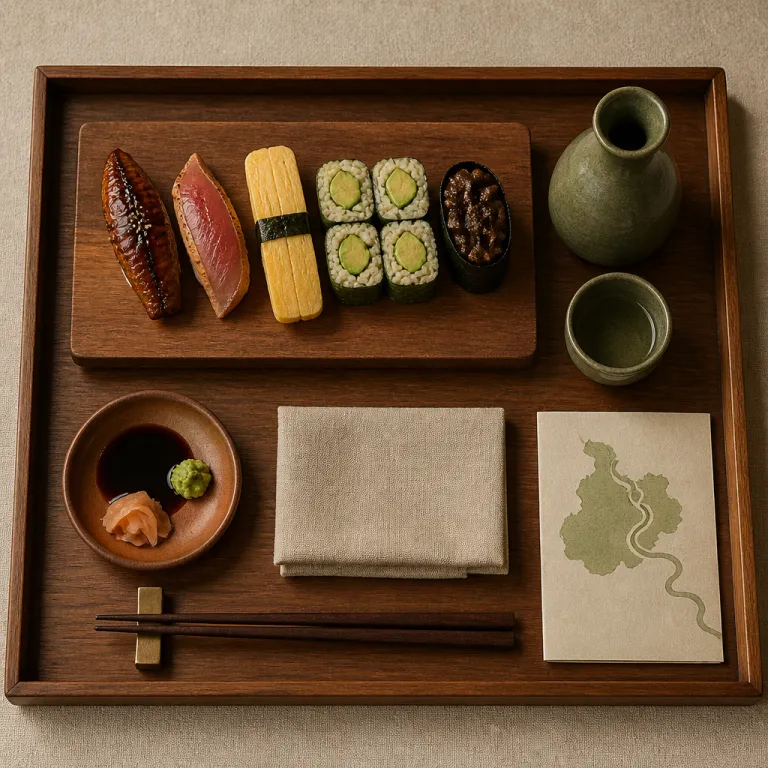
How luxury hotels in Ho Chi Minh City curate elevated sushi experiences
Luxury travelers searching for sushi HCM increasingly expect more than a simple plate of raw fish. In Ho Chi Minh City, five star properties now treat Japanese dining as a signature experience, weaving sushi, sashimi, and omakase into their wider fine dining strategy. This shift means your hotel choice can directly shape the sushi experience you enjoy in the city.
High end hotels in Ho Chi Minh City work closely with Japanese ingredient importers and trusted local seafood suppliers to secure good quality tuna, salmon, and shellfish. Many chefs insist that key ingredients such as uni, ikura, and premium rice varieties arrive from Japan several times each week, while line caught fish from Vietnamese waters completes the menu. This blend of imported and local ingredients allows sushi restaurants inside hotels to offer both authentic sushi and creative Saigon style interpretations.
For guests, this careful sourcing translates into consistent quality across multiple dishes, from classic nigiri to contemporary rolls. When you browse a luxury hotel booking website focused on Ho Chi Minh City, pay attention to how clearly it describes the Japanese dining program and the chef’s background. Properties that highlight omakase counters, sushi joints with limited seating, and partnerships with Japan based suppliers usually deliver a more memorable sushi experience; one recent guest at a District 1 hotel, for example, praised a ten course omakase that moved from hirame and aji to buttery otoro and uni, all served at perfect temperature and paired with a concise sake flight.
Choosing the right district and hotel for sushi focused stays
Location matters when you plan a sushi HCM focused itinerary from your hotel. Central District 1 places you close to many of the city’s most acclaimed sushi restaurants, while District 3 and Phu Nhuan District offer quieter streets with a growing number of intimate sushi joints. Selecting a hotel in these areas reduces travel time and lets you combine Japanese dining with rooftop cocktails or spa appointments in a single evening.
In Ho Chi Minh City, high end properties often highlight nearby food streets and curated restaurant lists on their booking pages. You will frequently see names such as Saiko Sushi, Sushi Rei, Ikigai Sushi, and Sushi Hokkaido Sachi Pasteur mentioned alongside in house options, giving you a sense of the wider sushi restaurant ecosystem around the hotel. When a concierge team actively recommends places like Sushi Rei for authentic sushi with ingredients from Japan, it signals strong local knowledge and a commitment to good quality dining experiences.
Before confirming a reservation, ask the hotel whether they can secure seats at popular sushi restaurants several days in advance and clarify any deposit requirements. Many omakase counters in Ho Chi Minh City have limited capacity and may require prepayment, especially on weekends or during special events. For deeper culinary immersion beyond sushi, look for properties whose concierges arrange guided market visits and street food tours, similar in spirit to the kind of morning market culinary immersion at Vietnam’s hotels that seasoned travelers now seek.
Inside the omakase counter: what luxury hotel guests should expect
Omakase style sushi in HCM has become a defining feature of the city’s luxury dining scene. At this type of counter, the chef guides you through a sequence of sushi and sashimi, often starting with lighter white fish before moving to richer cuts of tuna and uni. For hotel guests, this format offers a structured dining experience that pairs well with concierge arranged transfers and post dinner drinks.
Venues such as Sushi Rei in Ho Chi Minh City focus on authentic edomae techniques, aging fish carefully and seasoning rice with precise vinegar blends. Many chefs trained in Japan bring a disciplined approach to knife work and temperature control, ensuring each piece of sushi reaches you at the ideal moment. When a hotel recommends an omakase counter like Sushi Rei or a similar partner, it usually reflects confidence in both the food quality and the overall dining experience; typical tasting menus in central districts might run from a focused twelve piece lunch set to a longer evening progression that includes seasonal sashimi, grilled fish, chawanmushi, and a closing hand roll.
After an omakase dinner, many travelers enjoy continuing the evening at a rooftop bar or lounge. Some of the most sophisticated hotel rooftop bars in Ho Chi Minh City now complement Japanese dining with curated sake lists and Japanese inspired cocktails, echoing the creative energy described in features about hotel rooftop bars rewriting Vietnam’s cocktail scene. When you plan your stay through a premium booking website, look for packages that combine omakase seating, late check out, and access to these elevated night time spaces.
Understanding prices, service charges, and value in sushi focused stays
Price transparency is essential when you evaluate sushi HCM options through a luxury hotel booking website. High end Japanese dining in Ho Chi Minh City can range from modestly priced set lunches to premium omakase dinners that rival major cities in Japan. Knowing how prices are structured helps you compare offers fairly and avoid surprises on your bill.
Most upscale sushi restaurants and hotel dining rooms in Ho Chi Minh City apply a service charge and a separate VAT service line to the final check. When you see a menu price for omakase, nigiri, or sashimi platters, remember that the final amount will usually include both the service charge and the VAT service, which together can add a noticeable percentage. As a rough guide, mid range omakase menus might start around the equivalent of USD 40–60 per person, while top tier counters in central districts can reach significantly higher figures for extended tasting menus. Good booking platforms and attentive concierges will clarify whether quoted prices already include these elements, especially for pre paid dining packages.
Value, however, is not only about numbers on a receipt. A well designed sushi experience in Ho Chi Minh City should reflect the chef’s skill, the freshness of ingredients, and the comfort of the dining room, whether you sit at a counter or in a private room. When comparing hotels, prioritize those that explain their Japanese dining philosophy clearly and that offer flexible seating times, transparent prices, and the option to reserve several days in advance for peak periods; guest reviews that mention smooth billing, clear communication about service charges, and thoughtful pacing between courses are particularly useful.
From street level to sky high: integrating sushi into your Saigon itinerary
Ho Chi Minh City offers a layered sushi landscape that stretches from polished hotel counters to lively food streets. Travelers can enjoy refined sushi HCM experiences at omakase bars one night, then sample more casual sushi joints near Nguyen Hue or Le Thanh Ton the next. A thoughtful hotel booking strategy lets you move easily between these different levels of Japanese dining.
Many luxury properties now curate self guided routes that combine sushi restaurants with other food stops in the city. You might begin with a light sushi snack at a relaxed venue, continue through nearby food streets for Vietnamese specialties, then finish with sake at a hotel bar overlooking Saigon’s skyline. This kind of layered dining experience works especially well in districts where Japanese dining clusters around a few key streets, allowing you to walk between venues safely and comfortably.
For guests who prefer to stay within the hotel, in house Japanese restaurants often collaborate with visiting chefs from restaurants based in Tokyo or Osaka. These collaborations can introduce limited time menus that showcase authentic sushi techniques alongside local ingredients, giving you a unique sushi experience without leaving the property. When browsing booking sites, look for hotels that highlight such collaborations and that offer packages bundling room nights with curated dining experiences.
How to read hotel listings when sushi is your priority
When sushi HCM is central to your trip, the way you read hotel listings should change. Instead of focusing only on room size or pool views, pay close attention to how each property presents its culinary program. Detailed descriptions of Japanese dining options often reveal more about the hotel’s standards than generic claims about luxury.
Look for specific references to sushi restaurants either on site or within a short drive, such as Saiko Sushi for salmon specialties or Ikigai Sushi for contemporary Japanese cuisine. Listings that mention partnerships with places like Sushi Hokkaido Sachi Pasteur, known for salmon sashimi and avocado rolls, suggest a concierge team that understands the city’s dining landscape. For deeper insight into service culture, resources that explain the five rituals of Vietnamese hotel service can help you interpret subtle cues about hospitality quality.
Guest reviews also provide valuable context, especially when they mention sushi experience details such as freshness, timing, and staff knowledge. Pay attention to comments about how easily the hotel secured reservations several days in advance, whether transfers to Ho Chi Minh City sushi venues were punctual, and how any dietary requests were handled. Properties that consistently earn praise for both room comfort and dining coordination usually deliver a smoother overall stay for sushi focused travelers; one reviewer recently highlighted a concierge who not only booked an omakase counter but also arranged a post dinner riverfront transfer within minutes.
Key figures and trends shaping sushi dining in Ho Chi Minh City
- Ho Chi Minh City hosts a large number of sushi restaurants across multiple districts, indicating a dense and competitive market for Japanese dining (RestaurantGuru, listings reviewed in mid 2024).
- Top rated sushi restaurants in the city typically hold average ratings above 4.5 out of 5, suggesting that guests perceive generally high quality and good service standards (Tripadvisor, current listings consulted in 2024).
- Local experts note increased demand for omakase experiences, reflecting a shift from casual sushi joints toward more curated, chef led dining experiences among both residents and visitors.
- Fusion sushi using local Vietnamese ingredients has gained popularity, allowing chefs to balance authentic edomae techniques with regional flavors that appeal to international hotel guests.
- Many venues now support dine in, takeaway, and delivery, giving luxury travelers flexibility to enjoy sushi in room, at the pool, or in executive lounges when coordinated through hotel concierges.
Frequently asked questions about sushi focused stays in Ho Chi Minh City
What are some highly rated sushi restaurants near central hotels ?
Mayonaka Sushi, Sushi Sun, and MAGURO Studio are frequently cited among the top rated sushi restaurants in central Ho Chi Minh City. In addition, Saiko Sushi, Sushi Rei, Ikigai Sushi, and Sushi Hokkaido Sachi Pasteur are well regarded options that many hotel concierges recommend. Choosing a hotel in District 1 or nearby districts makes it easier to reach these venues quickly by taxi or ride hailing services.
Do sushi restaurants in Ho Chi Minh City offer delivery to hotels ?
Many sushi restaurants in the city offer delivery, though policies vary by venue and district. Upscale hotels often maintain updated lists of reliable partners and can arrange delivery directly to your room or lounge. When you check in, ask the concierge which sushi restaurants provide consistent delivery quality and how service charge or VAT service is handled for in room orders.
Should I make sushi reservations before arriving in Saigon ?
Reservations are strongly recommended, especially for omakase counters and small sushi joints with limited seating. For popular places such as Sushi Rei or similar venues, booking several days in advance helps secure preferred time slots and chef’s counter seats. Many luxury hotels will handle these arrangements on your behalf if you contact them before arrival or mention your sushi preferences during the booking process.
How can I judge sushi quality when booking a hotel online ?
Start by reviewing how clearly the hotel describes its Japanese dining options and any partnerships with well known sushi restaurants. Look for mentions of ingredients sourced from Japan, chef training backgrounds, and guest reviews that highlight freshness, timing, and overall sushi experience. Properties that share this level of detail usually maintain higher standards in both their kitchens and their wider hospitality operations.
Are there sushi options suitable for guests new to raw fish ?
Yes, most sushi restaurants in Ho Chi Minh City offer cooked dishes such as tempura, grilled fish, and rolls featuring seared or fully cooked ingredients. Luxury hotels often brief partner venues about guest preferences, so you can request milder flavors or avoid raw fish entirely while still enjoying Japanese inspired dishes. When booking, mention any concerns to the concierge so they can recommend appropriate venues and menu choices.
Expert and data sources
- RestaurantGuru – listings and ratings for sushi restaurants in Ho Chi Minh City, with figures checked in 2024.
- Tripadvisor – user reviews and rankings for Japanese dining venues in Ho Chi Minh City, consulted in 2024 for typical rating ranges.
- Official websites of Sushi Rei, Ikigai Sushi, and Sushi Hokkaido Sachi Pasteur for menu and concept details, updated periodically by the venues.