Mapping the spa hotel Vietnam wellness spectrum
Vietnam now offers a spa hotel Vietnam wellness landscape that runs from incense scented herbal rooms to lab like assessment suites. For a solo explorer choosing the right hotel or resort, the real question is how far along that spectrum you want your wellness journey to go and how much structure you want around each stay. Think of it as a sliding scale, from gentle retreat to fully clinical program, with every level of wellness resort and spa resort represented along the coast and in the highlands.
At the softer end, many properties in resort Vietnam destinations such as Hội An, Phú Quốc and Nha Trang focus on relaxation, ocean air and daily wellness rituals rather than strict regimes. These hotels usually offer a central resort spa, a generous pool, perhaps some light sports such as yoga or tennis courts, and a beach bar where dining leans more toward fresh seafood than calorie counting. You still get meaningful wellness treatments, but they are thoughtfully crafted as à la carte pleasures rather than a retreat inclusive package.
Move up a level and you reach wellness inclusive concepts, where the spa is not an add on but the main content of your stay. Here, rates often bundle several wellness treatments per day, access to private pool villas or a shared pool with a quiet adults only zone, and structured activities such as breathwork, creative expression workshops and guided meditation. At the most advanced tier, clinical style wellness retreat programs may use pre arrival questionnaires, lab data and nutrition plans to build a wellness journey that feels closer to a medical reset than a beach holiday, though the exact format varies by property and should be checked in current program descriptions and sample schedules.
Traditional Vietnamese healing and highland retreats
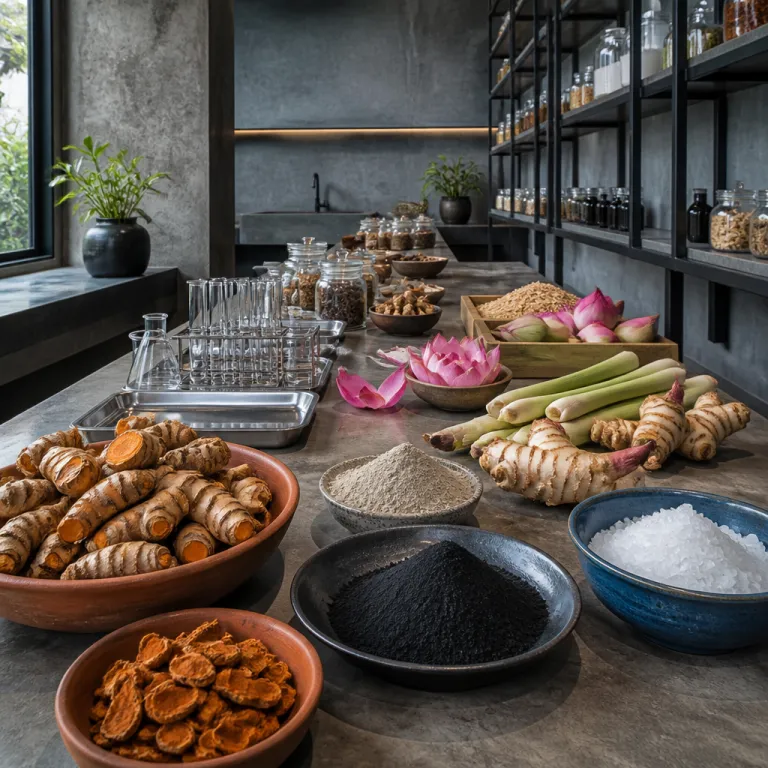
Traditional Vietnamese medicine, known locally as thuốc nam, still shapes the spa hotel Vietnam wellness experience in many rural retreats. In the northern highlands, for example, Panhou Retreat in Hoàng Su Phì is known for working with local herbalists, forest walks and river stone baths to create a wellness retreat that feels rooted in the land rather than in imported trends. Here, wellness treatments often include cupping, acupressure and herbal compresses, echoing the dataset statement that “Methods include Vietnamese medicine, Dien Chan facial reflexology, and acupressure.”
These properties rarely market themselves as a clinical wellness resort, yet they deliver something many urban travelers quietly crave. You might soak in a wooden tub filled with mountain herbs after a day on steep trekking trails, then eat simple dining dishes cooked over wood fire while mist rolls across the valley. The wellness journey is less about a private pool or polished resort spa interiors and more about slow breathing in cool air, listening to river noise and letting your nervous system recalibrate.
For solo travelers, the key is to read the details of each hotel or resort Vietnam listing carefully and look beyond glossy offers. If a property talks about local healers, village walks and herbal steam rather than tennis courts and ocean view suites, you are probably in traditional territory. To compare these philosophies with more polished coastal sanctuaries such as Amanoi, Four Seasons The Nam Hai and TIA Wellness Resort, study an in depth guide to Vietnam’s defining spa philosophies on a dedicated wellness resort Vietnam page, then decide how much structure you want around your retreat inclusive stay.
Mid tier coastal spa resorts and all inclusive pampering
Between rustic mountain lodges and clinical programs sits a wide band of coastal spa resort options that balance indulgence with light structure. This is where many readers booking through a luxury hotel platform will land, especially if they want a spa hotel Vietnam wellness break that still feels like a beach holiday. Think broad sand, a shimmering main pool, easy sports options and enough wellness treatments to feel reset without feeling monitored.
Fusion Maia in Đà Nẵng remains a widely cited reference point for the all inclusive spa model in Vietnam. At this resort spa, guests receive two treatments per day included in the rates, turning daily wellness into a rhythm rather than a rare treat and making the spa the main content of the stay. Pool villas with a private pool blur the line between room and retreat, while dining leans toward Vietnamese comfort food and light international dishes rather than strict detox menus, which suits travelers who want wellness inclusive benefits without a boot camp atmosphere.
Further south, Alma Resort Cam Ranh and several Nha Trang area properties offer family friendly wellness resort experiences with water parks, tennis courts and kids clubs alongside serious spa facilities. These hotels are ideal if you want to combine a personal wellness journey with a family beach stay, because you can slip into the resort spa for a herbal compress massage while the rest of your group hits the sports courts or the ocean facing pool. For business travelers extending a work trip, pairing these mid tier resorts with a focused recovery plan can be powerful, as explored in depth in analyses of the rise of the business trip wellness extension in Vietnam and regional wellness tourism reports.
Clinical grade wellness at TIA Wellness Resort and peers
At the sharpest end of the spa hotel Vietnam wellness spectrum sit properties that treat your stay almost like a short residential health program. TIA Wellness Resort in Đà Nẵng is a prominent example, positioning itself as a luxury wellness resort where every stay includes structured wellness inclusive elements. Here, TIA Wellness is not just a brand name but a full framework that typically starts before you even arrive at the hotel.
Guests often complete detailed pre arrival questionnaires covering sleep, stress, nutrition and movement, which the resort spa team can use to design personalized wellness treatments and schedules. A typical retreat inclusive program might combine breathwork, mindfulness coaching, creative expression sessions and tailored spa rituals with plant forward dining that supports detox and nervous system regulation. The private pool suites and ocean view villas keep the experience firmly in the luxury resort Vietnam category, yet the daily wellness rhythm feels closer to a clinic than a casual beach resort.
Six Senses Côn Đảo and Alba Wellness Valley by Fusion also operate at this clinical adjacent level, though each with a distinct personality. Six Senses is known for blending modern diagnostics with traditional Vietnamese and Ayurvedic inspired therapies, while Alba focuses on hot spring bathing, detox programs and mindful movement in a valley setting. When you compare offers and rates across these hotels, pay attention to how many wellness treatments are included per day, whether email based pre stay consultations are available and how private the spaces feel, because these details will shape how transformative your wellness journey can be and how closely it resembles a medically informed program.
Hot springs, mineral waters and nervous system regulation
Vietnam’s geography quietly supercharges the spa hotel Vietnam wellness scene, especially for travelers chasing nervous system regulation rather than just massages. Mountain ranges, dense forests and a long coastline create natural environments where your body can downshift quickly, which matters if you arrive wired from long haul flights and urban life. Hot springs and mineral rich waters add another layer, turning a simple soak into a wellness treatment with measurable benefits.
Quảng Ninh province, better known for Hạ Long Bay, hides several mineral spring complexes that local travelers use for weekend wellness retreat breaks. Further south, the Nha Trang region offers both beach resorts and inland hot spring parks, allowing you to split your stay between an ocean view hotel with a private pool and a quieter retreat inclusive property near the hills. Alba Wellness Valley by Fusion, near Huế, builds its entire wellness resort identity around thermal waters, forest bathing and daily wellness rituals such as walking meditation and yoga under trees.
For solo explorers, these environments are ideal for experimenting with nervous system tools without the pressure of a strict clinical program. You might spend mornings in the resort spa alternating hot and cold pools, then take slow walks through gardens or along the beach in the afternoon to let your body integrate the work. When comparing resort Vietnam options, look for thoughtfully crafted schedules that leave white space for rest, not just a packed list of sports activities and dining events, because your nervous system needs quiet as much as it needs treatments.
How to choose the right wellness stay and read the fine print
Choosing the right spa hotel Vietnam wellness experience starts with being honest about what you want from the trip. If you are craving silence, structure and a clear reset, a wellness resort such as TIA Wellness Resort, Six Senses Côn Đảo or Alba Wellness Valley by Fusion will serve you better than a general beach hotel with a decent spa. If you want a lighter retreat that still leaves room for street food runs and late night drinks, a mid tier resort spa in Đà Nẵng, Nha Trang or Phú Quốc might be the smarter call.
When you compare offers and rates on a booking platform, read beyond the headline images of pool villas and ocean view suites. Check whether wellness treatments are included daily or sold à la carte, whether there is a wellness inclusive or retreat inclusive package, and how many private sessions such as creative expression workshops or mindfulness coaching are guaranteed. Look at the overall layout too, because the distance between your room, the pool, the beach and the resort spa will shape how easy it is to keep a daily wellness rhythm.
Trust signals matter in this space, especially with many spa focused hotels now operating across Vietnam. Pay attention to how clearly a property explains its wellness journey philosophy, whether email contact details for the spa team are easy to find and how transparently it lists program inclusions. For a deeper sense of service culture, study a guide to the five rituals of Vietnamese hotel service that signal a property worth returning to, then use those criteria when you shortlist your next wellness retreat stay.
Pricing, booking strategy and practical details for solo travelers
Wellness focused stays in Vietnam span a wide price range, and understanding the tiers will help you book smarter. A three night spa hotel Vietnam wellness break at a mid tier coastal resort might start at a few hundred US dollars, with basic spa access and some sports facilities such as tennis courts included but treatments charged separately. Step up to a wellness inclusive or retreat inclusive package at a dedicated wellness resort and you can expect rates to climb significantly, though the value often improves once you factor in daily wellness treatments and specialized dining.
Clinical leaning properties such as TIA Wellness Resort, Six Senses Côn Đảo and Alba Wellness Valley by Fusion typically price three night programs in the higher bracket, especially for private pool villas or ocean view suites. These packages usually include multiple spa sessions per day, structured mindfulness or creative expression classes and personalized nutrition, which means the main content of your stay is carefully programmed rather than improvised. For many solo travelers, that level of structure justifies the cost, especially when compared with piecing together separate hotel, spa and dining experiences in a big city.
When booking through a platform such as myvietnamstay.com, use filters to narrow down resort Vietnam options by wellness focus, then request full program details by email before you commit. Ask how many wellness treatments are included daily, whether there is flexibility to swap sports sessions for extra spa time and how the property handles solo guests at shared dining tables or group activities. With clear information and a realistic budget, you can choose a wellness journey that feels both thoughtfully crafted and genuinely restorative, rather than just another few nights by a pretty pool.
Key figures shaping Vietnam’s wellness and spa landscape
- Industry observers note that Vietnam now hosts hundreds of spa focused hotels nationwide, giving travelers a broad spa hotel Vietnam wellness spectrum from simple retreats to advanced resort spa programs. Exact counts vary by source and year, so always check the latest dữ liệu from the Vietnam National Administration of Tourism for current figures and official classifications.
- Wellness tourism in Vietnam is estimated to generate billions of US dollars in annual revenue, based on dữ liệu from the Vietnam Ministry of Culture, Sports and Tourism and international wellness reports such as the Global Wellness Institute’s regional studies, underlining how central wellness resort and spa resort stays have become to the country’s travel economy.
- Recent reports highlight a steady rise in demand for personalized wellness programs, which helps explain the growth of wellness inclusive and retreat inclusive offers at properties such as TIA Wellness Resort, Six Senses Côn Đảo and Alba Wellness Valley by Fusion. Typical packages now list specific inclusions, such as two to four treatments per day, daily movement classes and at least one consultation with a wellness specialist.
- Vietnam’s wellness tourism market has expanded in parallel with increased integration of traditional and modern therapies, encouraging more hotels and resorts to combine thuốc nam, acupressure and hot springs with clinical style diagnostics and daily wellness coaching. At higher end properties, spa teams often include therapists with internationally recognized massage certifications or yoga teacher training, though exact credentials should always be confirmed directly with the resort.
FAQ about spa hotels and wellness retreats in Vietnam
What traditional healing methods are used in Vietnam's spa hotels?
Methods include Vietnamese medicine, Dien Chan facial reflexology, and acupressure. Many wellness resort and resort spa properties partner with local herbalists to design herbal baths, compresses and steam rituals that align with these traditions. When you review hotel details, look for mentions of thuốc nam, cupping or reflexology if you want this style of wellness journey.
Are detox programs in Vietnam's spa hotels medically supervised?
Many programs are designed with medical or specialist wellness oversight, combining spa treatments and mindfulness activities. Clinical leaning properties such as TIA Wellness Resort, Six Senses Côn Đảo and Alba Wellness Valley by Fusion often work with international wellness experts to shape nutrition, sleep and stress protocols. Always check program descriptions and, if needed, email the resort in advance to clarify the level of supervision, the qualifications of the team and whether any doctor or nurse is on site during your stay.
What should I consider when choosing a spa hotel in Vietnam?
Consider the range of treatments, authenticity of traditional methods, and integration with modern wellness practices. You should also weigh how wellness inclusive the stay is, whether daily wellness sessions are included and how private the spaces feel, especially if you value a private pool or quiet pool villas. Location matters too, so decide whether you prefer a beach setting, a highland retreat or a hot spring valley.
How far in advance should I book wellness treatments and packages?
For peak seasons and popular spa resort properties, booking several weeks ahead is wise, especially for retreat inclusive programs with limited capacity. Many hotels allow you to reserve wellness treatments by email once your room is confirmed, which helps secure preferred times and therapists. If your wellness journey is the main content of the trip, lock in key sessions before you arrive rather than relying on last minute availability.
Is Vietnam suitable for solo travelers seeking a wellness retreat?
Vietnam is highly suitable for solo wellness travelers, with many resorts and hotels used to hosting independent guests on structured programs. Properties such as TIA Wellness Resort, Fusion Maia and Alba Wellness Valley by Fusion design thoughtfully crafted schedules that balance group classes with private sessions, making it easy to engage without feeling trapped in social obligations. When you compare offers and rates, look for clear information on solo friendly dining, group sizes and optional creative expression or mindfulness activities.