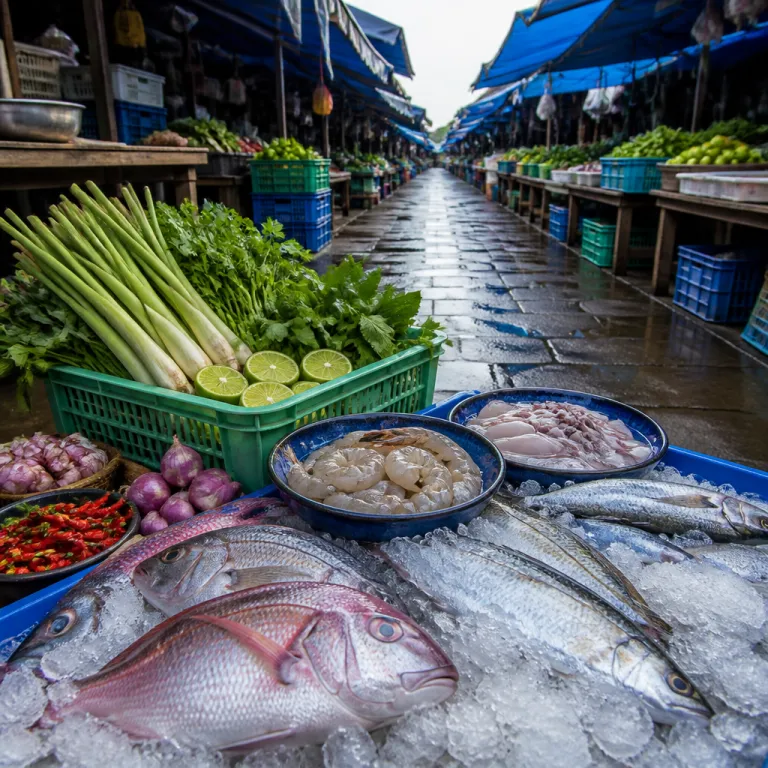
How a vietnam hotel culinary experience now starts in the street
In Vietnam, the most memorable dining often happens far from a white tablecloth. The smartest luxury hotel teams now treat the surrounding streets, markets and alleyway stalls as the real engine of any vietnam hotel culinary experience, turning the city itself into an open kitchen. For couples planning a romantic stay, this shift means your reservation is not just for a room, but for a series of layered culinary experiences that move fluidly between hotel and pavement.
Concierges in Hà Nội, Hội An and Hồ Chí Minh City quietly admit that the phở stand they send you to will probably outshine the hotel restaurant. That honesty has transformed how a vietnam hotel culinary experience is curated, with concierges acting less like gatekeepers and more like street food guides who map out where to enjoy breakfast, where to return for dinner and which late night spot still grills perfect skewers. When you book a premium hotel today, you are also booking a culinary journey that blends fine dining, street food and hands on cooking in a single stay.
Across Vietnam, hotel concierges and executive chef teams now collaborate with local markets, cooking schools and neighborhood vendors. They design morning itineraries that start with a market visit, continue with a cooking class and end with a shared lunch that feels more like a family meal than a staged dining experience. This is where the vietnam culinary narrative becomes personal, as you handle local produce, talk with english speaking guides and taste vietnamese food in the same places residents shop every day.
Morning markets: where the vietnam hotel culinary experience truly begins
The day often starts in the lobby, not the restaurant, when the concierge hands you a reusable bag and walks you to a waiting car. Properties from Huế to Hội An schedule these morning departures with military precision, because a well timed market visit sets the tone for the entire culinary experience that follows. According to hotel teams, typical programs run four to five hours, with a rhythm that balances exploration, learning and relaxed dining.
One common structure mirrors the national trend data on culinary tours in Vietnam, where hundreds of guided visits now operate each year. Guests usually meet at the hotel around 8:00, reach the market by 8:15, spend close to an hour weaving between stalls, then shift into a cooking class before sitting down to lunch around midday. The official guidance shared with guests is simple and practical : "Wear comfortable clothing and shoes suitable for walking." "Are dietary restrictions accommodated?" "Yes, inform the concierge in advance." "How long do these tours last?" "Typically 4-5 hours, including cooking and dining."
For couples, these mornings are often more intimate than any candlelit dinner, because you move at your own pace and talk directly with vendors about their food. Hotels that take vietnam culinary immersion seriously pair you with english speaking local chefs who explain how to choose herbs, why certain fish is best for the day and how local produce from nearby farms shapes the menu back at the hotel. If you want a deeper look at how high end properties structure these programs, our guide to luxury hotel dining options and culinary journeys in Vietnam breaks down which addresses excel at turning markets into classrooms.
From basket to plate: chef led cooking classes that go beyond spring rolls
The most rewarding part of a vietnam hotel culinary experience often happens once the market bags are full and you step into the hotel kitchen. Here, an executive chef or a trusted local chef turns raw ingredients into a structured cooking class, guiding you through recipes that reflect the region rather than a generic vietnamese restaurant menu. Instead of stopping at simple spring rolls, you might tackle bún bò Huế in Huế, mì Quảng near Hội An or a crisp bánh xèo along the central coast.
Hotels that understand serious food travelers design these classes as compact but intensive workshops, usually lasting a half day so you can still enjoy the pool or spa later. You chop, stir and taste under close supervision, with english speaking assistants translating techniques into clear steps while you day learn how vietnamese cuisine balances herbs, acidity and texture. By the time you sit down to enjoy the lunch you have cooked, the dining experience feels earned, and the recipes become souvenirs you can recreate long after you leave Vietnam.
Some properties push this format further by adding omakase style elements, where the chef chooses the sequence of dishes based on what looked best at the market that morning. It is not omakase dining in the strict Japanese sense, but the spirit is similar, with the chef curating a progression that highlights ultra fresh local produce and seafood from areas like the Mekong Delta or the coast near Hội An. For couples who want to balance such immersive days with restorative time, our feature on Vietnam’s most refined wellness focused luxury resorts shows how some hotels pair cooking classes with spa rituals for a full sensory arc.
The street food concierge: mapping vietnamese food beyond the hotel gates
In Hồ Chí Minh City, the most forward thinking luxury hotels now maintain living maps of street food, updated as obsessively as a wine list. Concierges at addresses like The Myst Đồng Khởi or Park Hyatt Saigon track which phở vendor is currently on form, where to find the best late night cơm tấm and which alleyway stall serves the most reliable grilled seafood. For guests, this means your vietnam hotel culinary experience extends far beyond the official dining room, into a network of trusted, often tiny, vietnamese food counters.
These maps are usually curated by english speaking staff who eat widely on their days off, then annotate recommendations with precise details. They will tell you which stall in District 1 is ideal for a quick breakfast, which one in District 3 is better for a slow dinner and where to stop for a final dessert before heading back to your hotel. In Hồ Chí Minh City, or as locals still say Sài Gòn, this kind of street level guidance is often more valuable than any fine dining reservation, because it connects you directly to the city’s daily food rituals.
Beyond the big cities, a similar philosophy is emerging in coastal destinations and islands, where concierges send guests to night markets and family run restaurants instead of keeping them captive on property. On Phú Quốc, for example, our report on the island’s emerging restaurant scene and night markets shows how high end hotels now frame off site dinners as essential parts of the stay. The result is a richer culinary journey, where you might enjoy a refined hotel dinner one night, then sit on plastic stools the next, both experiences treated with equal respect.
Farm to table, omakase touches and how to choose the right hotel
Not every property that talks about local produce actually commits to it, so choosing the right hotel is crucial for a meaningful vietnam hotel culinary experience. Serious addresses in places like the Mekong Delta or along the central coast often maintain their own gardens, invite guests to walk through the rows of herbs and vegetables, then show exactly how those ingredients appear on the menu that evening. When you see cooks harvesting lemongrass or morning glory just hours before service, the promise of farm to table dining stops being a slogan and becomes a visible practice.
Some hotels now blend this garden focus with omakase inspired tasting menus, where the chef builds a sequence of dishes around what is most vibrant that day. You might start with a delicate salad of local herbs, move to grilled river fish from the Mekong Delta, then finish with fruit picked from nearby orchards, all framed as a relaxed but precise fine dining experience. In these settings, omakase dining is less about imported luxury and more about trusting the chef to interpret vietnamese cuisine through the lens of place and season.
When evaluating options on a booking platform, look for concrete details rather than vague promises about vietnam culinary authenticity. Ask whether the hotel offers a structured cooking class linked to a market visit, whether the executive chef joins those tours, and how often the street food map is updated for areas like Hội An, Hội Việt Nam or Hồ Chí Minh City. The more specific the answers about breakfast rituals, dinner recommendations and hands on experiences, the more likely you are to enjoy a stay where food is not an add on, but the quiet center of every day.
Practical tips for couples planning a culinary journey through Vietnam
For couples designing a vietnam hotel culinary experience, timing and communication matter as much as the hotel brand. Morning market tours usually run daily in major destinations, but spaces are limited, so ask the concierge to reserve your spot as soon as you confirm your room. Wear comfortable shoes, bring a reusable bag and share any dietary restrictions in advance so the chef can adapt both the market shopping and the cooking class.
Think about structuring your trip around a sequence of complementary experiences rather than repeating the same format in every city. In Hội An or Hội Việt Nam, you might focus on a market to table cooking class that highlights central vietnamese cuisine, while in Hồ Chí Minh City you lean into street food maps and late night restaurant hopping. Further south in the Mekong Delta or near Hội Năng and coastal enclaves, prioritize hotels that can show you how local produce moves from rivers and farms directly into both casual meals and more polished dining rooms.
Finally, remember that the most meaningful culinary experiences often happen in small, unplanned moments, not just in scheduled classes or formal dinners. Let the english speaking receptionist send you to a tiny vietnamese restaurant for a simple plate of vietnamese food, or follow a last minute tip to a family run place in Hải Phòng or another coastal town. When you allow the concierge, the chef and the city itself to guide your choices, every breakfast, lunch and dinner becomes part of a continuous culinary journey that defines your time in Vietnam.
FAQ
What should I wear for a hotel organized market tour in Vietnam ?
Comfortable clothing and supportive shoes are essential, because you will be walking through crowded alleys, wet floors and sometimes uneven pavements. Lightweight fabrics work best in the heat, and a small reusable bag is useful for any local produce or spices you decide to buy. Many hotels also recommend a hat and sunscreen, as markets can be partially outdoors with limited shade.
Are dietary restrictions accommodated during cooking classes and dining experiences ?
Most luxury and premium hotels in Vietnam can adapt both the cooking class and the tasting menu if they know your needs in advance. Inform the concierge about allergies, religious restrictions or preferences when you book your vietnam hotel culinary experience, not on the day itself. Chefs are generally flexible with vietnamese cuisine, adjusting sauces, proteins and garnishes while keeping the spirit of each dish intact.
How long do typical hotel culinary tours and classes last ?
Combined market tours and cooking classes usually last between four and five hours from hotel pickup to the final lunch. The schedule often includes travel time to the market, around one hour of guided shopping, a hands on cooking session and then a relaxed meal to enjoy what you have prepared. Couples who prefer a lighter program can ask whether the hotel offers shorter demonstrations or tasting focused experiences instead.
Do I need to speak Vietnamese to enjoy these culinary experiences ?
You do not need to speak Vietnamese, because most high end hotels provide english speaking guides, concierges and cooking instructors. They translate conversations with vendors, explain techniques clearly and help you understand the cultural context behind each dish. Learning a few basic phrases is appreciated, but it is not a requirement for a rich culinary journey.
How can I tell if a hotel really supports local food culture and producers ?
Ask specific questions about where the restaurant sources seafood, herbs and vegetables, and whether you can visit any gardens or farms linked to the property. Genuine programs will mention named markets, regions like the Mekong Delta or particular villages, and will often invite you to see the supply chain in person. If the answers stay vague or focus only on decor, the commitment to vietnam culinary authenticity may be more marketing than reality.