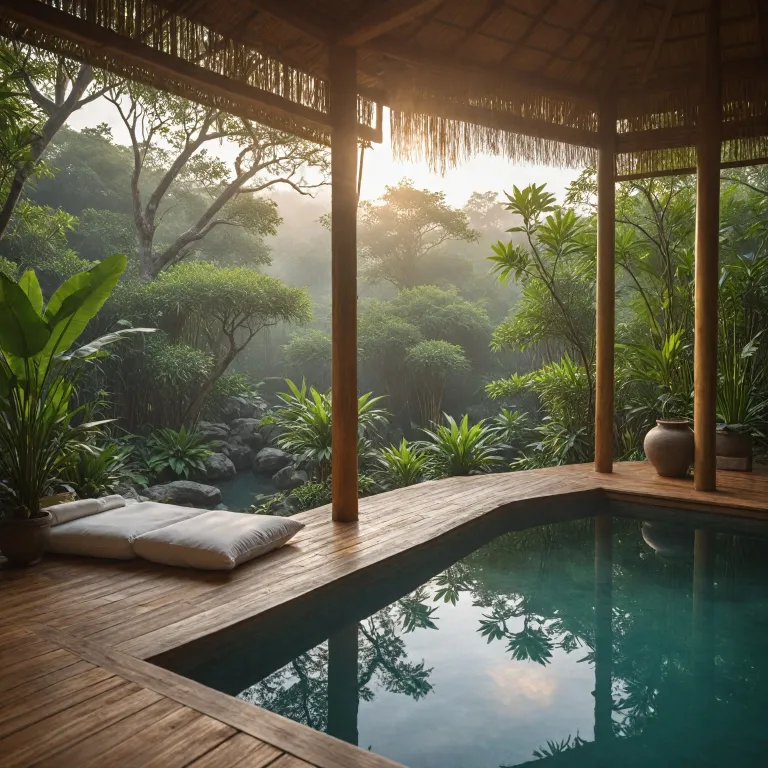
Wellness Asia as a compass for luxury travel in Vietnam
Wellness Asia has become a powerful compass for travelers seeking depth. Luxury guests now expect every stay to support health, balance, and renewed senses through thoughtful details. In Vietnam, premium hotels respond by weaving wellness into architecture, service, and curated experiences.
Across Asia, the wellness industry has grown rapidly, and Vietnam is quietly joining leaders such as Thailand and bali in this movement. Wellness Asia trends show travelers combining classic sightseeing with spa rituals, yoga sessions, and slow travel retreats that respect local culture. For anyone planning to book hotels in Vietnam, this shift means more meaningful stays and more refined choices.
Industry research notes that wellness tourism in Asia already represents a major share of the global wellness economy. Organizations such as the Global Wellness Institute, GlobalData, and Statista highlight how wellness offerings now shape destination strategies and hotel investments. For travelers, this translates into a richer selection of wellness retreats, wellness resorts, and wellness hotels that place personal health at the center of the journey.
Vietnamese properties are integrating spa programs, river retreat concepts, and mindful dining into their core identity. Many align with broader Wellness Asia inspirations, learning from icons such as kamalaya, chiva som, ananda himalayas, and como shambhala while preserving Vietnamese authenticity. This blend of global best wellness practices and local tradition creates a compelling proposition for discerning guests.
For travelers comparing options, the challenge is no longer finding wellness content but choosing the right style of wellness retreat. Some prefer a quiet pool villa with private yoga, while others seek social retreats with group classes and cultural immersion. A thoughtful booking strategy helps you find best matches between your needs and the growing range of wellness Asia experiences in Vietnam.
How Wellness Asia reshapes luxury hotel expectations in Vietnam
Wellness Asia has redefined what “premium” means for hotels across the region. Guests no longer look only for a large room and efficient service, but for a wellness sanctuary that supports body, mind, and emotions. In Vietnam, this shift is visible from Hanoi to the Mekong Delta and the central coast.
Luxury wellness today often starts with architecture that calms the senses. Natural materials, open courtyards, and views over rivers or rice fields create a gentle transition from busy travel days into restorative evenings. When you book hotels that embrace Wellness Asia principles, you feel this intention from the lobby to the pool villa and spa.
Wellness offerings now extend far beyond a simple massage menu. Many Vietnamese wellness resorts integrate yoga, breathwork, and meditation inspired by India and Southeast Asia, while still honoring local traditional practices such as herbal compresses and Vietnamese therapies. This mirrors the broader Wellness Asia landscape, where destinations like koh samui, bali, and thailand have long championed integrated wellness retreats.
Leading regional names such as kamalaya, kamalaya koh, kamalaya wellness, chiva som, ananda himalayas, como shambhala, and the iconic bali sayan area have set benchmarks for luxury wellness. Vietnamese hoteliers study these best wellness examples to refine their own wellness hotels and wellness resorts. The result is a new generation of properties that can credibly compete within Wellness Asia while remaining distinctly Vietnamese.
For travelers, this evolution means more choice but also more complexity when trying to find best options. You may compare a river retreat in central Vietnam with a namia river inspired escape in northern mountains, or weigh a city spa stay against a coastal wellness retreat. Understanding how Wellness Asia standards influence each property helps you align your booking with your personal health goals.
Designing a wellness Asia itinerary around Vietnam and regional icons
Many travelers now design itineraries that weave Vietnam into a broader Wellness Asia journey. A typical route might combine a few days in hong kong, a week in thailand or koh samui, and then a slower river retreat or coastal stay in Vietnam. This approach allows you to experience different wellness offerings while maintaining a coherent focus on health and restoration.
Some guests begin in hong kong for urban energy, then move to koh samui for a structured wellness retreat at a renowned resort. Properties such as kamalaya, kamalaya koh, and kamalaya wellness have inspired countless wellness retreats across Asia with their integrated programs. From there, travelers often continue to Vietnam, seeking quieter wellness hotels that balance structure with freedom.
Others may start in bali, staying near the lush landscapes around bali sayan or other wellness resorts that emphasize yoga and meditation. These bali retreats often highlight traditional healing, plant based cuisine, and deep connection with nature. When you later book hotels in Vietnam, you can look for similar wellness sanctuary qualities adapted to Vietnamese culture and landscapes.
In Vietnam, a river retreat along the Mekong or a namia river style experience in the highlands can complement more intensive programs in thailand or India. For a sense of how serene a Vietnamese river escape can feel, you can read this detailed review of a Mekong Delta wellness oriented stay. This kind of content helps guests compare different wellness Asia experiences and plan balanced retreats.
When building your itinerary, consider alternating structured wellness retreats with more flexible wellness resorts or wellness hotels. A few days of guided yoga and spa treatments can be followed by unstructured time in a pool villa, where you simply rest, read, and share quiet moments with loved ones. This rhythm respects both your health needs and your desire to explore Asia through travel.
Evaluating wellness offerings when booking luxury hotels in Vietnam
Choosing the right property within Wellness Asia requires more than scanning photos. To find best options, start by examining how deeply wellness is integrated into the hotel’s philosophy, not just its marketing language. Serious wellness resorts and wellness hotels in Vietnam usually present clear program structures and qualified teams.
Look closely at spa menus, yoga schedules, and nutrition options to understand the real depth of wellness offerings. A genuine wellness sanctuary will provide consultations, tailored treatments, and follow up guidance rather than only generic massages. When you book hotels, check whether the spa and retreat programs reference evidence based practices alongside traditional therapies.
Pay attention to how properties describe their connection to local culture and environment. In Wellness Asia, the most respected wellness retreats and wellness resorts highlight traditional healing, sustainable sourcing, and respect for surrounding communities. In Vietnam, this might mean herbal baths using regional plants, river retreat designs that protect waterways, or architecture that echoes namia river landscapes.
Accommodation type also shapes your wellness experience, especially in luxury wellness contexts. A pool villa offers privacy for yoga, meditation, and in room spa rituals, while suites in wellness hotels may provide easier access to group classes and social retreats. Consider whether you prefer the seclusion of a wellness sanctuary or the energy of shared wellness retreats when you travel.
Finally, review independent content and guest feedback with a critical eye, focusing on detailed descriptions rather than star ratings alone. Guests who value wellness Asia principles often share nuanced impressions of staff expertise, program coherence, and long term health impact. Their experiences can guide you toward the best wellness retreat or resort for your specific goals.
The role of traditional practices and senses in Vietnamese wellness stays
One of Wellness Asia’s greatest strengths is its deep reservoir of traditional knowledge. In Vietnam, luxury wellness hotels and wellness resorts increasingly draw on local therapies while learning from regional leaders such as thailand, bali, and India. This fusion allows guests to experience both familiar global practices and distinctly Vietnamese rituals.
Traditional Vietnamese treatments often focus on circulation, warmth, and herbal remedies that awaken the senses. When combined with yoga, meditation, and spa techniques inspired by places like koh samui, bali sayan, or ananda himalayas, they create layered wellness offerings. Guests can move from a river retreat herbal steam to a mindful movement class, then end the day in a quiet pool villa.
Across Wellness Asia, properties such as chiva som, como shambhala, and kamalaya wellness have shown how to integrate science with tradition. Vietnamese hoteliers adapt these best wellness models while honoring local ingredients, spiritual customs, and landscapes. The result is a style of luxury wellness that feels both globally informed and rooted in place.
Engaging all five senses is central to these experiences, from the scent of lemongrass oils to the sound of river water at a namia river inspired retreat. Lighting, textures, and culinary details all contribute to a genuine wellness sanctuary atmosphere. When you book hotels in Vietnam, look for descriptions that emphasize sensory journeys rather than only room size or amenities.
As Wellness Asia continues to grow, Vietnam’s role will likely expand through eco conscious river retreat concepts and culturally rich wellness retreats. Travelers who value authenticity, health, and meaningful travel will find best matches in properties that respect both tradition and innovation. “The growth is driven by increasing global demand for holistic health experiences, integration of wellness services into hospitality, and promotion of traditional healing practices.”
Practical booking strategies for wellness Asia travelers focusing on Vietnam
Planning a Wellness Asia journey that centers on Vietnam requires clear priorities. Begin by defining what wellness means for you right now, whether stress relief, physical health, or deeper emotional reset. This clarity will guide every decision as you book hotels, flights, and activities.
Next, shortlist destinations that align with your goals, such as a coastal wellness retreat, a Mekong river retreat, or a highland namia river style escape. Compare wellness resorts, wellness hotels, and smaller wellness sanctuary concepts based on program depth, not only design. Look for properties that reference established leaders like kamalaya, chiva som, ananda himalayas, or como shambhala in their philosophy.
When evaluating options, check how many days are recommended for their wellness retreats. Some luxury wellness programs in koh samui, bali, or thailand suggest minimum stays to achieve best wellness outcomes, and Vietnamese properties often follow similar guidelines. Align your travel dates and budget with these recommendations to maximize benefits.
Use detailed content from hotel websites, independent reviews, and regional guides to understand daily schedules. A balanced itinerary might include morning yoga, mid day spa sessions, and unstructured afternoons in a pool villa or by the river. Make sure the pace feels sustainable, especially if you plan to combine Vietnam with hong kong, bali sayan, or other Wellness Asia hubs.
Finally, consider how you will share and sustain your experience after returning home. Many guests keep simple practices learned at wellness retreats, such as breathing exercises or herbal rituals, as daily anchors. By approaching Wellness Asia travel with intention and informed choices, you can find best luxury wellness stays in Vietnam that continue to support your health long after check out.
Key wellness Asia statistics for informed luxury travel planning
- Asia Pacific’s wellness economy has been valued at more than 2 trillion USD, underlining the scale and maturity of Wellness Asia.
- Thailand’s wellness economy alone has reached tens of billions of USD, reinforcing its role as a reference point for wellness retreats and wellness resorts that inspire Vietnamese properties.
- The Asia Pacific wellness tourism market is projected to approach 190 billion USD, indicating continued investment in wellness hotels, wellness offerings, and luxury wellness experiences across the region.
Essential questions travelers ask about wellness Asia and Vietnam
What is driving the growth of wellness tourism in Asia?
The growth of wellness tourism in Asia is driven by rising global interest in holistic health, the integration of wellness services into mainstream hospitality, and the renewed focus on traditional healing practices. Travelers increasingly seek hotels, resorts, and retreats that support long term health rather than only short term relaxation. This demand encourages destinations such as Vietnam, thailand, bali, and hong kong to expand their wellness offerings and refine luxury wellness standards.
Which countries in Asia are leading in wellness tourism?
Within Wellness Asia, thailand, China, and India are widely recognized as leaders in wellness tourism. Their influence is visible in the way Vietnamese wellness resorts and wellness hotels design programs, from yoga and meditation to spa therapies and nutrition. Travelers who book hotels in Vietnam often combine their stays with visits to koh samui, bali, or Indian retreats to experience different interpretations of wellness retreats across the region.
What are some traditional wellness practices in Asia?
Traditional wellness practices in Asia include Thai massage, Ayurveda, yoga, and a wide range of herbal remedies. These methods inform many wellness retreats and wellness resorts, including those in Vietnam that adapt them alongside local therapies. When you travel through Wellness Asia, you will encounter these practices in spa menus, retreat programs, and daily rituals designed to restore balance and awaken the senses.