Nhã house as a refined place to stay in Ho Chi Minh City
Nhã house offers a calm, design focused place to stay in the dense fabric of Ho Chi Minh City. This refined nha project in southern Vietnam translates the warmth of local families into a contemporary house experience, where every space feels quietly personal yet connected to the city. Guests who choose this vietnam nha address find a rare balance between privacy, cultural immersion and carefully curated comfort.
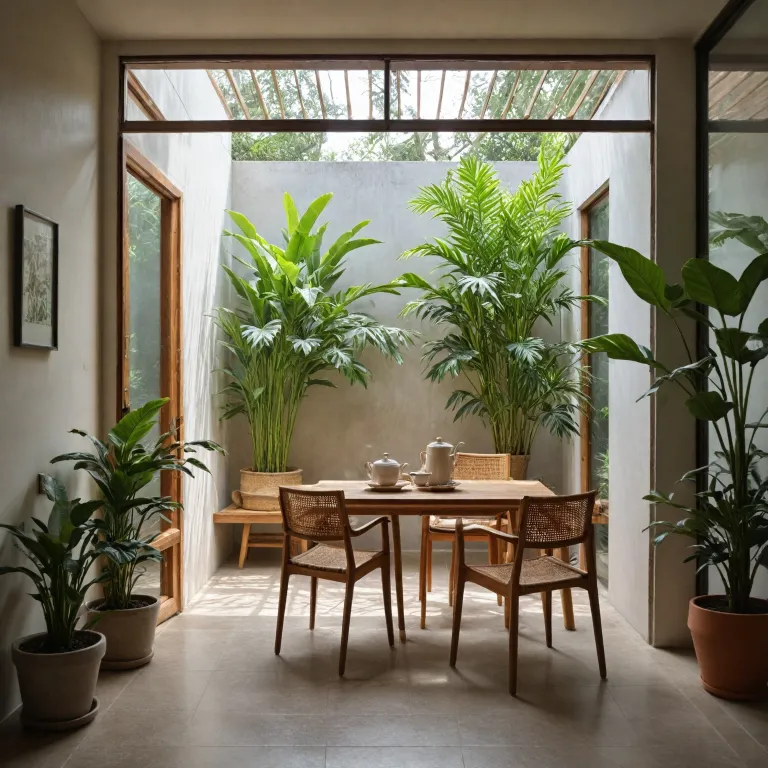
Designed by architect Hiroyuki Oki, Nhã house reflects how hiroyuki oki often works with air, natural light and tactile materials to create gentle transitions between inside and outside. The house and its private rooms are arranged around a tropical space that encourages cool air to circulate, while a brick wall filters views and softens the strong sun. This approach to housing is aimed at helping guests feel sheltered from the city’s intensity after a long day of travel or meetings.
The layout of Nhã house draws inspiration from the layered family dynamics portrayed in the Vietnamese film “Nhà Bà Nữ”, directed and co produced by Trấn Thành, where a crab noodle soup shop becomes the stage for complex relationships. Just as the film highlights how a small business can hold several generations together, this house in chi minh city is organised so that family members can share common spaces while still retreating to private rooms. For travellers, this creates a subtle sense of belonging that goes beyond a standard room in a large property.
At street level, the front yard acts as a threshold between public life and the intimate interior of the house. This semi open space is where guests first feel the shift from the busy public realm of minh city into the quieter, more reflective atmosphere of Nhã house. It is also where the project year design intent becomes visible, with greenery, brick and filtered air combining to create a welcoming arrival.
Architecture, air and tropical space in a dense urban context
The architecture of Nhã house responds to the tropical climate of Vietnam with a focus on air, shade and layered space. Hiroyuki Oki and his team shaped the housing volumes so that rooms and common spaces always benefit from cross ventilation, reducing the need for constant air conditioning. This strategy allows cool air to move through the house, creating a more sustainable and comfortable place to stay for guests sensitive to heat and humidity.
Vertical and horizontal brick wall elements define the tropical space at the heart of the project, filtering light and framing views of the garden. These walls act as breathable resources that manage privacy while still letting natural light and air reach the interior rooms and shared areas. The result is a sequence of spaces that feel both open and protected, echoing the layered courtyards of traditional houses in Vietnam.
In several parts of the house, the design team carved out double height rooms and semi open terraces that connect visually to the garden and front yard. These volumes create a sense of generosity that contrasts with the compact plots typical of chi minh and minh city, where every square metre of housing is precious. For travellers, this spatial openness translates into a feeling of mental ease after a long day navigating crowded streets and public transport.
For those planning a wider journey through the country, Nhã house can be paired with riverside luxury stays that showcase another face of vietnam nha hospitality, such as the elegant properties featured in this guide to Vietnam riverside luxury hotels. Within the house itself, the interplay of air, brick and tropical planting ensures that both individual rooms and shared common spaces remain comfortable throughout the day. This thoughtful approach to climate and space underlines how the project is aimed at helping guests feel genuinely at home in a demanding urban environment.
Rooms, common spaces and the balance between privacy and connection
Nhã house is organised around a clear hierarchy of rooms and common spaces that supports both privacy and social interaction. Several private rooms are arranged along the sides of the house, each with controlled natural light, cool air and carefully positioned openings toward the garden or front yard. These rooms are designed as calm refuges where guests can unwind after a long day of travel, work or exploration in Ho Chi Minh City.
Between these private rooms, generous common spaces act as shared living areas for family members, friends or small groups travelling together. Here, the air flows more freely, and the brick wall surfaces, combined with timber and greenery, create a warm yet contemporary atmosphere. These shared rooms are ideal for planning the next stage of a vietnam journey, exchanging resources about local food, or simply enjoying a quiet drink in the evening.
The house also includes flexible rooms that can adapt to different housing needs, from a compact place to stay for solo travellers to interconnected spaces for larger families. This adaptability reflects the way local families in Vietnam often modify their houses over time, adding rooms or adjusting layouts as family members come and go. For guests, it means that Nhã house can accommodate different travel rhythms, whether for a short city break or a longer stay.
Travellers who appreciate refined yet understated design may wish to combine a stay at Nhã house with time in other serene properties, such as the Mekong retreat highlighted in this article on a serene escape at Azerai Can Tho. In all cases, the balance between private rooms and shared common spaces at Nhã house ensures that every guest can choose their preferred level of interaction. This layered spatial experience is one of the reasons why the house stands out within the competitive landscape of luxury and premium accommodation in Vietnam.
Family narratives, local culture and the spirit of Vietnamese hospitality
The emotional core of Nhã house is closely tied to the everyday lives of local families in Ho Chi Minh City. The project year concept was informed by stories of multigenerational housing, where several family members share the same house yet maintain distinct routines and aspirations. This reality is also reflected in contemporary Vietnamese culture, including cinema, where family conflicts and reconciliations often unfold in small, familiar spaces.
“Nhà Bà Nữ” is a Vietnamese comedy drama that explores family conflicts within a crab noodle soup shop run by Ngọc Nữ. The film was directed and co produced by Trấn Thành. In the story, the shop functions as both a public business and a private home, mirroring how many houses in Vietnam blur the line between work, family and social life.
Nhã house translates this layered domesticity into a refined place to stay, where guests can sense the rhythms of local life without sacrificing comfort. The front yard and ground floor rooms open gently toward the street, acknowledging the public nature of Saigon’s sidewalks while still preserving a clear threshold. Deeper inside, the tropical space and garden become quieter zones where cool air, filtered light and greenery create a more introspective atmosphere.
For travellers, this combination of public facing and intimate spaces offers a nuanced introduction to Vietnamese hospitality. It shows how a nha in chi minh can be both a family house and a welcoming address for visitors, with resources such as shared kitchens or lounges aimed at helping guests feel integrated. By staying at Nhã house, visitors engage with a living expression of local culture rather than an isolated, generic room.
Comfort, amenities and thoughtful details for a refined urban stay
While the architecture of Nhã house is rooted in local housing traditions, the amenities align with the expectations of luxury and premium travellers. Each of the private rooms is equipped with efficient air conditioning that complements the passive cooling created by cross ventilation and shaded brick wall surfaces. This combination ensures that cool air is available when needed, without overwhelming the natural character of the house.
Natural light is carefully managed through screens, deep reveals and the positioning of openings toward the garden and front yard. During the day, rooms and common spaces feel bright yet never harsh, allowing guests to work, read or relax in comfort. At night, warm artificial lighting highlights the textures of brick, timber and plants, reinforcing the sense of a calm, contemporary house in the heart of minh city.
Shared amenities include compact kitchens, lounges and terraces that function as valuable resources for guests who prefer a more independent style of travel. These common spaces are aimed at helping visitors prepare simple meals, share stories with other travellers or spend time with family members in a relaxed setting. For many guests, this blend of private rooms and shared houses like spaces feels more authentic than a purely hotel style environment.
Those planning an itinerary that extends beyond Ho Chi Minh City may appreciate pairing Nhã house with refined stays in other regions, such as the properties presented in this guide to elegant hotels in Ninh Binh. Within the city itself, Nhã house stands out as a vietnam nha address where every detail, from air flow to lighting, has been considered with care. This attention to comfort and atmosphere makes it an appealing place to stay for discerning travellers.
Practical guidance for booking Nhã house and planning your Vietnam journey
For travellers considering Nhã house as their place to stay in Ho Chi Minh City, early planning is recommended due to limited rooms and high demand. Because the house operates more like a refined family residence than a large hotel, each room and common space is unique, and availability can change quickly. Checking current resources such as booking platforms and direct contact channels will help you secure the specific room type and dates you prefer.
When comparing Nhã house with other housing options in Vietnam, consider how much value you place on air, light and a sense of local connection. Larger houses or hotels may offer more facilities, but they often lack the intimate scale and carefully curated tropical space that define this project. For many guests, the chance to stay in a nha that reflects the everyday life of local families outweighs the appeal of more standardised rooms.
It is also worth planning how Nhã house fits into a broader vietnam nha itinerary that might include riverside retreats, coastal resorts or mountain lodges. After a long day exploring chi minh and minh city, returning to a house where cool air, natural light and a quiet garden await can be deeply restorative. This rhythm of intense public experience followed by calm private rooms is one of the most rewarding ways to structure a journey through Vietnam.
Finally, remember that Nhã house is part of a wider movement in Vietnamese hospitality that values authenticity, architectural quality and meaningful engagement with local culture. By choosing this place to stay, you support projects aimed at helping local families and designers create sustainable, human centred housing models. In return, you gain access to a house where every brick wall, garden view and shared space has been shaped with care for both residents and guests.
Key statistics about Vietnamese cinema and cultural context
- Production budget for the film “Nhà Bà Nữ” reached approximately 1.3 million USD, signalling growing investment in Vietnamese storytelling.
- Domestic box office revenue for “Nhà Bà Nữ” was around 19.6 million USD, reflecting strong audience engagement with family centred narratives.
- International box office revenue for the same film reached about 1 million USD, indicating rising interest in Vietnamese culture abroad.
Questions travellers also ask about Nhã house and Vietnam stays
What is “Nhà Bà Nữ” about, and why does it matter for travellers ?
“Nhà Bà Nữ” focuses on family conflicts within a crab noodle soup shop, showing how work, home and public life intersect in Vietnam. For travellers, this narrative offers insight into the social fabric that also shapes houses and hospitality projects like Nhã house. Understanding these dynamics can deepen your appreciation of multigenerational housing and shared spaces during your stay.
Who is Trấn Thành, and how does his work relate to Nhã house ?
Trấn Thành is a Vietnamese comedian and filmmaker who directed and co produced “Nhà Bà Nữ”, a film centred on family relationships in a small urban business. His focus on everyday domestic tensions and reconciliations parallels the way Nhã house reflects real life housing patterns in Ho Chi Minh City. Both the film and the house highlight how local families adapt limited space to support several generations and evolving aspirations.
How can I enhance my cultural experience when staying at Nhã house ?
To enrich your stay, combine time at Nhã house with visits to local markets, street food stalls and cinemas showing Vietnamese films such as “Nhà Bà Nữ”. Engaging with public spaces around chi minh and minh city will help you understand how houses, shops and streets form a continuous social landscape. Back at Nhã house, use the common spaces and garden as quiet settings to reflect on these experiences and share them with fellow travellers or family members.