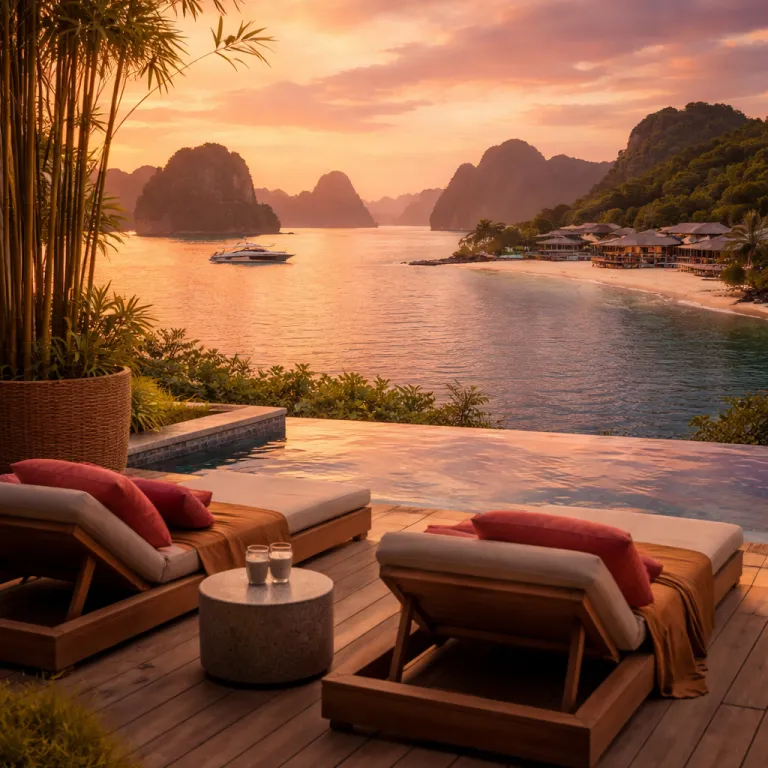
Why Vietnam’s quiet corners are the new luxury frontier
Emerging luxury destinations in Vietnam are no longer a future promise ; they are the live testing ground where the country’s next chapter in high end travel is being written. For travellers seeking more than another rooftop bar in Hồ Chí Minh City or a predictable resort strip in Đà Nẵng, the real luxury travel story now runs through Ninh Bình, Hạ Long Bay and Cam Ranh, where infrastructure is finally catching up with extraordinary landscapes and traditional Vietnamese culture. This shift is reshaping how independent travellers plan a trip through the country, and it will reward those ready to trade a little convenience for a lot more character.
The context is simple enough to read yet complex to navigate ; Vietnam’s classic destinations are crowded, while secondary regions have quietly invested in airports, highways and high end product without the same noise. Visa reforms, new expressways from Hà Nội to Ninh Bình and from Nha Trang to Cam Ranh, and upgraded terminals serving both domestic and Middle East carriers have opened a new market for luxury experiences that feel local rather than generic. For travellers seeking a quieter pool, a more personal experience and a deeper connection with Vietnamese life, these emerging luxury destinations in Vietnam now offer a compelling alternative to the country’s big three cities.
There is a deeper reason this shift matters for anyone serious about luxury travel ; it changes what the word luxury means in this country. In Ninh Bình, Hạ Long Bay and Cam Ranh, luxury is less about marble lobbies and more about panoramic views over limestone islands, mountain landscapes or a long sandy beach where the only soundtrack is the surf. The best resort or pool villa in these regions will often pair polished service with a receptionist who sketches a map to the street food stall or the local boat pier, turning a polished product into a lived experience that feels both curated and unscripted.
For a platform like myvietnamstay.com, which positions itself as a definitive guide to high end stays, emerging luxury destinations in Vietnam are not a side note ; they are the main story. The site’s curation now leans toward properties where the pool looks out over rice paddies in Ninh Bình, where a cruise cabin in Hạ Long Bay frames the limestone islands like a moving gallery, or where a Cam Ranh pool villa opens directly onto a quiet sandy beach. This is luxury travel built for solo explorers who want the freedom of independent travel planning, but who still expect a certain standard of product, from strong Wi Fi to thoughtful design and honest, street level recommendations.
For travellers used to Hồ Chí Minh City’s energy or Hà Nội’s French colonial facades, the idea of spending a long stay in a quieter destination can feel like a risk. Yet the data behind emerging luxury destinations in Vietnam tells a different story, with Ninh Bình reporting a sharp rise in high end arrivals and Hạ Long Bay seeing double digit growth in luxury cruise passengers. When you combine those numbers with the rapid increase in five star keys along Cam Ranh’s bay, it becomes clear that the market is already voting with its feet, and the smart move now is to get ahead of the curve rather than follow the crowd.
Cam Ranh’s coastal arc: where resorts finally match the bay
Cam Ranh used to be the airport you rushed through on your way to Nha Trang ; now it is the reason many travellers book a ticket to Vietnam in the first place. The long curve of Cam Ranh Bay has become one of the country’s densest clusters of high end resorts, yet it still feels more low key than its louder neighbour up the coast. For solo travellers seeking a balance between a quiet pool and easy access to a sandy beach, this stretch of coastline now offers some of the most compelling emerging luxury destinations in Vietnam.
On the ground, the shift is obvious as soon as you leave the terminal and follow the coastal road lined with new properties, where names like Mövenpick Resort Cam Ranh and JW Marriott Cam Ranh Bay Resort & Spa anchor the high end market. These resorts lean into the bay’s natural assets, with sea view rooms, private pool villas and panoramic views that stretch along the coastline rather than into another tower. For travellers seeking a resort that feels like a self contained product, Cam Ranh now delivers multiple dining venues, serious spas and enough on site experiences that you can structure a long stay without ever needing to head into Nha Trang unless you want more nightlife.
From a travel planning perspective, Cam Ranh works particularly well for solo explorers who want to arrive, say xin chào at reception and then let the property handle the logistics. Airport transfers are short, English is widely spoken, and staff are used to travellers seeking both privacy and local experiences, whether that means a morning boat trip along the coast or a guided street food run into town. For guests arriving from the Middle East or other long haul markets, the combination of direct or one stop flights, a quick transfer and a quiet resort pool can turn a complex trip into a soft landing in Vietnam.
There are trade offs, and early adopters should understand them clearly before they book a resort in Cam Ranh for their Vietnam trip. The area still has fewer independent restaurants and bars than Nha Trang, so if you live for late night street food or dense nightlife, you may feel the limits of the local scene after a few nights. That said, for travellers seeking a calm base where the main decision is whether to swim in the pool or the bay, Cam Ranh’s emerging luxury profile is a strength rather than a weakness, and it aligns perfectly with the quieter, more restorative side of luxury travel.
Timing matters here, and smart travellers use seasonality as a tool rather than a constraint ; planning a stay during the shoulder months can mean better rates, softer light and fewer crowds around that infinity pool. For a deeper dive into how to use weather patterns to your advantage when booking high end stays along Vietnam’s coast, the analysis in this guide to monsoon season at Vietnam’s luxury resorts is essential reading. When you align your travel planning with the bay’s rhythms, Cam Ranh stops being just another resort strip and becomes one of the most strategic emerging luxury destinations in Vietnam for those who value both comfort and calm.
Ninh Bình’s karst country: immersive landscapes with refined stays
Ninh Bình has long been called “Hạ Long Bay on land” by Vietnamese travellers ; now it is finally building the luxury infrastructure to match that comparison. The region’s mountain landscapes and limestone islands rising from rice paddies have always been cinematic, but only recently have high end resorts and intimate pool villas begun to appear among the karst formations. For solo travellers seeking emerging luxury destinations in Vietnam that feel deeply local yet quietly polished, Ninh Bình is moving from side trip to primary destination.
The development strategy here is different from the coast, with the province placing cultural heritage at the centre of its tourism product and using traditional festivals to preserve its imperial capital legacy. That means a stay in Ninh Bình can combine a morning boat ride through grottoes, an afternoon exploring temples linked to the country’s early dynasties and an evening by the pool watching the light fade over the cliffs. For travellers seeking a more reflective experience than they might find in Hồ Chí Minh City or along a busy sandy beach, this blend of landscape and history is exactly what makes Ninh Bình one of the most interesting emerging luxury destinations in Vietnam.
Accommodation options are evolving fast, with a new wave of eco conscious resorts and villas that frame panoramic views of the karst peaks rather than the bay. Many of these properties integrate traditional Vietnamese design cues, from tiled roofs to local stone, while still delivering the comforts luxury travel demands, such as strong Wi Fi, thoughtful lighting and well designed pools. For a curated overview of where to stay if you want both immersion and comfort, the detailed property breakdown in this guide to refined stays in Ninh Bình is a useful starting point for any serious travel planning.
Ninh Bình is not without its challenges, and early adopters should arrive with calibrated expectations ; dining options outside the resorts can be limited at night, and English is less widely spoken than in Hà Nội or Hồ Chí Minh City. Yet for travellers seeking a more independent experience, those same factors can be a strength, pushing you toward local eateries, small family run boat operators and conversations that go beyond the usual tourist script. When you stand on a terrace at dusk, pool at your feet and karst silhouettes in every direction, it becomes clear why Ninh Bình belongs at the centre of any conversation about emerging luxury destinations in Vietnam rather than at the margins.
Hạ Long Bay’s quiet upgrade: from mass cruises to curated calm
Hạ Long Bay has been on every Vietnam travel list for years ; what is changing now is the quality of the high end experience. Visa reforms, new expressways from Hà Nội and a wave of upscale openings have started to tilt the bay away from pure volume and toward a more curated form of luxury travel. For travellers seeking emerging luxury destinations in Vietnam that still feel iconic but less chaotic, the right choice of cruise or resort can transform Hạ Long from a box ticking exercise into a highlight.
The most visible shift is on the water, where operators such as Emperor Cruises have raised the bar for overnight journeys among the limestone islands. “Are there luxury cruises available in Ha Long Bay? Yes, operators like Emperor Cruises offer luxury experiences.” That single sentence captures a broader trend in the bay, where cabins now come with private balconies, thoughtful design and service that feels more like a small resort than a mass market boat, giving solo travellers the space and calm they rarely find on day trip vessels.
On shore, properties like Vinpearl Resort & Spa Ha Long, set on a private island with three separate beaches, show how the bay’s accommodation market is maturing beyond basic city hotels. Here, panoramic views take in both the karst formations and the open sea, while the pool and sandy beach options allow you to choose your own rhythm after a day on the water. For travellers seeking a resort base that softens the edges of a busy itinerary, this kind of property turns Hạ Long Bay into one of the more comfortable emerging luxury destinations in Vietnam, especially when combined with a carefully chosen cruise.
There are still clear trade offs, and this is where honest guidance matters more than glossy photos ; parts of the bay remain crowded, and some piers feel more like an airport terminal than a UNESCO site. Independent travellers should be ready to pay a premium for smaller boats, better ratios of staff to guests and itineraries that reach quieter corners, or even consider nearby Lan Hạ Bay and Bái Tử Long Bay for a softer experience. Yet for those willing to curate their choices, Hạ Long Bay can still deliver the xin chào from a deck at sunrise, the silence between the cliffs and the kind of slow, reflective experience that justifies its place among emerging luxury destinations in Vietnam.
For a broader look at how Vietnam’s high end sector is evolving, including why some tourism revenue is still leaking abroad instead of strengthening local product, the analysis in this deep dive into Vietnam’s luxury hotel economy is worth reading between bookings. Understanding those structural forces helps solo travellers make choices that not only improve their own trip, but also support the kind of thoughtful, locally rooted luxury that Ninh Bình, Hạ Long Bay and Cam Ranh are trying to build. When you align your spending with that vision, you are not just visiting emerging luxury destinations in Vietnam ; you are helping define what they will become.
Key figures behind Vietnam’s quiet luxury destination shift
- Cam Ranh recorded 15 new luxury hotel openings between 2020 and 2025, according to the Vietnam Tourism Board, making it the country’s fastest growing coastal high end cluster outside the major cities.
- Hạ Long Bay saw a 25 percent increase in luxury cruise passengers from 2020 to 2025, based on data from the Hạ Long Bay Tourism Authority, signalling a clear move upmarket even as overall visitor numbers stabilised.
- Ninh Bình reported a 30 percent rise in high end tourist arrivals between 2020 and 2025, according to the Ninh Bình Tourism Department, confirming its transition from day trip destination to standalone luxury stay.