Welcome tea and the first five minutes of vietnamese hotel service luxury
In Vietnam, the first five minutes in a hotel often decide whether your stay will feel transactional or quietly unforgettable. The finest luxury hotels in the country use the welcome tea ritual to show how deeply Vietnamese-style hotel service is rooted in everyday culture rather than imported formality. When you step into a hotel in Hà Nội or Hồ Chí Minh City, pay close attention to what happens before anyone mentions your passport or credit card.
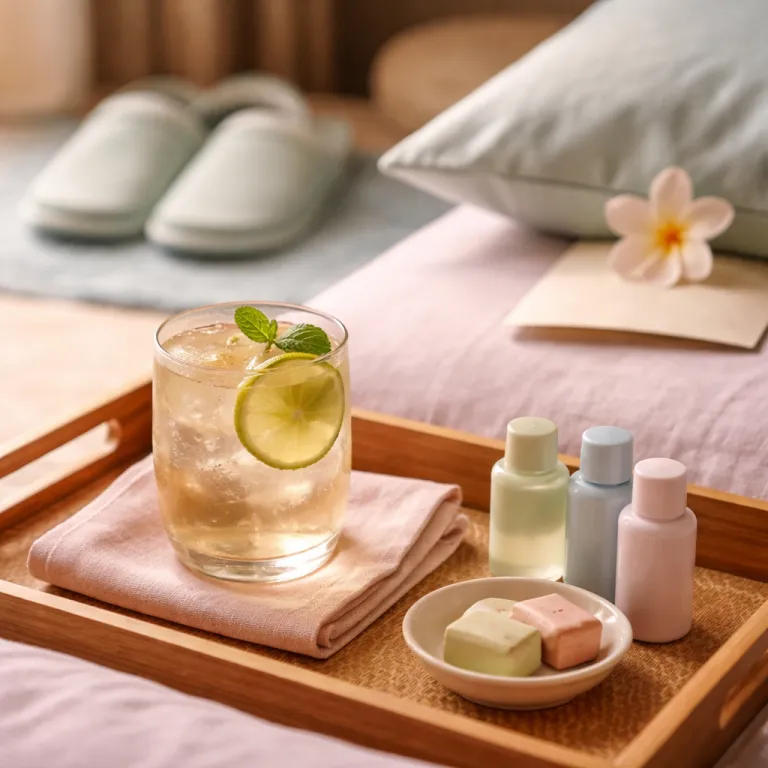
At a refined hotel Hà Nội property, staff in traditional attire may guide guests to low armchairs, place cool towels beside a small tray, then pour jasmine or lotus tea from a ceramic pot rather than a generic thermos. This is where Vietnamese hotel hospitality begins; the choice of tea, the vessel and the unhurried pace signal that you are being welcomed into a home, not processed through a lobby. As one Hà Nội front office manager explained in a 2023 training interview, “If we rush the tea, guests feel rushed for the rest of their stay.” Many hotels Vietnam wide now blend this ritual with modern expectations, offering a short explanation of the tea’s origin while another team quietly checks your rooms and confirms any special requests.
In Hồ Chí Minh City, The Myst Dong Khoi turns this into a sensory briefing on the city itself, pairing fragrant tea with candied ginger while staff sketch a street food map that outperforms many online guides. Travel writers covering the property have noted how this small ritual often becomes guests’ first real orientation to District 1. This is not about grand gestures or a vast resort lobby; it is about how a luxury hotel uses small details to slow you down after a long flight and prepare you for the rhythm outside. When you book a stay through a curated platform such as myvietnamstay.com, look for full review notes that mention welcome tea, because repeat guests rarely forget how that first sip felt.
Street food maps, motorbikes and the real concierge test
Vietnamese hotel service luxury reveals itself most clearly when you ask where to eat, because the answer shows whether a property trusts the city around it. Some hotels hand over a printed list of restaurants that feel safe, international and forgettable, while the best luxury hotels send you down alleys for bún chả, cơm tấm or bánh xèo that staff actually eat on their own days off. When a concierge circles a single phở stall on a worn paper map and offers to walk you there, you are seeing the difference between scripted service and lived expertise.
In Hà Nội, a strong luxury hotel will not push you toward the in house restaurant when the Old Quarter is ten minutes away on foot. Instead, staff might arrange a short motorbike ride with a trusted driver, turning the transfer into a moving city tour where you glide past Hoàn Kiếm Lake, check the evening traffic pulse and feel the air shift as you cross from French quarter to market streets. This is Vietnamese hotel service in motion; the motorbike becomes a more honest concierge than any black car, especially for couple travelers who want to feel the city rather than watch it through tinted glass. As one frequent guest told a local travel magazine, “That first ride through Hà Nội traffic with a hotel-recommended driver felt like a private tour, not just a transfer.”
In Hồ Chí Minh City, The Myst Dong Khoi leans into this philosophy by encouraging guests to explore District 1 on foot and by scooter, offering practical guidance on crossing streets and timing a sunset drink on the river. For a deeper look at how amenities support this style of immersion, the guide to elevated luxury hotel amenities in Vietnam explains why thoughtful transport options matter as much as any rooftop pool. When you read full property notes on myvietnamstay.com, prioritise hotels where staff talk about their favourite street food with the same pride they reserve for their suites.
Morning markets, spa rituals and the quiet choreography of rooms
The most convincing expression of Vietnamese hotel service luxury often unfolds before breakfast, when the city is still soft and the markets are fully awake. Some hotels resorts now offer concierge led morning market walks where guests follow chefs through narrow lanes, tasting herbs, checking fish freshness and watching how local families actually shop. This is not a staged cooking class; it is a working errand that doubles as cultural immersion.
At Azerai Cần Thơ, reached by boat rather than highway, staff sometimes invite guests to join early market runs before returning to the resort for a restrained, river facing breakfast. The same attention to rhythm continues in the spa, where therapists might use rice, coffee or herbal compresses sourced from those very stalls, turning a standard treatment into a narrative about the region. Azerai’s own wellness descriptions highlight how these ingredients are chosen to reflect the Mekong Delta’s farming traditions. When Vietnamese-style hotel service is done well, the transition from market to spa to rooms feels seamless, as if the entire property is quietly calibrated around your energy levels.
Across Vietnam, hotel staff are trained to prepare rooms with fresh flowers, handwritten notes and small local snacks rather than generic chocolates, a practice that reflects a national emphasis on personalised hospitality. As one internal training document summarises it, "Personalized greetings, traditional tea offerings, and departure ceremonies." These rituals, supported by local artisans and cultural consultants, help explain why guest satisfaction scores in the country remain consistently high and why couples often book the same hotel again for anniversaries. Public data from the Vietnam National Administration of Tourism shows that repeat visitors already account for a significant share of international arrivals, a pattern widely linked to positive hotel service experiences.
Villas, bays and the meaning of privacy in vietnamese hotel service luxury
On the coast, Vietnamese hotel service luxury takes a different shape, trading city noise for the sound of waves and boat engines. Here, the most telling rituals revolve around how a resort handles privacy, from the layout of villas to the way staff approach your pool deck. Privacy in Vietnam is rarely about isolation; it is about feeling looked after without being watched.
Six Senses Ninh Vân Bay, often shortened to Ninh Vân Bay in travel conversations, is a clear example of this balance. Guests arrive by boat to a dramatic sweep of granite and jungle, then are guided to villas with private pools where butlers manage to anticipate needs without hovering, arranging in villa breakfasts, discreet laundry pick ups and sunset cruises that feel unhurried. In guest feedback frequently cited by the resort, visitors praise how “staff appear exactly when needed, then disappear again into the landscape.” When you check availability for these villas private options, pay attention to how clearly the resort explains taxes and fees, because transparent pricing is another quiet marker of respect in Vietnamese luxury hospitality.
On Phú Quốc, several luxury hotels now offer pool suites and beachfront villas where couples can book a stay that alternates between spa time, snorkelling and long lunches under casuarina trees. The best hotels resorts on the island extend the privacy ritual to departure, sending guests off with small, handmade gifts rather than logo heavy souvenirs, a gesture that echoes the care shown at arrival. For a broader perspective on how elite properties manage these details, the analysis on elevating your luxury stay experience in Vietnam breaks down why these touches matter more than marble lobbies.
Departure gifts, return rates and how to read a vietnamese hotel
The final ritual in Vietnamese hotel service luxury happens when you leave, not when you arrive, and it often determines whether you will return. Some properties in Hà Nội, Hồ Chí Minh City or coastal hubs like Nha Trang and Côn Đảo still rely on branded keyrings or mass produced trinkets, which feel more like marketing than memory. Others partner with local artisans to send guests home with hand dyed scarves, small ceramics or packets of regional tea, each accompanied by a handwritten note.
Six Senses Ninh Vân Bay, Azerai Cần Thơ and The Myst Dong Khoi all understand that this final gesture closes the narrative they began at check in. When you view hotel options on a platform such as myvietnamstay.com, look for full review comments that mention meaningful departure moments, because they often correlate with higher guest return rates and stronger word of mouth. Industry briefings from the Vietnam Tourism Advisory Board in 2023 noted that personalised service and cultural immersion were among the top reasons international visitors said they would return to the country, often outranking room hardware.
For couples planning a first trip to Vietnam, the practical move is to read full property descriptions, check availability carefully and compare how each hotel talks about service rather than just rooms or beach access. Pay attention to whether a luxury hotel in Hồ Chí Minh City or a resort near Ninh Vân Bay mentions morning markets, street food guidance, motorbike options or thoughtful departure gifts, because these details reveal how deeply it understands local hospitality. When Vietnamese hotel service luxury is genuine, you leave feeling less like a customer and more like a temporary part of the household, already planning the next stay before the plane takes off.
FAQ
What are the most common Vietnamese hotel rituals I should expect?
Across Vietnam, you can expect personalised greetings, a welcome tea service, careful room preparation and a small farewell gesture at departure. These rituals appear in both city hotels and coastal resorts, though the style changes between Hà Nội, Hồ Chí Minh City and the islands. The most refined properties weave these moments into a coherent story rather than treating them as isolated performances.
How do Vietnamese luxury hotels personalise service for couples?
Vietnamese luxury hotels usually begin by asking about your preferences before or at check in, then quietly adjusting details such as pillow types, minibar contents and suggested activities. Many properties create tailored itineraries that combine street food walks, spa treatments and time by the pool or beach, timed around your energy levels. In the best cases, staff remember your routines across several days, so each morning and evening feels smoother than the last.
Why is tea offered upon arrival in many Vietnamese hotels?
Tea on arrival is a traditional symbol of hospitality in Vietnam, signalling that you are a guest first and a customer second. The choice of tea, the serving vessel and the pace of the ritual all communicate how seriously a hotel takes cultural detail. When the tea is thoughtfully sourced and explained, it often sets the tone for a stay that feels grounded in place rather than generic.
How can I tell if a hotel in Vietnam truly understands local culture?
Look for signs such as staff recommending specific street food stalls, offering motorbike or walking options instead of only cars, and organising genuine market visits rather than staged shows. Properties that collaborate with local artisans for amenities or departure gifts usually have a deeper connection to their surroundings. Reviews that mention these touches are often more reliable than those focused only on room size or pool design.
Are international chains in Vietnam as authentic as local luxury brands?
Some international chains in Vietnam have invested heavily in cultural training and local partnerships, while others rely on a global template that can feel detached from the country. Local or regionally rooted brands often have an advantage in rituals such as welcome tea, street food guidance and market experiences, because these are part of their own daily lives. When choosing, compare how each property talks about neighbourhoods, food and traditions rather than just brand standards.