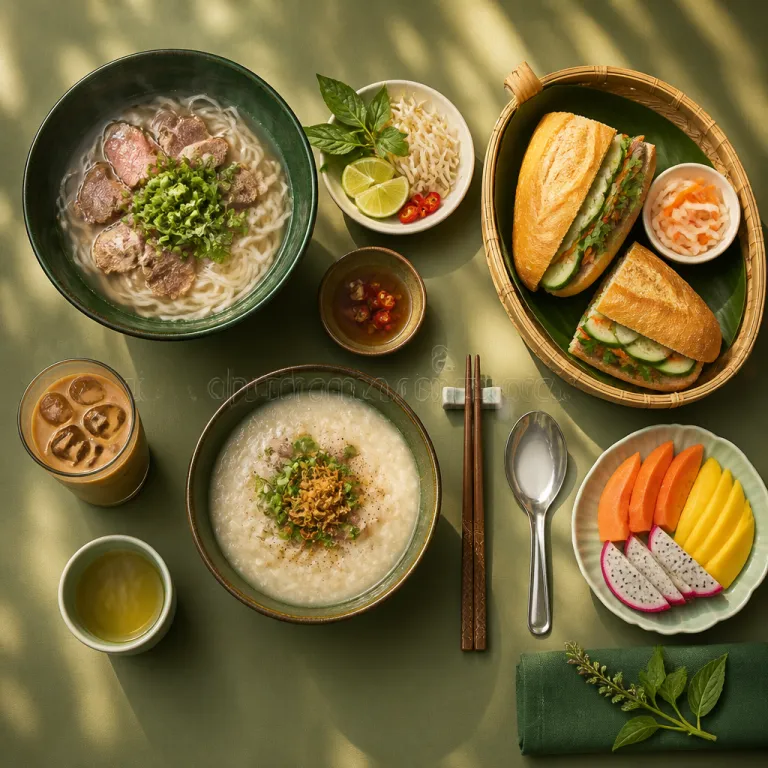
The phở station test: how vietnam hotel breakfast dining shows real intent
Walk into any luxury hotel in Vietnam at 7:00 and head straight for the phở or noodle soup corner. The way that single station operates will tell you more about the hotel’s soul than any marble lobby or sky bar with a postcard view of the city. A serious property treats breakfast as theatre and craft, while a lazy one hides behind a generic breakfast buffet and hopes you will not look too closely.
At the best hotels, a cook stands behind simmering pots of beef or chicken broth, ladling over rice noodles only when you order and layering on fresh herbs with quiet precision. You hear the soft clink of porcelain, watch thin slices of grilled pork or brisket poach to order and see steam rise as if the kitchen has just opened a window onto the street outside. In weaker hotels, the phở sits in a lukewarm vat, noodles already bloated and the Vietnamese flavors dulled, a performative gesture that signals cost control rather than care.
This is where a hotel’s morning service separates the properties that respect Vietnamese breakfast culture from those that simply copy a template. A committed restaurant team will ask how you like your noodle soup, whether you want extra rice noodles, more chili or fewer fresh herbs, and they will remember your preferences the next morning. When Hotel Management understands that “Breakfast quality reflects hotel standards.” and that “It reflects the hotel's quality and offers guests a taste of local culture.” they invest in professional kitchen staff and fresh local ingredients rather than just more pastries.
In Hanoi, near Hồ Hoàn Kiếm, you see this clearly in hotels that serve phở gà with proper lime, basil and sawtooth coriander, not just a token plate of herbs. Some rooms suites even include a small card explaining where locals eat their morning bowl in the surrounding district, turning breakfast into a map of the city rather than a sealed international bubble. One Hanoi food writer described a stay where the chef quietly suggested a nearby phở stall after serving her noodle soup at the buffet; she later wrote that this “felt like being handed a key to the neighborhood.” That is Vietnam hotel breakfast dining at its most honest, where what you eat at 7:30 mirrors what the locals eat at 7:30 two streets away.
Regional vietnamese breakfast identity: from Hà Nội to Hội An and beyond
A thoughtful hotel in Vietnam does not serve the same Vietnamese breakfast in Hà Nội, Đà Nẵng and Hồ Chí Minh City and call it a day. It leans into regional dishes so that what you eat in each city feels anchored to the streets outside, not to a central purchasing spreadsheet. When you book luxury hotels through a curated platform, this regional intelligence around breakfast becomes as important as the spa menu or the size of your room.
In Hà Nội, a strong property near Hồ Hoàn Kiếm might offer bánh cuốn, xôi and bún riêu alongside phở, with staff able to explain in clear English what locals eat in the Old Quarter. Down in Hội An, a riverside hotel that understands local morning rituals will serve cao lầu with chewy rice noodles, local greens and grilled pork, not just a generic noodle soup copied from another region. In Đà Nẵng, mì Quảng appears with fresh herbs and toasted peanuts, while in Huế you might see bánh bèo and other central specialties that rarely appear in international hotels.
On the islands, the breakfast buffet becomes a test of whether the hotel uses its isolation as an excuse or as inspiration. A resort on Phú Quốc that cares about its restaurant program will bring in fishermen’s catch for the breakfast buffet, grill small fillets to order and pair them with rice, pickles and tropical fruit that still tastes fresh. If you are planning a stay there, read guides to the island’s emerging restaurant scene and night markets, such as the piece on Phú Quốc beyond the resort gates, then ask whether the hotel’s breakfast offers any of those same flavors.
Couples who care about food should look for hotels where the morning spread changes slightly every day to reflect what is fresh in the market. When a property rotates bánh xèo, bún riêu and cao lầu through the week, you know the kitchen is thinking about more than just lunch dinner service. As one executive chef in Đà Nẵng put it in a local interview, “If our guests see the same noodle soup every morning, they assume the rest of the menu is on autopilot.” That attention to regional Vietnamese flavors at breakfast usually signals a restaurant that will be worth booking again in the evening, even in a city packed with excellent street food.
The egg station hierarchy and the english vietnamese balancing act
Once you have judged the phở, walk over to the egg station and the pastry corner, because this is where Vietnam hotel breakfast dining reveals how well a property speaks both English and Vietnamese on the plate. International guests expect an omelet to order, but the best hotels go further and use eggs to bridge cultures rather than to escape them. You might see trứng ốp la with local sausage next to a perfect poached egg on sourdough, or a small corner dedicated to cà phê trứng, the famous Hanoi egg coffee.
In Hà Nội, properties like Capella Hanoi have shown how a hotel can turn egg coffee into a quiet morning ritual, recreating the city’s cà phê trứng tradition with bar staff who understand both technique and story.1 In Hồ Chí Minh City, the most ambitious hotels now treat breakfast as the first chapter of their fine dining narrative, aligning the morning restaurant experience with the city’s growing reputation as a serious culinary capital. If you are researching where to stay, read about Hồ Chí Minh City’s fine dining evolution and then ask whether your chosen hotel’s breakfast buffet lives up to that energy.
The quiet detail to watch is how the hotel handles the English Vietnamese divide in its breakfast culture. Menus that simply translate “noodle soup” or “rice noodles” without context feel like an afterthought, while better hotels explain how locals eat each dish and when you might see it on the street. Staff who can switch between English and Vietnamese comfortably at the egg station, asking whether you prefer your bánh mì with grilled pork or eggs, usually belong to a team that has been properly trained by engaged Hotel Management.
Even the dress code around breakfast tells you something about the property’s character. A relaxed but discreet approach, where guests can come down from their room in resort wear yet still feel that the bar and restaurant spaces are cared for, signals a hotel that understands modern luxury. When that same hotel offers both a strong cappuccino and a proper cà phê phin, you know it respects global expectations without diluting Vietnamese breakfast identity.
Coffee, fruit and the quiet signals of a serious breakfast culture
If phở is the headline act of Vietnam hotel breakfast dining, coffee and fruit are the supporting characters that quietly reveal the hotel’s priorities. Vietnam is one of the world’s great coffee countries, yet many hotels still hide behind anonymous espresso machines and pre ground beans. A property that takes its morning service seriously will offer both espresso and cà phê phin, letting you taste robusta in its traditional slow drip form.
Watch how the bar team handles orders when the breakfast room is full and the city outside is already humming. Do they know how to balance a flat white with a strong cà phê sữa đá, or does everything taste the same regardless of what you ask for in English or Vietnamese. Hotels that train their staff properly will talk you through the difference, explaining how locals eat a small sweet pastry with their coffee in Hà Nội versus how people in Hồ Chí Minh City might pair it with something savory.
Fruit is another non negotiable test. In a country where markets overflow with dragon fruit, mango, pomelo and mangosteen, a plate of tired melon at a breakfast buffet is a red flag for the entire restaurant operation. The best hotels in Vietnam source fresh produce from local farmers, slice it just before service and present it in a way that feels generous rather than decorative, often alongside yogurt, rice dishes and light Vietnamese breakfast options.
Well run hotels also understand that many guests now want lighter starts before a long spa day or a busy city itinerary. You might see a corner with fresh herbs, salads and small portions of grilled pork or fish, allowing you to eat like locals eat when they are heading to work, not just like tourists on holiday. When a property aligns its wellness philosophy with its breakfast culture, as some of the country’s leading spa resorts do, you can feel that coherence from the first sip of coffee to the last slice of fruit.
Five hotels where breakfast alone justifies the rate
Across Vietnam there are hotels where you could almost justify the nightly rate on breakfast alone. These are the places where the morning spread feels like a curated tasting menu rather than a contractual obligation, and where Hotel Management clearly understands that early service shapes reputation. They are also the properties that tend to score highest with guests who care about food, because the same discipline usually runs through lunch dinner and room service.
In Hà Nội, look for high end hotels around Hồ Hoàn Kiếm that serve bún riêu, bánh cuốn and a proper noodle soup station with fresh herbs and crisp vegetables, not just a token Vietnamese breakfast corner. In Hội An, certain riverside hotels offer cao lầu with hand cut rice noodles, grilled pork and local greens, alongside western classics and a thoughtful English Vietnamese pastry selection. Down in Hồ Chí Minh City, some District 1 hotels now run breakfast like a soft opening for their evening restaurant, with a bar team shaking cold brew, a sky bar terrace opening early and chefs plating bánh xèo to order.
Resort wise, properties such as Amanoi or Four Seasons The Nam Hai show how a strong spa philosophy can extend into breakfast culture.2 Their restaurants often use the same fresh herbs and vegetables grown for wellness menus in the morning noodle soup, and their rooms suites sometimes include small cards suggesting what locals eat in nearby villages. For a deeper look at how these resorts think about wellness and dining together, read the analysis of three spa philosophies that define Vietnam and then compare that mindset with how they handle breakfast.
On the islands and along the coast, the best hotels offers a mix of Vietnamese and international options without diluting either. You might start with a plate of tropical fruit and yogurt, move to bánh xèo or bún riêu, then finish with an omelet and sourdough while the restaurant opens window panels to the sea breeze. When a hotel can take you on that journey in one sitting, speaking both English and Vietnamese through its food, you know you are staying somewhere that understands exactly why breakfast is the most honest measure of its character.
FAQ
Why is breakfast such an important test for hotels in Vietnam ?
Breakfast in Vietnam compresses everything a hotel believes about hospitality into a single meal. It shows whether the kitchen respects local Vietnamese breakfast dishes like phở, bánh xèo or bún riêu, or hides behind a generic breakfast buffet. As one industry explanation puts it, “It reflects the hotel's quality and offers guests a taste of local culture.”
What are the most common vietnamese breakfast dishes I should try in hotels ?
Across the country, phở, bánh mì and xôi are the most frequently offered Vietnamese breakfast dishes in hotels. In central regions you may also see cao lầu, mì Quảng and various rice noodle soups, while in the south hủ tiếu and bún riêu appear more often. A good hotel restaurant will rotate these through the week so you can eat like locals eat in each city.
How early should I go to the breakfast buffet in Vietnamese hotels ?
Most upscale hotels in Vietnam start breakfast service around 6:00 and wind down by late morning. Arriving in the first hour usually means fresher food, shorter queues at the noodle soup and egg stations and a calmer room. If you want the best selection of fruit and pastries, follow the simple rule many regular guests use and arrive early to avoid crowds.
Do most travelers in Vietnam book hotels with breakfast included ?
Data from major booking platforms shows that a significant share of Vietnamese travelers choose hotel rates that include breakfast. One survey by Agoda in 2023 reported that just over four out of ten domestic travelers prefer to have breakfast bundled into their stay, which underlines how central the morning meal is to perceived value.3 For international guests, including breakfast also simplifies planning in dense districts where restaurant choices can feel overwhelming at first.
How can I tell from photos or reviews if a hotel has a good breakfast ?
Look for images of a live noodle soup or phở station, clear shots of fresh herbs and vegetables and signs of regional dishes rather than only pastries and cereal. Reviews that mention specific items such as cao lầu in Hội An, strong cà phê phin or a well organized egg station usually indicate a serious breakfast culture. When guests praise both the Vietnamese options and the western choices in the same paragraph, that balance is a strong indicator of quality.
1 Based on Capella Hanoi’s published descriptions of its egg coffee service and media coverage of its breakfast program at the time of writing.
2 Drawn from publicly available resort materials and third party reviews describing breakfast and wellness offerings at Amanoi and Four Seasons The Nam Hai.
3 Agoda, “Travel Trend Survey 2023” (summary figures on Vietnamese travelers’ preference for breakfast-inclusive hotel rates).