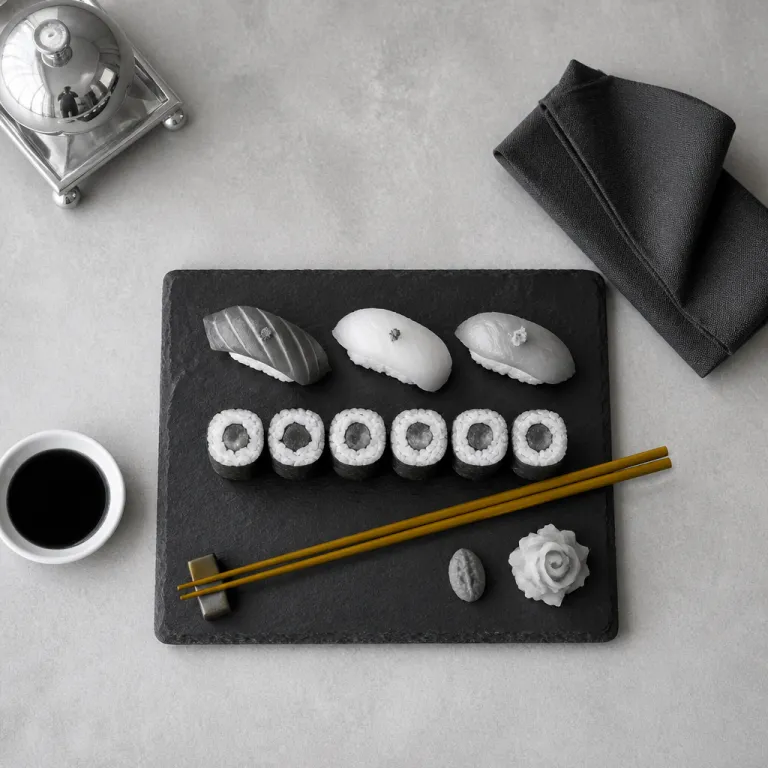
Ho Chi Minh City sushi: omakase and luxury hotel dining in Saigon
Ho Chi Minh sushi for luxury travelers staying in the city
Ho Chi Minh City sushi has become a quiet obsession for many luxury travelers. In a metropolis where French heritage, Vietnamese street food and Japanese precision coexist, refined sushi restaurants now sit comfortably beside five star hotel lobbies. For guests booking premium rooms in Saigon, planning where to enjoy sushi and sashimi can feel as important as choosing the right suite.
The city centre around District 1 and District 3 concentrates many of the best Japanese addresses, yet each district offers a different dining experience. Close to the Đồng Khởi area and Bến Nghé Ward, you can step from a marble hotel lobby straight into an intimate omakase counter. Further out toward Thảo Điền in Thủ Đức City, Ho Chi Minh City sushi restaurants lean into relaxed riverside energy while still serving precise nigiri and refined Japanese dishes.
Luxury hotel concierges now curate sushi focused itineraries that pair rooms, restaurants and transport into one seamless experience. They know that guests asking about Ho Chi Minh City dining often want both iconic Vietnamese street food and a polished omakase counter in the same evening. One District 1 concierge described a typical request as “pho at sunset, then a late sushi seating within ten minutes of the hotel.” When you book a premium stay in the city, it is worth asking in advance which Japanese restaurants they recommend and whether they can secure late opening hours or preferred counter seats.
Key Ho Chi Minh sushi districts around luxury hotels
District 1 remains the strategic base for most visitors who want fast access to both business meetings and the best sushi counters in Ho Chi Minh City. Around Nguyễn Huệ, Đồng Khởi and Bến Nghé, international hotels sit within a few minutes’ walk of serious Japanese restaurants and more casual sushi and sashimi bars. This compact city core makes it easy to move between a rooftop cocktail, an omakase experience and a riverside nightcap without long transfers.
In District 3 and the historic Tân Định and Võ Thị Sáu areas, you find a quieter, more residential atmosphere that still hides excellent Japanese food. Here, sushi venues often occupy converted villas, giving a sense of privacy that appeals to business travelers and couples. The ward layout can feel complex on a first visit, so using hotel car services or ride hailing apps is wise when you have a fixed omakase reservation time.
Thủ Đức City, especially Thảo Điền, has become a second hub for Japanese restaurants that serve both families and long stay guests. Many premium serviced residences cluster here, and residents treat local omakase restaurants as their regular neighborhood dining rooms. If your Ho Chi Minh City trip is longer than a few nights, consider splitting your stay between central Saigon and this riverside district to experience two very different sushi scenes.
Fine dining Ho Chi Minh sushi inside and around hotel restaurants
Luxury hotels in Ho Chi Minh City increasingly treat their own restaurants as independent culinary destinations. Some properties operate Japanese dining rooms that rival stand alone omakase counters in both ingredients and technique, while others partner with external chefs to host sushi pop ups. For travelers, this means you can enjoy a serious tasting menu built around sushi without ever leaving the building on a busy workday.
When a hotel restaurant focuses on Japanese cuisine, ask whether the sushi chef has trained in Japan and how often they receive fresh seafood deliveries. High end properties will be transparent about sourcing, explaining which ingredients come from local waters and which arrive from Japan to support premium sashimi. One executive chef noted that “tuna and uni still fly in from Tokyo, but we rely on Vietnamese prawns and clams for seasonal specials.” This level of detail is a strong indicator that the hotel takes its Japanese food program as seriously as its room product.
Some of the most memorable Ho Chi Minh City sushi evenings happen when guests pair a hotel’s signature bar with an external omakase reservation. You might start with a drink at a sky bar, then transfer by car to a nearby Japanese restaurant for a late seating. For inspiration on elevated pre dinner drinks, you can explore this guide to Vietnam’s hotel restaurants worth a detour, which highlights properties where the dining experience stands on its own.
How to read menus, price range and price VND
Menu structures in Ho Chi Minh City sushi venues vary from à la carte nigiri and sashimi to full omakase courses. In hotel restaurants, you often see a clear price range in VND for set menus, alongside seasonal specials that reflect the chef’s current ingredients. When comparing options, always check whether the listed price in VND includes service charge and tax, as this can add a noticeable percentage at luxury level.
Outside hotels, many Japanese restaurants still present bilingual menus, but the detail can differ between venues. Some will list each piece of sushi with its individual price in VND, while others focus on combination platters and leave the omakase experience to a separate page. If you are planning several Japanese meals during a short stay, it helps to decide in advance how many nights you want a premium omakase and how many you prefer more casual izakaya style dining.
Concierges can often provide an estimated range in VND for popular omakase restaurants before you book. This is especially useful when you are hosting clients and need to align the expected price with your company policy. For personal trips, knowing the approximate price range in VND also lets you balance sushi nights with other Saigon dining experiences, from Vietnamese tasting menus to refined interpretations of street food.
Omakase experience in Ho Chi Minh City for hotel guests
The omakase experience, where you entrust the menu to the chef, has taken deep root in Ho Chi Minh City. In a place that already values hospitality and ceremony, this Japanese format feels surprisingly natural to local diners and international travelers alike. For guests staying in luxury hotels, securing a counter seat at a respected omakase restaurant has become a highlight of any city itinerary.
Top omakase restaurants in Saigon focus on intimacy, often limiting the counter to fewer than a dozen seats. This scale allows the chef to adjust seasoning, pacing and even the order of sushi pieces based on each guest’s reactions. One frequent visitor described it as “dinner and theatre in one, with the chef reading the room as carefully as the fish.” When you book, ask your concierge to request seats directly in front of the head chef, as this position usually offers the most engaging dining experience.
Many omakase menus in Ho Chi Minh City blend fish flown from Japan with local seafood, reflecting the country’s long coastline. You might taste pristine tuna followed by a course that highlights Vietnamese prawns or local clams, all prepared with Japanese technique. This combination respects Japanese tradition while acknowledging that Saigon has its own ingredients worth celebrating.
From yuzu omakase to sake pairings
Some sushi counters now offer themed menus such as a yuzu omakase, where the fragrant Japanese citrus appears in dressings, marinades and desserts. These menus often run for a limited duration and can be popular with repeat guests who want a fresh omakase experience. If you are planning a special occasion during your stay, asking about seasonal or yuzu focused courses can lead to a more distinctive evening.
Sake pairings are another area where omakase restaurants in Ho Chi Minh City show ambition. Many curate lists that include both familiar labels and small producers from Japan, chosen to complement the progression from lighter sashimi to richer grilled dishes. When you sit at the counter, do not hesitate to ask the chef or sommelier to explain why a particular sake has been matched with a specific piece of sushi.
For a broader perspective on how the city is evolving, you can read this analysis of Ho Chi Minh City as an ambitious fine dining destination. It helps frame omakase restaurants within the wider Saigon dining experience, from Vietnamese tasting menus to European kitchens. Understanding this context makes it easier to decide how many nights of your trip you want to dedicate to Japanese food versus other cuisines.
Planning Ho Chi Minh sushi nights from your luxury hotel
Thoughtful planning turns a simple sushi dinner in Ho Chi Minh City into a seamless evening that fits your travel rhythm. Start by mapping restaurants against your hotel location, traffic patterns and meeting schedule, especially if you are staying in central Saigon. In District 1, walking is often realistic for dinners, while in more spread out areas of the city you may prefer hotel cars.
When you shortlist Japanese restaurants, pay close attention to opening hours and last order times. Omakase counters in particular may offer only two seatings per night, with strict start times that require punctual arrival from your hotel. If your day includes late meetings, consider choosing a venue with a slightly later second seating to avoid rushing through the city.
Concierges at luxury properties handle sushi reservations daily and know which restaurants respond fastest. They can also advise whether a venue is better for quiet conversation, counter interaction with the chef or a more celebratory dining experience. For popular omakase restaurants, asking your hotel to reconfirm the booking on the day of the meal is a simple but effective safeguard.
Balancing sushi with Saigon street food and rooftop bars
Many travelers want both refined sushi in Ho Chi Minh City and the energy of Saigon street food during the same trip. One effective strategy is to alternate evenings, dedicating one night to an omakase experience and the next to guided street food exploration. This rhythm keeps your palate engaged and prevents fine dining fatigue, especially on longer stays.
Another approach is to combine formats within a single night, starting with a light street food tasting before a later sushi reservation. If you choose this route, be careful not to arrive at the Japanese restaurant already full, as omakase menus are carefully calibrated in portion size. Your hotel concierge or private guide can help design a route that respects both timing and appetite.
To extend the evening, many guests pair sushi dinners with rooftop cocktails that showcase the city skyline. For ideas on where to go after your omakase restaurant, consult this feature on hotel rooftop bars rewriting Saigon’s cocktail scene. Planning these combinations in advance ensures that your sushi nights feel curated rather than improvised.
Notable Ho Chi Minh sushi names and how they fit your stay
Among the many sushi options in Ho Chi Minh City, a few names recur frequently in conversations with concierges and frequent visitors. Sushi Aoyama is often highlighted for its authentic Edomae style, with Japanese chefs focusing on precise rice work and carefully aged fish. Ikigai Sushi, by contrast, leans into contemporary Japanese cuisine that integrates fresh ingredients in a slightly more relaxed setting.
Mayonaka Sushi has earned strong traveler ratings on major review platforms, making it a reliable choice if you value peer feedback when selecting restaurants. Sushi Hokkaido Sachi offers a broad menu that can work well for mixed groups where some guests want classic sushi and sashimi while others prefer cooked Japanese food. Saiko Sushi stands out for combining Japanese cooking methods with Vietnamese ingredients, which can be appealing if you want a sense of place in your sushi experience.
Local guidance and online reviews often echo the statement that “Sushi Aoyama is highly rated for authentic Edomae sushi.” This aligns with feedback from hotel concierges who regularly book counter seats there for guests seeking a traditional expression of Ho Chi Minh City sushi. When planning your stay, consider mixing one or two of these established names with a newer omakase restaurant recommended by your hotel for a balanced view of the city scene.
Understanding Japan town pockets and emerging neighborhoods
Ho Chi Minh City does not have a single formal Japan Town, but several streets and alleys function as informal clusters. Around Lê Thánh Tôn and Thái Văn Lung in District 1, you will find dense concentrations of Japanese restaurants, bars and services. For a visitor staying nearby, this micro Japan town atmosphere makes it easy to sample multiple sushi venues over a few nights.
Beyond the core, smaller pockets of Japanese influence appear in areas like Phú Mỹ Hưng and Thảo Điền. These neighborhoods often host a mix of family friendly restaurants and more serious omakase counters that cater to long term residents. If your hotel is located in these districts, you may find that excellent sushi and omakase options sit within a short walk or a brief taxi ride.
As the city evolves, new Japanese restaurants continue to open in emerging business corridors and residential zones. Luxury travelers who return regularly to Ho Chi Minh City often enjoy asking concierges which omakase counters or sushi bars have opened since their last visit. This habit keeps your dining experiences fresh and aligned with the city’s rapid culinary development.
How pricing, currency and value work for Ho Chi Minh sushi
Understanding pricing helps you evaluate value when comparing sushi options in Ho Chi Minh City from a luxury traveler’s perspective. In central Saigon, serious omakase menus typically sit in a mid to high price range in VND, reflecting both imported ingredients and skilled labor. Casual Japanese restaurants and sushi bars remain more accessible, allowing you to enjoy multiple meals without straining your budget.
When you see a listed price in VND for an omakase course, check whether it includes extras such as dessert or tea. Some venues also offer premium supplements, like additional toro or uni, which can raise the final price but significantly enhance the dining experience. If you are hosting clients, it is wise to clarify these details in advance so the final bill aligns with your expectations.
Hotel concierges can often provide a practical range in VND for different categories of Japanese restaurants. They might explain that a casual sushi meal in a neighborhood spot falls into one band, while a top tier omakase experience in District 1 occupies a higher bracket. This guidance allows you to plan a balanced sequence of meals across your stay, mixing high impact evenings with more relaxed nights.
Payment habits and reservation etiquette
Most serious sushi venues in Ho Chi Minh City accept major credit cards, but it remains sensible to carry some cash in VND for taxis and smaller establishments. When booking through your hotel, ask whether the restaurant requires a deposit for omakase reservations, especially for larger groups. Clear communication about cancellation policies protects both your schedule and the restaurant’s planning.
Arriving on time is essential for omakase restaurants, as the chef structures the meal around a fixed progression. If you anticipate delays due to city traffic or extended meetings, inform your concierge early so they can coordinate with the restaurant. Respecting these norms not only shows courtesy but also increases the likelihood of receiving the best possible service and counter placement.
For guests who value privacy, some Japanese restaurants offer private rooms where sushi and other dishes are served in a more secluded setting. These spaces can be ideal for business discussions or family celebrations, though they may carry a higher minimum price in VND. Asking about such options when you book your hotel can help align your sushi plans with the tone of your trip.
Statistics: Ho Chi Minh sushi and Japanese dining in the city
- Local business directories and mapping platforms list dozens of sushi focused restaurants currently operating in Ho Chi Minh City, giving travelers a broad spectrum from casual spots to high end omakase counters. Exact numbers change frequently as venues open and close.
- On major review sites, many of the city’s leading sushi restaurants hold average ratings around 4.5 stars out of 5, indicating consistently strong guest satisfaction with both food quality and service at the time of writing.
- Omakase dining has grown rapidly in Saigon over the past decade, with more venues adopting this format to meet rising demand from both local residents and international hotel guests seeking curated experiences.
- Many leading Japanese restaurants now combine imported seafood from Japan with locally sourced ingredients, supporting regional fisheries while maintaining the precision expected from serious sushi kitchens.
FAQ: planning Ho Chi Minh sushi during a luxury hotel stay
What is the best sushi restaurant in Ho Chi Minh City ?
According to verified local guidance and widely cited online reviews, “Sushi Aoyama is highly rated for authentic Edomae sushi.” This makes it a strong candidate if you want a traditional counter experience with Japanese chefs while staying in a central hotel. Concierges often recommend booking well in advance, especially for weekend seatings.
Are there affordable sushi options in Ho Chi Minh City ?
Yes, there are many accessible sushi venues in Ho Chi Minh City that offer good quality at moderate prices. Casual Japanese restaurants and conveyor belt concepts provide sushi, sashimi and cooked dishes at a lower price range in VND than premium omakase counters. These spots can be ideal for relaxed evenings between more elaborate fine dining experiences.
Do sushi restaurants in Ho Chi Minh City offer delivery ?
Some Japanese restaurants in the city provide delivery or takeaway, particularly those with broader menus beyond pure omakase. Hotel concierges can help identify which sushi venues deliver to your property and how to place orders. For high end omakase restaurants, the full experience usually requires dining on site at the counter.
Should I make reservations in advance for omakase restaurants ?
Advance reservations are strongly recommended for serious omakase restaurants in Ho Chi Minh City. Counter seating is limited, and popular time slots can fill quickly, especially near major business events or holidays. Using your hotel concierge to secure and reconfirm bookings adds an extra layer of reliability.
How can I combine sushi with other dining experiences in Saigon ?
A balanced itinerary might include one or two omakase dinners, several casual sushi meals and nights dedicated to Vietnamese street food or modern local cuisine. Many travelers also enjoy pairing sushi evenings with rooftop cocktails or hotel bar experiences for a complete night out. Planning this mix with your concierge ensures that logistics, timing and budgets align smoothly across your stay.