How hotel design architecture in Vietnam shapes your stay
Hotel design architecture in Vietnam is not background decor ; it is the main storyline of your trip. Across the country, architecture and interior design in each hotel quietly dictate how you sleep, how you move, and even how you taste that first morning cà phê. When you choose hotels through myvietnamstay.com, you are effectively choosing which chapter of city Vietnam you want to inhabit for a few nights.
From Hà Nội Vietnam to Hồ Chí Minh City, the best architecture is never just about looks ; it is about how the building edits noise, light, and tropical air. A high quality Vietnam hotel with thoughtful architecture design will channel breezes, frame views, and use materials that feel right in the climate, not just right on Instagram. That is why the most interesting projects in Vietnam now come from architects and each design studio that treat every hotel as both a house Vietnam for guests and a small piece of the city’s fabric.
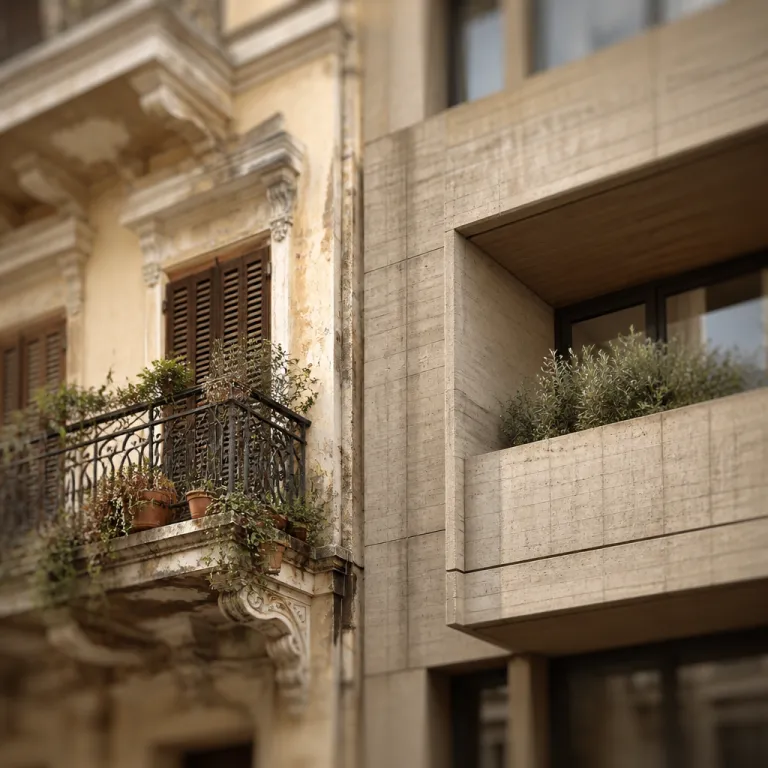
Across the country, you will see French colonial facades, raw concrete towers, and low slung tropical resort pavilions coexisting in one sweeping architectural design landscape. These hotels are not isolated objects ; they are part of larger projects that include streets, rivers, and beaches from Hà Nội to Nha Trang and Phú Quốc. Understanding this mix of design style and architecture interior details helps you choose the Vietnam hotel that matches how you like to travel.
The French colonial layer: Hà Nội’s grand dames and riverfront legends
French colonial architecture in Vietnam hotel design is where many travelers first fall for the country’s visual language. In Hà Nội Vietnam, the Sofitel Legend Metropole Hanoi anchors the French Quarter with white façades, green shutters, and a courtyard that feels like a private house more than a city hotel. Its architecture interior balances period details with quiet luxury, so you step from chaotic streets into a world of polished wood, ceiling fans, and measured calm.
Nearby, Fairmont Hanoi shows how a modern company can reinterpret French colonial and Indochinese architecture design without slipping into nostalgia. The building’s architectural design uses strong lines and a restrained palette, while interior design layers in Vietnamese textures and patterns that keep the hotel grounded in Hà Nội rather than in a generic international city. For travelers comparing hotels, this kind of design style matters because it shapes everything from corridor acoustics to how natural light reaches your breakfast table.
Further south in Huế, Azerai La Residence sits on the Perfume River in a former governor’s house, a textbook example of Art Deco filtered through French colonial history. The resort’s curved balconies, porthole windows, and riverside lawns show how older house Vietnam forms can be adapted into luxury hotels without losing their soul. If you care about hotel design architecture in Vietnam, these properties are essential stops because they prove that awards for best architecture are often earned through restraint, not excess.
Concrete chic in Hồ Chí Minh City: from alleyway towers to skyline icons
In Hồ Chí Minh City, concrete is the new silk, and hotel design architecture in Vietnam has rarely been bolder. The Myst Dong Khoi leans into a kind of tropical brutalism, with exposed concrete, dense greenery, and an architecture interior that feels like a Saigon house stretched into a vertical maze. You get terraces that catch river breezes, corridors that open to the sky, and a design style that makes the city itself part of the décor.
Across town, The Reverie Saigon occupies the Times Square tower and flips the script with unapologetic Italian opulence layered over a sharp architectural design. Here, the company behind the project uses high quality materials, intricate interior design, and a skyline position to create one of the most theatrical hotels in city Vietnam. It is not subtle, but for some travelers, this kind of luxury hotel is exactly the right stage for a few nights in Hồ Chí Minh.
Smaller projects in Hồ Chí Minh City and in nearby Minh City districts show how local architects are experimenting with concrete, shade, and plants to create urban resorts in the sky. M Hotel, a 25 storey property by Hồ Khue Architects, uses cascading greenery and sculptural concrete forms to soften the tropical heat and noise. For guests, this means that hotel design architecture in Vietnam can deliver both drama and comfort, turning a dense city into a surprisingly calm house above the streets.
Coastal Vietnam: tropical resorts where architecture edits the landscape
Along the coast, hotel design architecture in Vietnam becomes a conversation with sand, wind, and salt. At Amanoi near Vĩnh Hy Bay, pavilions perch on cliffs like discreet houses, using timber, stone, and wide eaves to manage tropical light and heat. The resort’s architecture design ensures that every villa feels like a private house Vietnam, while shared spaces frame the bay as if it were a changing artwork.
In Đà Nẵng, Naman Retreat shows how Vietnamese architects use bamboo, concrete, and vegetation to create a tropical resort that breathes. Vo Trong Nghĩa’s architectural design relies on porous walls, shaded courtyards, and vertical gardens that cool naturally, reducing the need for heavy air conditioning. For travelers, this kind of hotel design means quieter rooms, softer air, and a more direct connection to the coastal landscape.
Further up the coast in Nha Trang, newer hotels and resorts are experimenting with design style that mixes glass towers with planted terraces and open air lobbies. Some of the best architecture here comes from a design studio that understands how to orient rooms for sunrise over the bay while shielding them from harsh afternoon glare. When you book these Vietnam hotel projects, you are choosing architecture interior solutions that make early swims, balcony coffees, and sea breezes part of your daily rhythm.
Island experiments: Phú Quốc and the new resort playground
Phú Quốc has become a testing ground for hotel design architecture in Vietnam, from campus style resorts to intimate coastal retreats. JW Marriott Phu Quoc Emerald Bay, for example, spreads across the shoreline like a fictional university, using bold colors, concrete structures, and whimsical interior design to create a self contained world. The architecture design here is theatrical, but it still respects tropical realities with shaded walkways, courtyards, and sea facing pools.
On other parts of Phú Quốc, smaller luxury resorts and Vietnam hotel projects are working with architects to create low rise compounds that sit lightly on the land. These properties often use local stone, timber, and planted roofs, blending house Vietnam traditions with contemporary architectural design. For guests, the result is a design style where you move between villa, pool, and beach under continuous shade, with natural ventilation doing as much work as the air conditioning.
As more awards for best architecture and awards finalist shortlists highlight Phú Quốc resorts, travelers can use those signals as a filter when booking. An awards winner label from a respected architecture or interior design body usually indicates that a design studio has thought carefully about circulation, light, and privacy. On myvietnamstay.com, we track these awards alongside on the ground experience, so you can see which hotels turn design ambition into genuinely high quality stays.
UNESCO rules and alley realities: when regulations shape design
In Hội An’s Ancient Town, hotel design architecture in Vietnam is tightly controlled by UNESCO era building codes. Within the protected core, height limits, roof pitches, and façade treatments are regulated, so many hotels occupy restored merchant houses with timber frames and tiled roofs. This creates an architecture interior that feels intimate and low lit, perfect if you like your luxury wrapped in history rather than glass.
Just beyond the strictest zone, new hotels use architectural design tricks to echo Hội An’s silhouettes while adding modern comforts. You will see courtyards that recall traditional house Vietnam layouts, but with pools, spa rooms, and refined interior design layered in. For travelers, this means you can sleep in a Vietnam hotel that respects best architecture principles for heritage while still offering strong showers, quiet air conditioning, and thoughtful lighting.
Elsewhere in city Vietnam, especially in Hà Nội and Hồ Chí Minh, narrow alleyway plots force architects to think vertically. Many hotels rise from footprints barely wider than a house, so architecture design focuses on light wells, rooftop terraces, and clever circulation. When you read about awards finalist projects in these cities, look for mentions of natural ventilation, tropical shading, and smart use of concrete ; those are the details that make thin city hotels feel generous rather than cramped.
Vietnamese architects, design studios, and how to choose your stay
The most exciting hotel design architecture in Vietnam today comes from Vietnamese architects who understand both climate and culture. Practices like Vo Trong Nghĩa Architects, a21studio, and Studio TDHA treat each hotel as a living house Vietnam, not a sealed box for tourists. Their projects often feature bamboo screens, planted façades, and architecture interior layouts that encourage you to move slowly through light and shadow.
When you browse hotels on myvietnamstay.com, pay attention to which company or design studio is credited for the architectural design. A property that highlights its architects and awards winner status is usually proud of how its spaces work, not just how they photograph. For deeper context on how thoughtful design feels in practice, read our field report on a serene escape at Azerai Cần Thơ in the heart of the Mekong Delta on our blog, where architecture design and river life blend seamlessly.
For travelers who care about best architecture, a few filters help narrow choices quickly. Look for Vietnam hotel descriptions that mention natural ventilation, tropical landscaping, and locally sourced materials, not only marble and chandeliers. And remember the practical advice from the recent architectural showcase in Hà Nội : "Book accommodations in advance.", "Use local transportation for convenience.", "Respect local customs and traditions." — these simple habits make any beautifully designed hotel feel even more welcoming.
Key figures on Vietnam’s architecturally significant hotels
- Vietnam currently counts at least five widely recognized architecturally significant hotels, according to Travel + Leisure, which highlights how concentrated design excellence can shape an entire country’s hospitality image.
- The Vietnam National Administration of Tourism reports around 18,000,000 international visitors annually, a volume that pushes hotels to invest in higher quality architecture and interior design to stand out in a competitive market.
- Architectural showcases in Hà Nội and Hồ Chí Minh City now dedicate full day programs to hotel projects, reflecting growing global interest in hotel design architecture in Vietnam as a travel driver rather than a niche topic.
- Coastal destinations such as Nha Trang and Phú Quốc have seen a sharp rise in luxury resort openings over the past decade, with many new properties positioning architectural design and tropical sustainability as their primary selling points.
FAQ about architecturally striking hotels in Vietnam
What are some architecturally unique hotels in Vietnam?
Some of the most architecturally unique hotels in Vietnam include Capella Hanoi, Fairmont Hanoi, M Hotel in Hồ Chí Minh City, The Reverie Saigon, and Amanoi on the south central coast. These hotels stand out for their strong architecture design, from French colonial reinterpretations to bold concrete and tropical resort layouts. Each property offers a distinct design style that shapes how you experience its city or landscape.
How can I visit these architecturally significant hotels?
You can visit these hotels by booking directly through their official websites or by working with trusted travel agencies that understand hotel design architecture in Vietnam. Many properties welcome non guests for dining, spa treatments, or bar visits, which lets you experience the architecture without staying overnight. For deeper stays, platforms like myvietnamstay.com curate options based on both design quality and guest experience.
Are these hotels open to non guests for tours or visits?
Policies vary by hotel, so it is essential to check in advance. Some architecturally significant hotels allow non guests to explore public areas, join guided tours, or enjoy restaurants and bars, while others keep access more restricted. If you are interested in a specific property, contact the hotel directly to ask about visiting options and any dress code or reservation requirements.
Why does hotel architecture matter for my stay in Vietnam?
Architecture affects everything from room temperature and natural light to privacy and noise levels, especially in tropical city Vietnam conditions. A well designed Vietnam hotel will manage heat, humidity, and street sound more effectively, making your stay more comfortable and restful. Thoughtful architectural design also shapes how you move through spaces, turning simple routines like breakfast or a swim into memorable parts of your trip.
How can I tell if a hotel in Vietnam has good design before booking?
Look for clear references to architects, design studios, and any awards winner or awards finalist recognition in the hotel description. Photos that show courtyards, shading devices, planted façades, and generous windows usually indicate that architecture interior decisions were made with climate and comfort in mind. Reviews on specialist platforms such as myvietnamstay.com often comment on spatial flow, noise, and light, which are reliable indicators of strong hotel design architecture in Vietnam.
Suggested sources for further reading : Travel + Leisure, Vietnam National Administration of Tourism, Architectural Review.