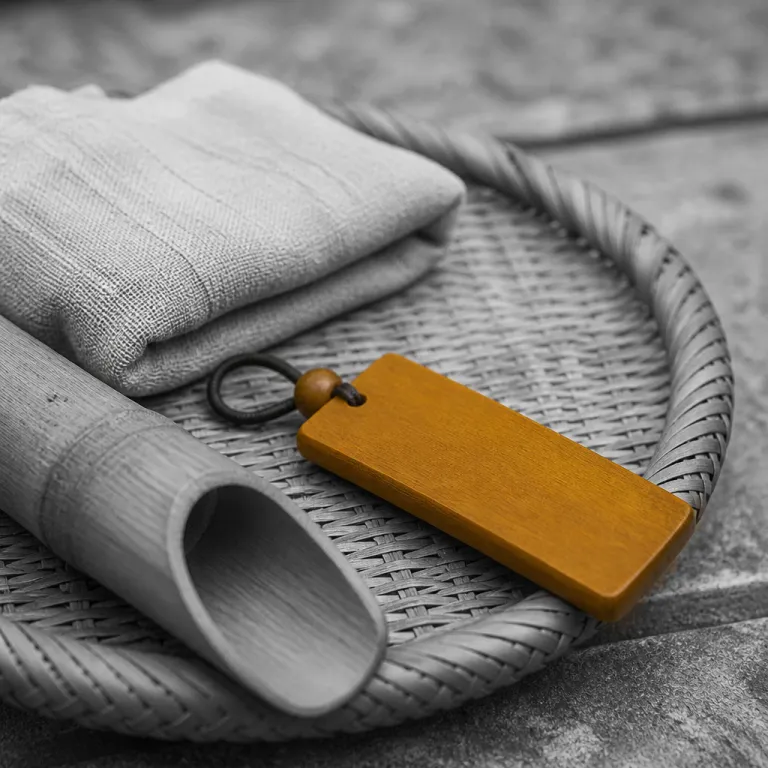
Vietnam heritage hotel cultural stay on sacred ground
Vietnam’s most memorable heritage hotel experiences often unfold beside temples and pagodas. A refined stay in a historic or culture-focused property places you within walking distance of incense smoke, morning bells and the slow choreography of local worshippers. For couples planning a trip, choosing a hotel near sacred sites turns a simple room booking into a quietly transformative escape.
Across the country, a small but growing number of carefully positioned temple-side hotels now welcome visitors each year, according to figures regularly highlighted by the Vietnam National Administration of Tourism (VNAT). Many of these heritage properties are designed to balance spiritual calm with modern amenities, so guests can move from meditation gardens to high thread count sheets without losing the sense of place. This is where a culture-rich stay becomes more than marketing language and starts to feel like a lived ritual from dawn until late evening.
These hotels sit in cities and rural valleys where religion, history and daily life still overlap. In Hanoi, a heritage hotel near the One Pillar Pagoda on Chùa Một Cột Street lets guests hear temple drums from their rooms, while in Hoa Lư the Jiva Hoa Lu Retreat in Ninh Bình places you among karst peaks and ancient sanctuaries. A thoughtful stay in Vietnam means choosing accommodation that respects sacred ground, rather than treating it as a backdrop for a swimming pool or rooftop bar.
Temple-focused properties follow a clear hospitality philosophy shaped by Vietnamese Buddhist values of compassion in service. Staff are trained to keep voices low in corridors, schedule housekeeping around prayer times and guide guests on respectful visiting etiquette. Simple rules such as dressing modestly, removing shoes before entering temples, speaking quietly and avoiding pointing feet at altars are gently explained at check in, so every stay feels both relaxed and considerate.
Hanoi’s pagoda belt and the art of the contemplative city stay
Hanoi is where a heritage-style hotel stay meets the layered density of a living capital. Around the Old Quarter and Ba Đình, temple spires and lakeside pagodas sit just a few minutes from some of the country’s most storied hotels. Choosing the right hotel in Hanoi, Vietnam is less about the biggest pool and more about how the property frames your first and last hours of each day.
On the French Quarter side, the Sofitel Legend Metropole Hanoi on 15 Ngô Quyền Street and the nearby Capella Hanoi on 11 Lê Phụng Hiểu Street offer two distinct interpretations of heritage hotel style. The Legend Metropole leans into grand corridors and a state-of-the-art spa, while Capella Hanoi focuses on theatrical interiors and intimate rooms and suites that feel like curated apartments. Both properties sit close enough to Hoàn Kiếm Lake and Trấn Quốc Pagoda that guests can trade the rooftop bar for a lakeside tea stall within minutes.
For couples, the most rewarding city break often starts before sunrise. Step out from your room around 5:30–6:00 a.m. and walk toward Trấn Quốc Pagoda on Thanh Niên Street or the quieter neighborhood shrines, and you will see how the city softens before traffic builds. Returning to your room or suite after this walk, with air conditioning humming and a bed-and-breakfast tray waiting, you feel the full value of a hotel stay that respects the city’s spiritual rhythm.
Temple-focused hotels in Hanoi also tend to invest in connectivity and comfort without losing their contemplative edge. Expect high-speed internet, modern amenities such as strong air conditioning and well-designed bathrooms, plus easy access to Nội Bài International Airport via reliable transfers that take around 40–50 minutes in normal traffic. If you are pairing Hanoi with more remote cultural stays, consider routing onward to central Vietnam’s cave region and using a specialist guide or local tour operator to combine temple hotels with Phong Nha’s luxury cave lodges for a deeper heritage-focused itinerary.
Hue, Hoi An and My Son: when heritage shapes the entire stay
Central Vietnam is where a culture-led hotel stay becomes almost unavoidable, because sacred architecture is woven into the landscape. In Huế, properties near Thiên Mụ Pagoda on Hương Hòa Street and the imperial citadel offer long river views that carry the sound of evening chants across the water. A carefully chosen hotel here lets guests move between royal tombs, riverside pagodas and shaded pools without ever feeling rushed.
Many of these accommodation options are low-rise, traditionally designed and oriented toward gardens rather than highways. Rooms and suites often open onto courtyards where incense drifts from family altars, while a discreet spa offers Vietnamese massage rituals that echo temple quiet rather than resort theatrics. When a heritage hotel in Huế gets it right, the swimming pool feels like an extension of the Perfume River rather than a separate entertainment zone.
Further south, Hoi An’s Ancient Town turns every evening into a lantern-lit ceremony that no modern resort can manufacture. Staying in a small heritage-focused hotel inside or just outside the old streets means your room becomes a front-row seat to processions, offerings and river rituals. For couples planning a broader Vietnam journey, this is the ideal place to slow down for a few nights and let the city’s cultural gravity dictate your schedule, especially from February to April and again from late August to October when temperatures are milder.
From Hoi An, day trips to the Mỹ Sơn Sanctuary, about 40 km inland, add another layer to a temple-centered itinerary. Accommodations near this Champa temple complex are simpler than coastal luxury resorts, but the proximity to towers and jungle paths changes how guests use their rooms. To balance comfort and culture across the country, many travelers now mix temple-side properties with coastal or mountain stays, using guides like this overview of heritage homestays and beach resorts in Vietnam to structure their route and booking sunrise or late-afternoon tours to avoid the midday heat.
From Saigon to Côn Đảo: sacred sites, sea air and mindful programming
Ho Chi Minh City, still widely called Sài Gòn, offers a different kind of heritage hotel experience, one that hides in alleys behind glass towers. Here, temples and communal houses sit between coffee shops and office blocks, and the right hotel in the city can connect you to both worlds. Couples often split their time between a central luxury property and a quieter riverside stay to feel the full range of the metropolis.
In District 1, international names and local independents compete with polished rooms, attentive service and state-of-the-art gyms. Some of these hotels now curate temple walks that start from the lobby, guiding guests through incense-filled courtyards at places like Jade Emperor Pagoda before returning them to rooftop bar sunsets and well-chilled rooms and suites. For a deeper read on which neighborhoods work best for a refined city stay, use this guide to where to stay in Saigon for a memorable city stay as a planning tool.
Off the southern coast, Côn Đảo adds a more remote dimension to the idea of a heritage hotel. The island’s history as a prison archipelago and its scattering of temples and shrines create a solemn backdrop to otherwise idyllic bays and a great swimming pool or two. A thoughtful hotel here will frame sunrise offerings, cemetery visits to Hàng Dương Cemetery and quiet beaches as part of a longer cultural journey rather than as isolated excursions.
Across these southern destinations, the best properties understand that modern amenities should support, not overshadow, the spiritual context. Expect strong air conditioning, high-speed connectivity and easy access to Tân Sơn Nhất International Airport, but also dawn meditation sessions, walking meditation gardens and occasionally silent breakfasts. The difference between a marketing-driven wellness program and a genuinely mindful stay often lies in whether the hotel has long-term relationships with local temples and monastics, rather than just lighting incense in the lobby.
Temple etiquette, tu bi service and choosing the right heritage hotel
Staying near sacred sites in Vietnam comes with responsibilities that most couples are happy to embrace once they understand the basics. Temple hotels across the country now brief guests at check in on how to move respectfully between their room and nearby shrines. The core guidelines are simple enough to remember even after a long flight and a deep sleep.
Staff will usually remind guests to dress modestly, cover shoulders and knees and remove shoes before entering temple halls. They will also suggest speaking quietly, avoiding loud phone calls near altars and never pointing feet toward statues when sitting or kneeling. These small adjustments turn a standard hotel stay into a culturally sensitive visit that feels aligned with local expectations rather than at odds with them.
Behind the scenes, many temple hotels draw on the Buddhist concept of từ bi, or compassion in service, to shape their hospitality. That means anticipating needs without hovering, offering tea after a long temple walk and adjusting breakfast times so guests can attend early ceremonies. In practice, this philosophy answers common questions such as “What is a temple hotel?”, “Are temple hotels suitable for families?” and “Do temple hotels follow specific hospitality practices?” with lived examples rather than brochures.
One standout example is Jiva Hoa Lu Retreat in Ninh Bình’s Hoa Lư district, a luxury retreat near ancient temples that blends traditional architecture with modern comfort. Built with local materials and traditional décor, it offers guided tours to nearby pagodas while maintaining a tranquil environment that feels like a true heritage hotel sanctuary. For couples seeking a culture-focused stay that combines rooms with character, a discreet spa, a calm pool and sincere service, properties like this show how Vietnam’s temple hotels can be both deeply rooted and quietly luxurious.
FAQ: Vietnam temple hotels and cultural stays
What is a temple hotel in Vietnam ?
A temple hotel in Vietnam is a property located on or near sacred grounds such as pagodas, shrines or temple complexes. These hotels are designed to offer cultural experiences alongside modern amenities like air conditioning, high-speed internet and comfortable rooms. Guests choosing a heritage-style stay in such places can usually walk to nearby religious sites in just a few minutes.
Are temple hotels suitable for couples and families ?
Temple hotels are well suited to couples seeking a romantic yet reflective stay in Vietnam, and many also welcome families. The atmosphere is typically quiet, with pools, gardens and spa areas designed for relaxation rather than loud entertainment. Parents should brief children on basic etiquette, but staff are usually patient and happy to guide younger guests through local customs.
How should I dress and behave when staying near temples ?
When your hotel is close to a temple, pack light, breathable clothing that covers shoulders and knees for visits. Inside temple grounds, remove shoes, speak softly and avoid pointing your feet toward altars or statues when sitting. Following these simple rules ensures your cultural stay supports, rather than disrupts, the spiritual life of the community.
Do temple hotels in cities like Hanoi and Ho Chi Minh City feel spiritual enough ?
Urban temple hotels in Hanoi and Ho Chi Minh City can feel surprisingly contemplative, especially if they are near lakes, pagodas or historic neighborhoods. Properties around the Old Quarter, Ba Đình or riverside districts often curate early morning walks and meditation sessions to balance city energy. For many travelers, this mix of heritage, city life and hotel comfort creates one of the most rewarding ways to experience Vietnam.
How do I choose between a coastal resort and a temple hotel for my trip ?
The choice depends on whether you want your time in Vietnam to focus on relaxation, culture or a blend of both. Temple hotels near sites like Huế’s pagodas, Hoi An’s Ancient Town or Hoa Lư’s temples prioritize heritage and contemplative experiences, while coastal resorts emphasize beaches, large pools and extensive spa menus. Many couples now combine a few nights in a heritage hotel with time at the coast or in the mountains to experience the full range of Vietnam’s hospitality.