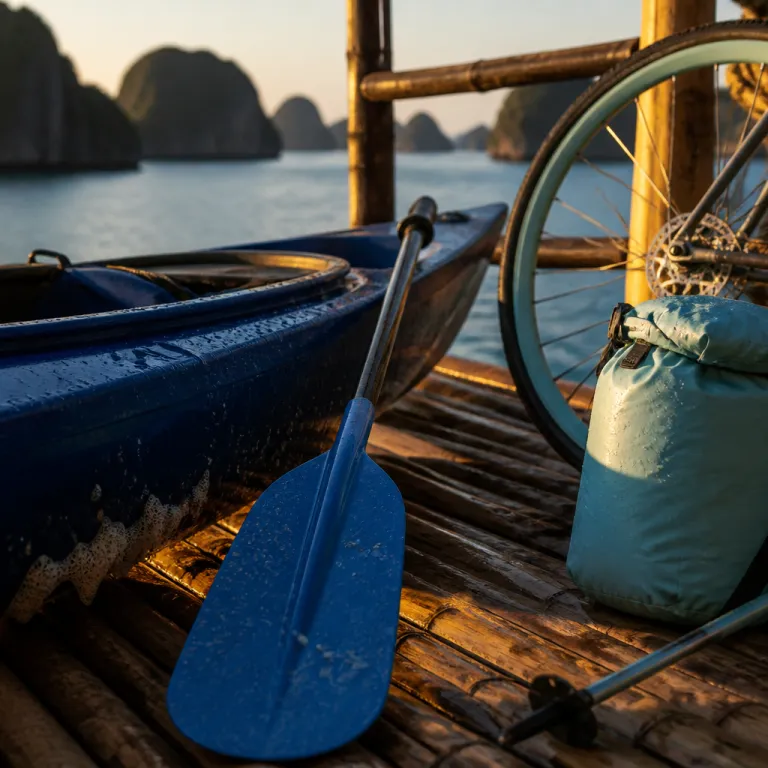
How to choose an adventure hotel in Vietnam for kayaking and cycling
Vietnam rewards families who slow down and treat the landscape as part of the accommodation rather than a backdrop. An active stay at an adventure hotel in Vietnam for kayaking and cycling works best when the property builds gentle activity into each day, not as a punishing schedule but as a relaxed rhythm that fits your family’s pace. The right base will balance comfort, safety and access to water or countryside trails within a short transfer from major hubs.
Start by mapping your trip around two or three regions instead of racing across the whole of northern Vietnam in a few days. For many premium travelers, that means flying into Hà Nội, spending one day in the city, then heading toward a bay or national park where paddling and bike rides are part of the daily routine. Families who prefer softer adventure will appreciate hotels that offer a guided cycle in the morning and a calm boat tour or short walk in the afternoon, with realistic distances of 8–15 km of cycling and one to two hours on the water.
Look closely at how each property describes its gear and guiding rather than just the view from the pool. A genuinely active family hotel in Vietnam requires decent mountain bikes, stable kayaks and a trained local guide who understands both safety and storytelling. When you compare dates and prices, ask whether breakfast, lunch and dinner are included, how long each tour lasts and whether children’s sizes are available for every bike and life jacket, as well as whether group sizes are capped at around eight to ten guests.
What low-impact adventure really looks like for families
Low impact does not mean boring; it means your children can paddle a kayak in a sheltered bay without needing expedition level fitness. A well designed family adventure program will layer short, varied activities across the day so no one feels exhausted or left behind. Think forty five minutes of cycling through rice paddies, an hour of gentle kayaking near limestone cliffs, then free time by the pool before an early dinner.
In Hà Nội, for example, you might spend a morning walking around Hoàn Kiếm Lake and the Temple of Literature with a local guide, then transfer to a rural lodge where bikes are waiting for an afternoon spin. The next day will often start with breakfast on a terrace overlooking fields before a family friendly tour that mixes a bike ride, a short boat tour and a stop at a village market. Hotels that understand premium family travel keep the logistics invisible so the trip feels spontaneous even when every transfer and meal has been carefully planned, typically limiting road journeys to two and a half to three hours at a stretch.
Ask properties how they handle different ages and abilities, because a seven year old and a teenager rarely want the same pace. Some of the best accommodation options in Vietnam now offer electric bikes alongside regular bikes, which keeps multi generational groups together on rolling countryside routes. When you read reviews, pay attention to comments about timing, such as whether morning departures are flexible and how guides adjust the day when the weather turns or younger guests tire early, and whether shorter alternative loops are available.
Lan Ha Bay, Cát Bà Island and the rise of eco lodges
Just south of the main Hạ Long Bay cruise routes, Lan Ha Bay and Cát Bà Island have become the quiet heartland for soft adventure in northern Vietnam. Here, limestone karsts rise from emerald water, but the mood is calmer and the scale smaller, which suits families who want kayaking and cycling without crowds. The standout stays are eco focused lodges and small resorts that treat the national park and the bay as their main playground.
Cat Ba Eco Lodge, tucked inland from the coast, is a strong example of a nature based hotel that keeps things low key yet immersive. Guests typically arrive from Hà Nội by bus and ferry, with the lodge arranging the transfer so the journey feels like part of the trip rather than a chore. Once checked in, you wake to a quiet morning in the hills, eat a simple but generous breakfast, then choose between cycling through local villages, a guided hike in Cát Bà National Park or a kayak outing in Lan Ha Bay.
Local partner Cat Ba Kayak Adventures handles much of the on water and on trail logistics, which matters for safety and quality. Their multi day programs are structured so that Day 1 focuses on cycling, Day 2 on kayaking and trekking, and Day 3 on a relaxed departure, which suits families who like clear structure. Typical three day packages for small groups often start around the mid hundreds of US dollars per person, including guiding and basic meals, and the operator notes that March to May and September to November offer pleasant weather for beginners and intermediate guests.
Kayaking and cycling around Lan Ha Bay with kids
On the water, the emphasis is on short, scenic paddles rather than endurance routes. A typical family friendly day in Lan Ha Bay might include a morning boat tour out into the karsts, then an hour of kayaking through sheltered lagoons and under low caves before returning to the mother boat for lunch. In the afternoon, you might stop at a floating village or a quiet beach, giving younger travelers time to swim while adults take turns exploring by kayak.
Back on Cát Bà Island, the lodge can arrange a gentle bike ride through Lien Minh and neighboring hamlets, where children wave from doorways and water buffalo graze in narrow fields. The terrain is rolling rather than steep, and guides set a pace that allows for photo stops and snack breaks, which keeps the experience firmly in the low impact category. Many families appreciate that meals, breakfast and dinner are often served on site, reducing the need to shuttle into town after a full day outside.
Because around half of Cát Bà Island is protected as national park, the air feels cooler and the nights quieter than in the city. That protection also means you should expect simple infrastructure on some trails and beaches, which is part of the charm but requires realistic expectations. Pack light, eco friendly gear and be prepared for changing weather, because a misty morning on the bay can quickly turn into bright sun by midday, and sea breezes can make temperatures feel several degrees cooler on the water.
Ninh Bình, Mai Châu and the art of slow cycling in the north
Move inland from the coast and the limestone drama continues in Ninh Bình, where rivers wind between karst towers and rice paddies. Here, the best active family stays are small riverside resorts and lodges that hand you a bike at breakfast and send you out on quiet lanes rather than busy highways. For premium families, this is where Vietnam’s countryside becomes accessible without sacrificing comfort.
In Ninh Bình, many accommodation options sit near the Trang An or Tam Cốc boat piers, which makes it easy to pair a morning boat tour with an afternoon bike ride. A typical day will start with breakfast on a terrace facing the paddies, followed by a guided cycling loop through villages, pagodas and low passes between limestone outcrops. After lunch, you might glide along a river in a sampan rowed by a local, passing caves and temples while children count goats on the slopes.
Mai Châu, further west, offers a different rhythm with stilt house villages and wide valley floors ideal for family cycling. Here, an adventure focused lodge will usually provide sturdy bikes, child seats and maps for self guided loops, plus the option of a local guide for deeper cultural context. Evenings tend to be quiet, with meals breakfast and dinner served on site, and some lodges arranging traditional dance performances that feel more community based than staged.
Planning dates, prices and logistics for northern Vietnam
When you plan a trip that combines Hà Nội, Ninh Bình and Mai Châu, think in blocks of two or three days per stop. This gives you enough time to enjoy a relaxed morning, a half day tour and some unstructured time by the pool or in the garden. Many families choose three nights in Ninh Bình, two nights in Mai Châu and at least two nights in Hà Nội to balance city energy with countryside calm.
As you compare dates and prices, ask each property what is included in the rate beyond the room. Some will bundle breakfast and lunch, others will offer full board with breakfast, lunch and dinner, and a few will price activities like cycling or boat tours separately. Clarify whether transfers between Hà Nội and each valley are private or shared, how long they take in real time and whether child seats are provided in the vehicles.
In Hà Nội itself, consider staying in the Old Quarter or near the French Quarter for easy access to the Temple of Literature, Hoàn Kiếm Lake and the city’s food scene. A well located city hotel can arrange a morning street food walk, an afternoon cyclo ride and an evening water puppet show, which keeps non adventure days engaging. For families continuing south to Hồ Chí Minh City, it is often worth booking a flexible fare so you can adjust your internal flight if you decide to linger longer in the north.
From Sapa to national parks: trekking that respects family pace
For many travelers, Sapa is the first name that comes to mind when they think of trekking in Vietnam. The town itself can feel busy, but the right mountain lodge outside the center will connect you to quieter rice terrace paths and ethnic minority villages. The key is choosing properties that work with local guides from Hmong, Dao or Tay communities and that design routes around your family’s energy rather than a fixed checklist.
A typical Sapa day might start with breakfast overlooking misty valleys, followed by a short transfer to a trailhead where your local guide leads you along contour paths between terraced fields. Children can walk at their own pace, stopping to watch farmers work or water buffalo bathe in muddy pools, while adults enjoy the cooler air compared with the lowland city. After a few hours, you return to your accommodation for lunch and downtime, perhaps followed by a shorter afternoon stroll to a nearby village.
Beyond Sapa, Vietnam’s national parks offer quieter alternatives that still fit a soft adventure brief. In the north, Ba Bể National Park combines lake boat tours with short hikes and village stays, while further south, Bạch Mã National Park near Huế offers day hikes through forest to waterfalls and viewpoints. Families who prefer to avoid steep climbs can ask for routes that focus on wildlife spotting, streams and picnic spots rather than summits.
Balancing trekking with city time in Hà Nội and Hồ Chí Minh City
Because overnight trains and long road transfers can be tiring, it makes sense to bracket trekking days with comfortable city stays. In Hà Nội, plan at least one easy morning after returning from Sapa, with a late breakfast and a slow walk around the Old Quarter to reset. This is also a good time to visit the Temple of Literature or the Museum of Ethnology, which gives children context for the ethnic minority communities they have just met.
Far to the south, Hồ Chí Minh City, often called Sài Gòn or Hồ Chí Minh City, plays a different role in a family itinerary. Here, the focus is less on trekking and more on food, history and day trips to the Mekong Delta, where boat tours replace mountain paths. A well chosen accommodation hotel in the city can arrange a morning visit to the Cu Chi tunnels, an afternoon at a rooftop pool and an evening street food tour that keeps teenagers engaged.
For a deeper look at how Vietnam’s luxury hotel scene is evolving, especially in major hubs like Hồ Chí Minh City, it is worth reading this analysis of the luxury hotel angle in Vietnam’s outbound tourism debate. Understanding these dynamics helps you see why some properties invest heavily in experiences while others focus on hardware. As a traveler, you benefit most when you choose hotels that put money into guides, gear and thoughtful programming rather than just marble lobbies.
Southern waters: Mekong Delta, coastal escapes and gentle paddles
Head south from Hồ Chí Minh City and the landscape flattens into the Mekong Delta, a maze of rivers, canals and islands. Here, the classic active family experience shifts from mountain trails to water based exploration, with boat tours, short paddles and village bike rides forming the core of most itineraries. Families who like variety will find that a two or three day stay in the delta pairs well with a coastal resort break.
In the Mekong Delta, premium properties such as Victoria Cần Thơ Resort or Azerai Cần Thơ build low impact activities directly into their stay packages. A typical day might include a dawn boat tour to a floating market, a mid morning bike ride along narrow paths between orchards and an afternoon cooking class that uses ingredients bought earlier. Because the terrain is flat, cycling here feels more like a gentle roll than a workout, which suits younger children and grandparents alike.
Along the southeast coast, resorts near Vũng Tàu and Long Hải offer a different take on soft adventure, with sea breezes and open beaches. Alma Oasis in Long Hải, for example, positions itself as a serene beachfront escape within easy reach of Hồ Chí Minh City, and you can read a detailed review of this beachfront resort near Hồ Chí Minh City. While the focus there is more on relaxation than hardcore activity, families can still arrange coastal bike rides, stand up paddling and simple kayak outings in calm conditions.
Quy Nhơn and central coast hideaways
Further up the central coast, Quy Nhơn has quietly emerged as one of Vietnam’s least crowded coastal escapes. Luxury hotels here tend to hug secluded bays, with villas stepping down toward the water and hills rising behind, which creates natural routes for short hikes and coastal bike rides. For families seeking an adventure style stay without the bustle of Đà Nẵng or Nha Trang, this region deserves serious attention.
Many of the top properties in Quy Nhơn now offer guided kayaking in sheltered coves, sunrise yoga platforms and mapped cycling routes along quiet coastal roads. The emphasis is on unhurried exploration, with staff happy to pack breakfast or breakfast and lunch into a basket so you can eat on a headland or quiet beach. To get a sense of the area’s hospitality scene, look at this guide to Quy Nhơn’s luxury hotels and coastal escapes, which highlights why the city feels so different from more developed resorts.
Because central Vietnam can be hot at midday, plan activities for early morning and late afternoon, leaving the middle of the day for pool time or spa sessions. This rhythm works especially well for families, as children can nap or read during the hottest hours. When you book, ask whether the hotel provides shaded child seats for bikes and whether life jackets are available in a full range of sizes for any kayak or boat tour.
Gear, guides and what hotels really provide
One of the biggest gaps between marketing and reality in Vietnam’s adventure scene lies in the quality of gear and guiding. A property may call itself an adventure hotel for kayaking and cycling, but that does not guarantee well maintained bikes or properly trained guides. As a premium traveler, you should ask specific questions before you commit.
For cycling, check whether the hotel offers modern mountain bikes in multiple frame sizes, helmets for all ages and, ideally, some electric bikes for guests who want assistance on hills. Ask how often the bikes are serviced, whether spare tubes and tools are carried on each ride and if a support vehicle is available on longer routes. Families should also confirm the availability of child seats or tag along bikes, which can make the difference between a stressful and a joyful day out.
On the water, look for kayaks with stable hulls, comfortable seats and life jackets that fit both adults and children properly. Clarify whether guides are trained in basic rescue techniques and whether boat tours carry radios or phones for emergencies, especially in remote bays or national parks. When in doubt, consider booking specialist operators like Cat Ba Kayak Adventures through your accommodation, as they often maintain higher standards of equipment and safety than generalist resorts.
What to bring and how to brief your family
Even when hotels provide most of the gear, packing a few key items will make your trip smoother. Lightweight long sleeve shirts, quick drying shorts, closed toe sandals and sun hats are essential for both cycling and kayaking in Vietnam’s climate. For children, consider fingerless cycling gloves and simple buffs to protect necks from the sun during longer rides.
Before each activity day, take five minutes over breakfast to brief the family on what is coming. Explain how long the bike ride or paddle will last, when breaks are planned and what the backup options are if someone feels tired. This small ritual helps set expectations and reduces mid tour friction, especially with younger travelers who like to know what is next.
Finally, remember that low impact adventure is about connection rather than conquest. The most memorable moments of an active family holiday in Vietnam often come from small interactions with local hosts, guides and villagers rather than from ticking off distances or summits. Choose properties that value those relationships, and your family will leave with stories that feel both grounded and generous.
Key figures for low-impact adventure travel in Vietnam
- Visitor numbers to Cát Bà Island have grown rapidly in recent years, yet much of Lan Ha Bay still feels uncrowded when you travel outside peak holiday periods such as national holidays and summer weekends; local tourism offices report annual increases in arrivals in the double digits over the last decade.
- A significant portion of Cát Bà Island is protected as national park, which explains the strong focus on trekking and nature based activities around eco lodges.
- Multi activity packages in areas like Lan Ha Bay typically run for three days, with one day focused on cycling, one on kayaking and trekking, and one on arrival or departure, which suits families with limited vacation time.
- In many premium properties across Vietnam, soft adventure add ons such as guided bike rides or kayak outings add between 10% and 25% to the total trip budget, depending on group size and level of private guiding.
- Travel periods from March to May and from September to November are widely regarded as offering the most comfortable temperatures for outdoor activities in northern and central Vietnam, reducing heat related stress for families.
FAQ about adventure hotels and low-impact activities in Vietnam
What is the best time to visit Vietnam for family friendly kayaking and cycling?
The most comfortable periods for family focused kayaking and cycling in Vietnam are generally from March to May and from September to November. During these months, temperatures are milder and rainfall is lower in many regions, especially in the north around Hà Nội, Ninh Bình and Lan Ha Bay. In the far south and the Mekong Delta, conditions remain warm year round, but heavy rains are more common in the middle of the year.
Are adventure hotels in Vietnam suitable for beginners and children?
Many adventure oriented hotels in Vietnam design their programs specifically for beginners and families with children. Activities such as short countryside bike rides, calm bay kayaking and gentle trekking routes are usually offered alongside more challenging options. When booking, ask for details on distances, elevation and minimum ages so you can match the program to your family’s fitness and interests.
How do I reach Cát Bà Island and Lan Ha Bay from Hà Nội?
The most straightforward route from Hà Nội to Cát Bà Island combines a road transfer with a ferry crossing. Many eco lodges and tour operators arrange a package that includes a bus or minivan from Hà Nội to Hải Phòng, followed by a speedboat or ferry to Cát Bà and then a short road transfer to your accommodation. This door to door approach simplifies logistics, especially for families traveling with children and luggage.
What should I pack for a low-impact adventure trip in Vietnam?
For a soft adventure itinerary that includes kayaking, cycling and light trekking, focus on lightweight, quick drying clothing and good sun protection. Closed toe sandals or light hiking shoes, a hat, sunglasses, reusable water bottles and a small daypack are essential, while optional extras include cycling gloves and a compact rain jacket. Most hotels provide helmets, bikes and life jackets, but you can bring your own for children if you prefer a guaranteed fit.
Do I need to book tours through my hotel or with specialist operators?
Booking through your hotel is convenient and often sufficient for simple activities such as short bike rides or basic boat tours. For more technical kayaking routes, longer treks or multi day programs, specialist operators like Cat Ba Kayak Adventures usually offer higher quality gear and more experienced guides. A good strategy is to use your adventure focused hotel in Vietnam as a base for accommodation and meals, while asking the concierge to coordinate with trusted local partners for specific activities.