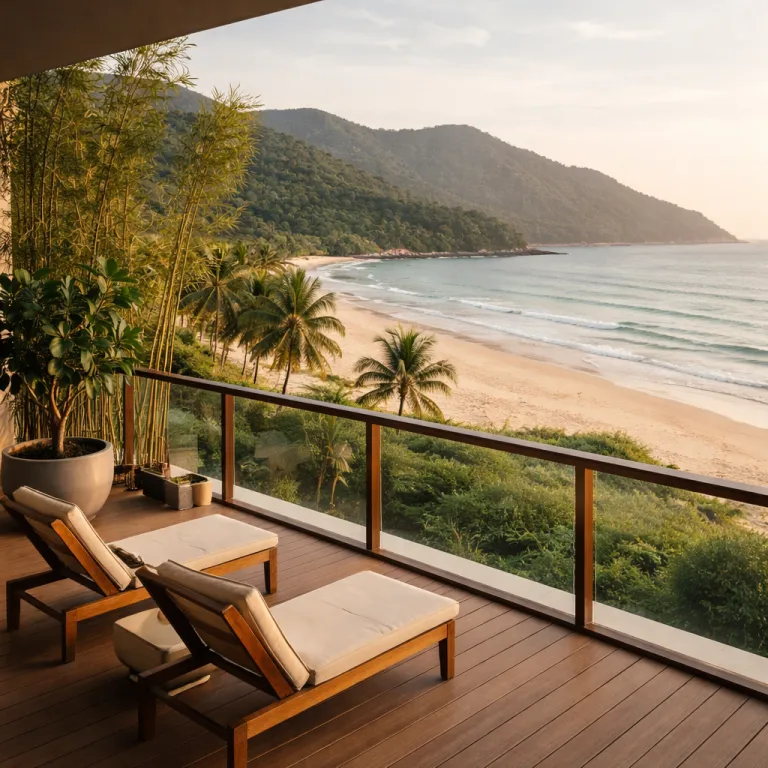
Da Nang hotel guide: how to choose the right stretch of coast
How this hotel guide to Da Nang helps you choose the right coast
Da Nang sits at the center of Việt Nam’s coastline, and this hotel guide focuses on how the city actually feels block by block. The airport is less than 10 minutes by car from most beachfront hotels in light traffic, which changes how you plan your travel, your first night and even your last bowl of mì Quảng before flying out. For guests used to long transfers to island resorts in Phú Quốc or remote resort spa enclaves, Da Nang’s compact layout is a quiet luxury in itself.
Think of the city as four distinct hotel zones rather than one long beach, because each area shapes your stay differently. My Khe Beach is the classic strip where high rise properties line the sand, while the Sơn Trà Peninsula feels almost like a separate island with dense jungle and steep roads. Between them, An Thượng and the Marble Mountains corridor offer a more local city rhythm, with smaller hotel options, cafés and late night bún chả stalls that keep you anchored to Việt Nam rather than an anonymous resort bubble.
This guide walks you through where to book a hotel in Da Nang depending on whether you want sunrise swims, spa time, nightlife in the city center or easy day trips to Hội An and the Hải Vân Pass. You will see specific hotel names, typical review patterns and clear trade offs between luxury, location and price, not vague marketing language. Use it as a practical review check before you hit that check availability button on any offers that look too good to be true.
My Khe Beach corridor: reading the five star strip beyond the photos
My Khe Beach is where most travelers start their Da Nang hotel search, because this is the long, pale stretch of sand you see in every drone photo. The corridor runs for several kilometres, and the feel of the beach changes subtly as you move from the Sala Danang Beach Hotel cluster to the Grand Tourane Hotel Da Nang area and down toward the Hyatt Regency and the Marble Mountains. A hotel here gives you instant access to sunrise swims, but the real difference between properties lies in how they manage crowds, traffic noise and the flow between rooms, pool and beach.
Near the northern end, Sala Danang Beach Hotel sits just a short walk from the sand, while Monarque Hotel Danang and Paris Deli Danang Beach Hotel, both also close to the beach, consistently attract strong guest review scores. As of early 2024, major booking platforms such as Booking.com and Google Reviews typically show ratings above 9 out of 10 for these three hotels, though you should always confirm current figures on your chosen site. These places are not the most ostentatious luxury resorts in Việt Nam, yet they deliver a polished stay with efficient service, compact spa areas and rooftop pools that frame the city and Sơn Trà Peninsula in one sweep. Families often prefer this zone because crossing the road to the beach is quick, and the city center remains a short taxi ride away for a night in a more urban setting.
Further south along My Khe Beach, larger international resorts such as the Hyatt Regency and Pullman Da Nang Beach Resort occupy deeper plots with more landscaped gardens and broader wellness facilities. Here you trade some street level energy for quieter nights, longer beachfronts and more curated kids’ clubs, which suits guests planning to stay several nights without moving around too much. When you check availability in this corridor, compare not only price and room size but also how each hotel manages beach access, pool loungers and late night noise from nearby bars.
Monarque Hotel Danang and Paris Deli Danang Beach Hotel show how mid scale properties can outperform some bigger names on service according to aggregated review data on sites like Agoda and Booking.com (ratings commonly cluster around 9.0–9.6 out of 10; figures checked in 2024 but subject to change). Grand Tourane Hotel Da Nang, often rated around 4.4 out of 5 on Google Reviews, anchors another stretch of My Khe Beach with a more classic high rise profile and a strong focus on sea facing rooms. TMS Hotel Da Nang Beach, which sits roughly 6 kilometres from the Sơn Trà headland, often appeals to travelers who want a balance between city access, beach proximity and a modern, glass fronted aesthetic.
For travelers comparing a hotel Hà Nội stay with a Da Nang beach break, My Khe offers a very different rhythm from the Old Quarter in Hà Nội, where narrow streets and dense hotels create an almost cinematic city experience. Here the horizon is wide, the air moves differently and the main soundtrack is the early morning exercise crowd rather than motorbike horns. If you are used to compact rooms in a central hotel Hà Nội property, the space and light of My Khe Beach hotels will feel like a reset.
When you evaluate offers along this corridor, look closely at room photos and floor plans, because some properties stack many rooms on narrow plots, while others spread out horizontally with better cross ventilation. A careful review check of guest comments about elevator wait times, breakfast crowding and beach towel policies often tells you more about daily comfort than glossy marketing images. For a deeper comparison of coastal stays across the country, you can read full guidance on accommodation types in Việt Nam in this curated overview of heritage homestays and beach resorts.
Sơn Trà Peninsula: wild headland, serious views and real trade offs
Drive 20 to 25 minutes north from My Khe Beach and the narrative shifts from flat sand to steep jungle as you climb onto the Sơn Trà Peninsula. This headland, sometimes called Monkey Mountain, feels almost like a separate island attached to the city by a thin strip of road, and the hotels here lean into that sense of escape. You come for the views, the quiet and the feeling of being wrapped in forest, not for quick dashes into the city for late night phở.
High end resorts on Sơn Trà, such as the InterContinental Danang Sun Peninsula Resort, are designed as self contained worlds where guests can stay several nights without leaving the property. Expect multi level rooms stepping down the hillside, private cable cars or long staircases, and resort spa complexes that feel closer to a wellness retreat than a standard city spa. The luxury is undeniable, but so is the isolation, which means you should plan your travel days carefully and accept that a taxi into the city will take longer and cost more than from My Khe Beach.
Compared with Phú Quốc or remote bays like Ninh Vân Bay near Nha Trang, Sơn Trà offers a hybrid between island seclusion and city access. You still benefit from Da Nang’s airport advantage, with transfers far shorter than the 60 to 90 minute drives often required to reach more distant island resorts or hidden coves. For travelers who like the idea of French Polynesia style drama without the long haul flight, the peninsula’s cliffs and coves provide a compelling, if more compact, alternative.
When you check availability for Sơn Trà properties, pay attention to how each resort handles internal transport, because steep terrain can make moving between rooms, restaurants and the beach time consuming. A full review of guest comments often reveals whether buggies are frequent, whether the spa is easily accessible and how the resort manages rainy season logistics. This is especially important between May and September, when monsoon patterns can bring sudden downpours that affect outdoor dining, pool use and even road access.
Travelers who have stayed in Hà Nội or Hồ Chí Minh City often underestimate how different nights feel on Sơn Trà, where the soundtrack is waves and cicadas rather than city traffic. If you crave nightlife, street food and spontaneous bar hopping, you may find the peninsula too quiet after two or three nights. In that case, consider splitting your stay between a Sơn Trà resort and a My Khe Beach or An Thượng hotel to balance seclusion with city energy.
For those planning a wider journey through Việt Nam’s quieter coastal and river landscapes, including Ninh Bình and the bays near Cam Ranh, it is worth reading this analysis of Việt Nam’s quiet luxury destination shift. It places Da Nang and Sơn Trà in the broader context of how the country’s resort map is evolving beyond the classic island and city pairings. Understanding that shift helps you decide whether to allocate more nights to Da Nang or to emerging destinations like Ninh Bình and its Tam Cốc river valleys.
An Thượng neighborhood: independent traveler base between city and sea
South of the busiest My Khe Beach blocks, An Thượng has become the default base for independent travelers who want a coastal experience that feels plugged into local life. Streets here are narrower, buildings mid rise and the mix of cafés, co working spaces and casual restaurants gives the area a lived in rhythm. You are still only a few minutes’ walk from the beach, yet the city feels closer than in the big resort compounds.
Hotels in An Thượng tend to be smaller, with fewer rooms and more direct interaction between staff and guests, which suits solo travelers and digital nomads who value personal recommendations. This is where a receptionist might sketch a map to a late night bún chả stall or a hidden rooftop bar rather than simply handing you a printed city guide. The luxury here is not marble lobbies but the ability to step out of your hotel and be in a real neighborhood within seconds.
Because An Thượng attracts a longer stay crowd, from remote workers to slow travel couples, you will find more apartment style rooms with kitchenettes and flexible layouts. When you check availability, look for details such as desk space, natural light and soundproofing, which matter more if you plan to work or rest in your room during the day. A careful review check of Wi Fi stability and water pressure is also wise, as infrastructure can vary between properties.
Compared with staying in Hà Nội’s Old Quarter or Hồ Chí Minh City’s District 1, An Thượng offers a softer urban experience where the beach is always within reach. You can spend the morning on a laptop in a café, the afternoon in the sea and the evening exploring local food stalls without ever needing a taxi. For many guests, this balance between city convenience and beach access defines the ideal Da Nang stay.
Price wise, An Thượng often sits between the larger My Khe Beach hotels and the more remote Sơn Trà resorts, which makes it attractive for travelers who want comfort without full scale resort pricing. Seasonal patterns matter here too, with rates dropping during the May to September monsoon period when short, sharp showers become more frequent. If you are flexible with dates, you can often secure strong offers by arriving just before or after local holiday peaks.
For travelers building a longer itinerary that includes river landscapes and karst scenery, pairing An Thượng with a stay in Ninh Bình or Tam Cốc can create a satisfying contrast between sea and inland limestone cliffs. You can read full destination breakdowns on how Ninh Bình, Hạ Long Bay and Cam Ranh are redefining quiet luxury in Việt Nam, which helps you decide how many nights to allocate to each region. That kind of planning turns a simple city and beach trip into a more layered journey through the country.
Marble Mountains and the southern corridor: culture, caves and emerging resorts
Continue south from An Thượng and the skyline begins to thin out as you approach the Marble Mountains, a cluster of limestone hills that rise abruptly from the flat coastal plain. This area is still evolving in the central Việt Nam accommodation landscape, with a mix of established resorts and new builds that take advantage of slightly quieter beaches and cultural proximity. You are closer here to the stone carving villages and pagodas of the Marble Mountains, which adds a layer of heritage to a standard beach stay.
Large resorts in this corridor often market themselves as halfway points between Da Nang and Hội An, which is accurate geographically but only part of the story. In practice, you gain easier access to both the city and the ancient town, yet you also accept longer transfers for quick restaurant runs or late night drinks. For guests who value space, landscaped grounds and a more measured pace, this trade off can be worthwhile, especially for stays of three nights or more.
When comparing accommodation options in this zone, pay attention to how each property integrates local culture into its design and programming. Some resorts offer guided visits to nearby pagodas, early morning walks through the stone carving workshops or cooking classes that focus on central Vietnamese dishes rather than generic menus. These touches can elevate a standard resort spa experience into something that feels rooted in place rather than interchangeable with any other beach city.
Because this area is still developing, you may find more variation in service levels and facilities than in the more established My Khe Beach corridor. A thorough review check of recent guest comments is essential, especially regarding construction noise, beach cleanliness and transport links to both Da Nang city and Hội An. When you check availability, look for transparent information on shuttle schedules and any seasonal changes to services during the monsoon months.
Travelers who have experienced remote bays like Ninh Vân Bay near Nha Trang or the more secluded corners of Phú Quốc will find the Marble Mountains corridor less isolated but still calmer than central Da Nang. It can work well as a first stop in Việt Nam for guests arriving from long haul flights, offering a gentle landing before tackling the intensity of Hà Nội or Hồ Chí Minh City. Alternatively, it can serve as a final, quieter chapter after more urban nights in those cities.
For a broader sense of how these emerging coastal zones fit into Việt Nam’s evolving luxury map, consult in depth analyses of quiet luxury destinations that compare Ninh Bình, Hạ Long Bay and Cam Ranh. These resources show how Da Nang’s southern corridor complements, rather than competes with, more remote island and inland retreats. Used together, they turn a simple list of hotels into a strategic plan for where to stay along the central coast.
Da Nang’s airport advantage and how to time your booking
One of Da Nang’s strongest assets in any accommodation plan is its airport, which sits only a short drive from both the city center and the main beach corridors. In practical terms, this means most hotels are within 10 to 15 minutes of the terminal in normal traffic, a stark contrast to destinations where you face 90 minute transfers to reach your resort. For travelers used to flying into Hồ Chí Minh City or Hà Nội and then connecting onward to Phú Quốc or distant bays, Da Nang’s efficiency feels like a quiet form of luxury.
This proximity changes how you plan your first and last nights, because you can comfortably schedule a late arrival or early departure without sacrificing sleep or beach time. Many guests choose to stay all nights in a single Da Nang hotel rather than splitting between an airport hotel and a beach property, which simplifies packing and unpacking. It also makes short three night stays more viable, since you lose less time to logistics and can focus on the city, the beach and day trips.
Seasonal price patterns in Da Nang are shaped by both domestic holidays and the central coast’s monsoon cycle, which typically brings more rain between May and September. During these months, you can often secure better offers, especially for longer stays, but you should also be prepared for sudden showers and occasional rougher seas. A careful review check of cancellation policies and wet weather facilities, such as indoor pools or robust spa programs, becomes more important if you are traveling in this period.
When you check availability across multiple properties, compare not only nightly rates but also inclusions such as airport transfers, breakfast and spa credits. Some luxury resorts on Sơn Trà or near the Marble Mountains bundle these extras into packages that can offer better value than room only rates in more central city hotels. For solo travelers and couples, these details often shape the overall feel of the stay more than a marginal difference in room size.
Da Nang also works well as a hub in a wider itinerary that includes Hà Nội, Hội An, Ninh Bình and even island extensions to Phú Quốc or Côn Đảo. You can fly in, spend several nights on My Khe Beach or Sơn Trà, then connect north or south without backtracking through Hồ Chí Minh City or Hà Nội unnecessarily. This flexibility is one reason Da Nang has seen rising hotel bookings and a steady development of new accommodations in recent years.
For travelers interested in combining Da Nang with more dramatic seascapes, it is worth exploring curated guidance on Hạ Long Bay tours for refined travelers. Pairing Da Nang’s efficient city and beach setup with a cruise through limestone karsts creates a satisfying contrast between structured resort stays and more fluid, water based journeys. Used thoughtfully, Da Nang’s airport advantage becomes the backbone of a wider, multi stop travel plan across Việt Nam.
Linking Da Nang with Hà Nội, Hồ Chí Minh City and beyond
No serious itinerary in Việt Nam stops at a single city, and Da Nang slots neatly into a broader north south route that includes Hà Nội, Hồ Chí Minh City and selected coastal or inland retreats. In Hà Nội, a central hotel Hà Nội stay in the Old Quarter or near Hoàn Kiếm Lake offers dense history, layered street life and compact rooms that contrast sharply with Da Nang’s open beachfront. Many travelers now choose to start in Hà Nội, move to Da Nang for beach time and then finish in Hồ Chí Minh City, creating a narrative arc from old capital to modern commercial hub.
In Hồ Chí Minh City, often still called Sài Gòn or referred to as Hồ Chí Minh City or simply Minh City, the hotel landscape is dominated by high rise properties with rooftop pools and skyline views. Here the focus shifts from beach and spa to restaurants, bars and business friendly facilities, which makes a short stay ideal before or after Da Nang. When you check availability in both cities, you will notice that room sizes and prices can vary widely, so a careful review check of location and noise levels is essential.
For travelers drawn to islands, pairing Da Nang with Phú Quốc or Côn Đảo can create a satisfying mix of city, beach and more remote island experiences. Phú Quốc offers a broad range of resorts, from large international brands to more intimate properties, while Côn Đảo remains quieter and more conservation focused. In both cases, Da Nang’s airport connections make it a logical midpoint rather than an isolated stop.
Some travelers also weave in Ninh Bình and Tam Cốc, where limestone karsts rise from rice paddies and river caves replace open sea horizons. A stay in Ninh Bình after Da Nang shifts the focus from beach to inland landscapes, yet the sense of calm and slower pace remains. For those who appreciate the drama of French Polynesia but prefer shorter flights and more varied cultural experiences, this combination within Việt Nam can be particularly appealing.
Throughout this broader journey, the key is to treat each city and resort as a chapter in a single story rather than isolated bookings. Use consistent criteria when you review hotels, such as access to local food, quality of sleep, spa standards and ease of transport, so you can compare Hà Nội, Da Nang and Hồ Chí Minh City on equal terms. That approach turns scattered hotel reviews into a coherent, personal full review of how you like to travel through Việt Nam.
As one aggregated insight from recent data puts it, "Increased tourism in Da Nang," "Rising hotel bookings," and "Development of new accommodations" are reshaping how travelers experience the central coast. Those trends mean more choice, more competition and, for savvy guests, better value if you know where to look and how to time your stay. Used well, this framework helps you navigate that expanding map with confidence.
Key figures for Da Nang’s hotel landscape
- Sala Danang Beach Hotel typically holds a rating around the mid 9s out of 10 near My Khe Beach on major booking platforms such as Booking.com (figures checked in 2024; always verify current scores), indicating consistently strong guest satisfaction compared with many similarly priced city hotels.
- Monarque Hotel Danang often reaches around 9.6 out of 10 in aggregated reviews on sites like Agoda and Booking.com, placing it among the top rated properties along the main beach corridor for service and overall stay quality.
- Paris Deli Danang Beach Hotel commonly maintains a rating slightly above 9 out of 10 on Booking.com and Google Reviews, showing that mid scale beachfront hotels can compete with larger resorts on guest experience.
- Grand Tourane Hotel Da Nang regularly records about 4.4 out of 5 in major review systems such as Google Reviews, reflecting solid performance for a high rise property facing My Khe Beach.
- TMS Hotel Da Nang Beach, with aggregated scores that frequently sit in the high 9s out of 10 on Booking.com and Agoda and a location roughly 6.3 kilometres from Sơn Trà, demonstrates how newer beachfront hotels can quickly establish strong reputations.
FAQ: planning your Da Nang hotel stay
What are the top rated hotels near My Khe Beach in Da Nang ?
Current aggregated data on Booking.com, Agoda and Google Reviews (checked in 2024) highlights Sala Danang Beach Hotel, Monarque Hotel Danang and Paris Deli Danang Beach Hotel as three of the strongest performers near My Khe Beach. All three combine close beach access with high guest review scores and efficient service. They work well for travelers who want a balance between city proximity and a classic beachfront stay.
How far is TMS Hotel Da Nang Beach from the Sơn Trà Peninsula ?
TMS Hotel Da Nang Beach sits roughly 3.9 miles, or about 6.3 kilometres, from the Sơn Trà Peninsula when measured from the main headland access road. In normal traffic, that distance translates into a drive of around 15 to 20 minutes by car or taxi. The location offers a practical compromise between easy access to the city and reasonable reach to the more secluded headland resorts.
Is it better to stay on My Khe Beach or the Sơn Trà Peninsula ?
My Khe Beach suits travelers who want quick access to cafés, restaurants and the city center, along with easier airport transfers. The Sơn Trà Peninsula is better for guests seeking seclusion, dramatic views and immersive resort environments, accepting longer drives for dining or nightlife. Many visitors split their stay between the two to balance convenience and retreat.
How long should I stay in Da Nang for a balanced trip ?
A stay of three to five nights usually allows time for beach relaxation, a city evening and at least one day trip to Hội An or the Marble Mountains. Shorter visits of two nights can still work thanks to the airport’s proximity to major hotels, but you will have to prioritize activities. Longer stays of a week or more make sense if you combine Da Nang with remote work or slower travel.
When is the best season to find good hotel offers in Da Nang ?
The May to September period, which brings more frequent showers due to the central coast monsoon, often sees softer rates and more flexible packages. If you are comfortable with occasional rain and plan to use spa facilities or explore the city, this can be a value friendly time to visit. For consistently dry beach days, the drier months outside this window are preferable, though prices tend to be higher.