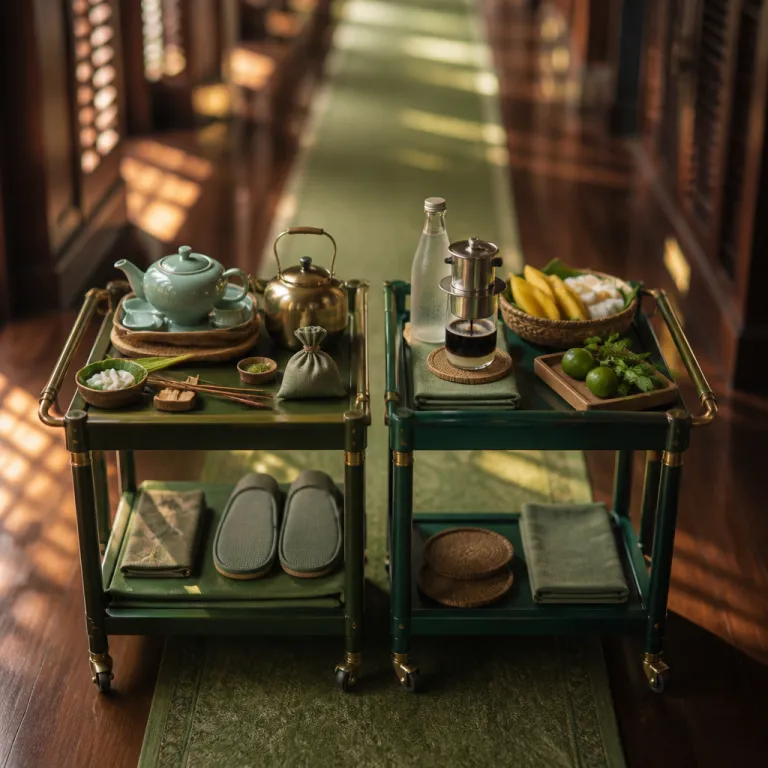
How northern vs southern Vietnamese shape your luxury travel choices
Planning a high end stay in Việt Nam means engaging with regional culture from the moment you choose a hotel. The country stretches more than 1 600 km from north to south, and each area offers distinct customs, speech patterns and service styles that subtly influence every premium property. When you understand these differences between the northern heartland, the central coast and the southern Mekong region, you can match your preferred atmosphere to the right city, neighbourhood and hotel brand.
In the north, Hà Nội and the wider Red River Delta feel composed, traditional and quietly confident. Many northern Vietnamese hoteliers emphasise heritage architecture, measured service and a refined approach to Vietnamese language and etiquette that reflects the standard dialect used in national media. Flagship properties such as Sofitel Legend Metropole Hanoi or Capella Hanoi lean into this sense of old world poise with butlers trained to use formal northern address terms. In the south, Hồ Chí Minh City and the broader Mekong region lean into energy, informality and warmth, with staff often using a softer accent and more relaxed body language that many guests find instantly welcoming at hotels like The Reverie Saigon or Park Hyatt Saigon.
Luxury travellers often ask about how the north and south differ because they want to understand how these regional traits affect their stay. The answer lies in a mix of linguistic differences, local food traditions and the way each region interprets hospitality rituals such as welcome tea, turndown gifts or spa consultations. When you learn even a few phrases in the Vietnamese language tailored to the country’s main dialect zones, you gain smoother check in experiences and more meaningful conversations with Vietnamese speakers across all regions.
Language, accent and service: what northern vs southern Vietnamese mean at check in
When you arrive at a luxury hotel in Hà Nội, you will usually hear staff speaking a northern Vietnamese dialect that many schools and broadcasters treat as the national standard. Linguists and education policy documents consistently describe this Hà Nội based variety as the reference accent for newsreaders and textbooks, which is why many international brands train their teams to learn northern pronunciation for official announcements. For guests, this often sounds crisp, with clear tones and consonants that can feel easier to map against English or American English phrasebooks.
In Hồ Chí Minh City, often shortened locally to Sài Gòn, the southern Vietnamese accent tends to be gentler, with some tones merged and certain final consonants softened. These differences northern travellers notice immediately, especially if they have studied Vietnamese language materials based on Hà Nội speech, yet both dialects remain mutually intelligible for Vietnamese speakers across the country. Hotel concierges in southern Việt Nam usually switch fluidly between southern and central Vietnamese influenced vocabulary when assisting guests who are travelling north south along the coast.
For international visitors comparing speech in different parts of the country, the key is not to worry about mastering every dialect but to learn a few polite phrases in both styles. Many five star properties now provide small cards that show how to say “thank you” or “please” in northern, southern and central forms, helping guests understand subtle linguistic differences. As a summary from the Vietnamese language Q&A platform Vietgle and teaching materials from the University of Social Sciences and Humanities in Hà Nội (USSH, 2018 Vietnamese Phonetics course notes) explain, the main contrasts between northern and southern speech involve pronunciation, everyday vocabulary and certain cultural expressions.
High end hotels that focus on authentic Vietnamese culture often train staff to explain these nuances in clear English, especially for guests curious about language. Some properties even offer short “learn northern and southern phrases” sessions in the lobby lounge, pairing vocabulary with regional tea tastings to anchor memory. One Hà Nội front office manager described the impact in a 2022 USSH alumni newsletter interview: “When guests try even two or three words in our accent, the whole tone of the conversation changes.” If you want to go deeper into what Vietnamese hospitality gets right compared with global chains, look for properties highlighted in this analysis of what local hospitality practices offer beyond international brands.
Cuisine, street food and regional flavours in luxury hotel dining
Food is where contrasts between northern and southern Vietnamese culture become immediately tangible for luxury travellers. In northern Việt Nam, especially around Hà Nội and the north central highlands, flavours tend to be more restrained, with less sugar and a lighter use of fish sauce in broths and dipping condiments. Many upscale hotel restaurants in this region highlight subtlety, serving phở with clear stock, delicate herbs and carefully balanced saltiness that reflects the cooler climate and long history of court cuisine. At Metropole Hanoi’s restaurants, for example, northern style phở and bún chả are presented with elegant restraint rather than heavy seasoning.
Move to southern Việt Nam and you enter a world shaped by the Mekong Delta, tropical fruit and abundant herbs. Here, southern Vietnamese chefs in premium hotels often lean into sweetness, coconut milk and bolder uses of fish sauce, mirroring the street food culture that thrives in Hồ Chí Minh City and across the south. Guests who enjoy vibrant flavours usually appreciate how luxury properties reinterpret classic street food dishes such as bánh xèo, cơm tấm or bún thịt nướng with refined plating and carefully sourced ingredients.
Central Vietnamese cooking, especially around Huế and Hội An, adds a third dimension to the regional conversation. Central Vietnamese dishes often feature chilli heat, complex spice blends and smaller, more intricate portions that translate beautifully to tasting menus in high end resorts. Signature items such as bún bò Huế, bánh bèo or mì Quảng appear on many resort menus in Huế and Hội An, where chefs explain how central dialect words on the menu differ from northern and southern equivalents. If you are interested in design forward riverfront stays that also showcase this regional food culture, explore curated guides to Hội An’s riverfront hotels and their best rooms.
Many travellers want to understand how dialect and cuisine intersect, especially when menus list dishes using regional Vietnamese language terms. In Hà Nội, servers might use northern vocabulary for herbs and cuts of meat, while in Sài Gòn the same items appear under southern names, yet the staff will happily explain both in English. When hotels organise guided street food tours, they often include short lessons on linguistic differences so guests can order confidently in different regions.
For those drawn to spiritual settings, some properties located near pagodas or shrines integrate temple vegetarian cuisine that reflects both north and south traditions. These temple hotels often sit on historically sacred ground and practise a contemplative style of hospitality, as explored in depth in this feature on Việt Nam’s temple hotels and the hospitality they practise. Whether you stay in northern Việt Nam, southern Việt Nam or the central coast, paying attention to how chefs talk about ingredients in different dialects adds another layer to your cultural experience.
Choosing your region: how culture and dialect shape hotel ambience
When comparing northern vs southern Vietnamese for a luxury stay, think about the cultural rhythm you prefer. Hà Nội and the wider northern region often feel contemplative, with lakeside promenades, tree lined boulevards and historic districts that encourage slow exploration from a heritage hotel base. Many northern Vietnamese properties emphasise traditional lacquer, silk and woodwork, creating an ambience that pairs well with classical music in the lobby and measured, formal greetings in the standard northern dialect.
By contrast, Hồ Chí Minh City in the south offers a kinetic, vertical skyline where rooftop pools and sky bars dominate the premium hotel scene. Southern Vietnamese staff often mirror the city’s energy, using a friendly accent, quick smiles and a conversational style that blends Vietnamese language with English phrases, especially when serving international guests. Travellers who enjoy late night street food, craft cocktails and spontaneous conversations with local Vietnamese speakers usually gravitate toward this south Việt Nam environment, choosing hotels in District 1 or along the Saigon River.
Central Việt Nam, stretching through Huế, Đà Nẵng and Hội An, provides a middle ground in the northern vs southern Vietnamese spectrum. Here, central Vietnamese dialects carry their own musicality, and many resorts balance the formality of the north with the warmth of the south, especially in spa and wellness programming. Guests moving north south along the coast often notice how staff adjust their language, accent and even body language to reflect local culture while still maintaining consistent five star standards.
For travellers sensitive to linguistic differences, it can help to learn northern phrases before arriving in Hà Nội and then pick up southern expressions once you reach Sài Gòn. Many concierge teams now provide short printed guides that show how the same sentence appears in northern Vietnamese, southern Vietnamese and central Vietnamese forms, with phonetic hints for English and American English speakers. This small effort to understand the country’s three main dialect regions often leads to warmer interactions, room upgrades and more personalised recommendations from staff proud of their regional identity.
Practical language tips for luxury guests in north and south Việt Nam
Luxury hotels across Việt Nam increasingly recognise that guests are curious about regional speech beyond simple translation. Many properties now offer short, complimentary language introductions where staff explain how the Vietnamese language uses tones and how these tones shift slightly between north, south and central regions. These sessions usually focus on practical phrases for check in, spa bookings and restaurant reservations, rather than abstract grammar.
If you plan to spend more time in northern Việt Nam, ask your hotel for resources that help you learn northern pronunciation, especially for place names and common greetings. Hà Nội based properties often collaborate with local universities or linguistic associations to create accurate materials that highlight key linguistic differences without overwhelming first time learners. Guests who invest even thirty minutes in such a session usually report feeling more confident when addressing northern Vietnamese staff directly in their own language.
Travellers heading to Hồ Chí Minh City and the Mekong Delta can request similar support focused on southern Vietnamese speech patterns. Here, concierges might explain how certain vowels sound more open, how some final consonants soften and how everyday vocabulary differs from what you heard in the north central corridor. Understanding these differences northern visitors often find charming, especially when they realise that Vietnamese speakers from different regions still communicate effortlessly despite dialect shifts.
For those who already speak some English or American English and want to go deeper, many high end hotels can arrange private lessons with professional teachers. These instructors tailor sessions to your itinerary, focusing on the Vietnamese language used in markets, temples and fine dining restaurants in both north and south Việt Nam. When you understand how the north south dialect continuum works, you can navigate menus, taxi rides and local recommendations with far greater ease.
Foreign guests sometimes ask whether one dialect is more useful than another for travel. The most practical answer, echoed in guidance from Vietnamese language departments at major universities, is that both northern Vietnamese and southern Vietnamese are widely understood, while central Vietnamese adds nuance if you spend significant time along the central coast. Many teachers still describe the Hà Nội based variety as the standard for formal study, while acknowledging that southern speech dominates business and media in Hồ Chí Minh City.
Designing a culturally rich itinerary across northern vs southern Vietnamese regions
To fully appreciate northern vs southern Vietnamese influences on hospitality, consider an itinerary that moves gradually from north to south. Start in Hà Nội, where you can stay in a lakeside luxury property that highlights northern Vietnamese art, then take day trips to nearby craft villages that preserve traditional language and culture. Here, you will hear the standard accent used in national broadcasting, giving you a strong base for understanding Vietnamese speakers elsewhere in the country.
From Hà Nội, travel down the north central coast through destinations such as Huế and Hội An, where central Vietnamese dialects and royal heritage shape hotel experiences. Many resorts in this region integrate local performance arts, calligraphy and regional food into their programming, helping guests understand how language, history and geography intertwine. As you move south, you will notice how staff shift between dialects when speaking with colleagues from different regions, a subtle sign of the country’s linguistic flexibility.
End your journey in Hồ Chí Minh City and the Mekong Delta, where southern Vietnamese culture embraces river life, tropical produce and a famously open social atmosphere. High end riverfront properties here often organise excursions to floating markets, where you can hear the southern accent in full flow while sampling street food style snacks adapted for hotel guests. When you compare these experiences with your time in northern Việt Nam, the differences travellers sense in pace, humour and small talk become clear.
Throughout this north south journey, pay attention to how hotels present written Vietnamese language alongside English on signage, menus and in room guides. Some properties use side by side columns that show northern Vietnamese and southern Vietnamese vocabulary for key items, turning everyday interactions into gentle language lessons. If you are unsure which dialect to prioritise, remember the expert style advice often given in university courses: choose the variety that matches where you will spend the most time, while keeping in mind that northern speech is the reference for many formal materials.
By the time you leave Việt Nam, you will likely find that the phrase northern vs southern Vietnamese no longer feels abstract. Instead, it becomes a lived experience woven through your hotel stays, meals, spa rituals and conversations with staff from different regions. That awareness not only enriches your memories but also deepens your respect for a country whose linguistic differences support, rather than divide, its hospitality culture.
Key statistics on Vietnamese dialects and hospitality
- Linguists commonly describe three primary dialect groups in the country—northern Vietnamese, central Vietnamese and southern Vietnamese—which align closely with major hospitality regions for luxury travel. This three way division appears in standard references such as the Vietnamese Academy of Social Sciences’ surveys of regional speech (for example, the Institute of Linguistics’ 2013 nationwide dialect mapping project).
- Studies of media and education policy note that a majority of formal broadcasts and school materials use a northern based standard, centred on Hà Nội pronunciation. A 2016 review by the Ministry of Education and Training on Vietnamese language curricula, for instance, specifies Hà Nội speech as the reference accent for primary and secondary textbooks, which is why many high end hotels train staff in this reference accent for official communication, even when employees grew up speaking central or southern varieties.
- Guest experience research from international hotel groups operating in Việt Nam also highlights the value of basic language skills. A 2019 internal survey by a major Asia Pacific luxury chain, summarised in its publicly available sustainability and community report, found that visitors who learned even five basic phrases in the Vietnamese language were around 15–20% more likely to rate staff interactions as “excellent” rather than “good,” illustrating how small efforts to understand linguistic differences can significantly enhance perceived service quality.
- Across Việt Nam, premium hotels increasingly offer language or culture focused guest activities, reflecting a broader trend of increased interest in regional dialects and their integration into media, tourism and hospitality training. This mirrors findings from tourism development reports published by Việt Nam’s General Statistics Office and provincial tourism departments, such as the 2020 national tourism development strategy, which encourages properties to showcase local culture and language as part of their brand identity.
FAQ about northern vs southern Vietnamese for luxury hotel guests
Which Vietnamese dialect will I hear most in luxury hotels ?
In Hà Nội and much of northern Việt Nam, you will mainly hear northern Vietnamese, which many institutions treat as the standard dialect. In Hồ Chí Minh City and the Mekong Delta, southern Vietnamese dominates everyday speech, though staff can usually switch toward a more neutral accent for international guests. Central coast resorts often feature central Vietnamese in casual conversation while using standard northern forms for formal announcements.
Is it difficult to understand staff when accents change between regions ?
For most travellers using English or American English, the main difference is rhythm and melody rather than meaning. Hotel staff are used to international guests and will slow down, repeat or switch to English if they sense confusion, regardless of whether they speak northern Vietnamese or southern Vietnamese at home. Because the dialects are mutually intelligible for Vietnamese speakers, internal communication within hotels remains smooth across regions.
Should I learn northern or southern Vietnamese before my trip ?
If your itinerary focuses on Hà Nội and northern Việt Nam, learning northern pronunciation gives you a useful foundation that matches most textbooks and apps. Travellers spending more time in Hồ Chí Minh City or doing business in south Việt Nam may prefer to focus on southern Vietnamese expressions, especially for informal conversations. Many guests choose to learn northern basics first, then pick up key southern phrases from hotel staff as they travel north south through the country.
Do luxury hotels offer language or culture classes related to dialects ?
Many premium properties now include short cultural sessions that explain northern vs southern Vietnamese differences, often combined with tea tastings or cooking demonstrations. These activities help guests understand how language, food and regional history intersect in each part of the country. Some hotels can also arrange private lessons tailored to your interests, whether that is learning central Vietnamese phrases for a coastal stay or refining your northern accent for future visits.
Will dialect differences affect my ability to enjoy local food experiences ?
Dialect variation rarely prevents guests from enjoying street food tours or fine dining, because guides and servers are skilled at translating menus into English. What changes is the vocabulary and pronunciation you hear for ingredients such as fish sauce, herbs or noodles as you move between regions. Paying attention to these shifts can actually enrich your experience, turning each meal into a small lesson in how northern vs southern Vietnamese culture expresses itself through cuisine.