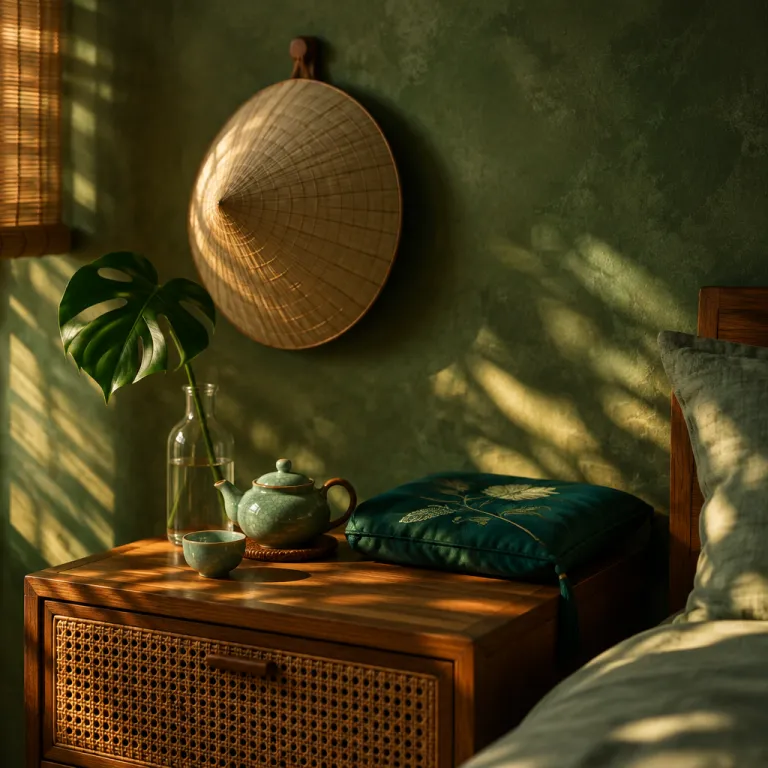
How vietnam hotel design interior reveals the region before you unpack
Step into a vietnam hotel room and the design often tells you the region long before the receptionist finishes the check in ritual. In Vietnam, hotel interiors are not just decoration ; they are a quiet map of the country, from lacquered headboards in Hà Nội to salt bleached furniture on Côn Đảo, and understanding these cues will change how you choose every luxury hotel on your list. When you start reading vietnam hotel design interior this way, each room becomes a project in storytelling rather than a generic place to sleep.
Look first at the hotel interior materials under your feet and around the bed, because they usually reveal whether the property leans into northern, central or southern street life. Polished cement floors paired with dark wood furniture and a restrained interior design palette often signal a contemporary Saigon centre aesthetic, while patterned encaustic tiles and shuttered windows in a hotel Saigon room usually reference the city’s colonial past without saying a word. In contrast, a vietnam hotel along the central coast might create a softer design hotel mood with woven rattan, pale local stone and textiles that echo Cham motifs in both singular room details and larger public spaces.
Lighting is the next cue in any serious review of vietnam hotel design interior, and it separates thoughtful hotels from those chasing quick awards. In Hồ Chí Minh City, for example, a studio that understands the climate will use layered lighting so the room feels cool at midday yet intimate at night, while still framing the city skyline rather than fighting it. When a hotel or several hotels in the same brand ignore this and rely on harsh overhead LEDs, you can be sure the interior was value engineered rather than crafted as a full hospitality project with long term comfort in mind.
Northern lacquer, central textiles, southern concrete: decoding regional identity
Once you start paying attention, regional identity in vietnam hotel design interior becomes as obvious as the accent of the receptionist. In the north, especially in Hà Nội or in a quiet corner of Hồ Chí Minh City that borrows northern cues, you will often see deep red lacquer, gold leaf details and carved wood furniture that echo traditional Vietnamese homes, even inside a sharp design hotel tower. These touches can feel ceremonial in singular pieces, yet when repeated thoughtfully across several rooms they create a calm, almost temple like hotel interior that still works for modern travelers.
Central Vietnam tells a different story through fabric and pattern, and the best hotels along the Hội An riverfront or near Huế use textiles as their primary design language. When you book a property from a curated design lovers guide to Hoi An’s riverfront hotels, you will notice handwoven throws, Cham inspired cushions and lantern like lighting that reference the trading history of the city without sliding into theme park territory. Here, vietnam hotel design interior often relies on open air corridors, clay tiles and weathered timber to keep rooms cool, while the furniture tends to be lighter, with slim profiles that echo the silhouettes of traditional river boats.
Further south, especially around Saigon centre and down toward the Mekong, contemporary vietnamese architects embrace concrete, glass and local stone to create hotel interiors that feel urban yet rooted. A well executed hotel Saigon project might pair exposed concrete ceilings with warm wood, terrazzo floors and a few bold pieces of art that reference street life rather than colonial nostalgia, giving the room a confident sense of place. When you see this balance of raw structure and refined interior design, you know the studio behind the project understands that vietnam hotel rooms can be both modern and unmistakably local.
From colonial tiles to courtyard showers: what architecture and bathrooms reveal
Architecture is where vietnam hotel design interior either respects history or hides behind it, and you can read that choice in the first five minutes. When a luxury hotel preserves original tile floors, timber shutters and ceiling fans yet upgrades the acoustics, glazing and air conditioning, the result feels like a carefully edited review of the building’s past rather than a museum piece. If, instead, you find crumbling tiles, stiff windows and noisy ceiling fans in several rooms, the so called heritage charm usually signals underinvestment rather than character.
The bathroom is an even more honest critic of hotel design, because it reveals where the budget and imagination actually went. In a serious vietnam hotel project, you will often see Vietnamese marble or local granite underfoot, rainfall showers with strong water pressure and ceramic basins that reference traditional craft villages while still feeling crisp and contemporary. When the bathroom layout creates a small courtyard style wet room with plants, natural light and good ventilation, you can be sure the interior design team treated this space as part of the overall hotel interiors narrative, not an afterthought.
Pay attention to how the bathroom connects to the bedroom, since this transition often separates a true design hotel from a standard property. Frosted glass partitions, sliding timber screens or low walls that frame the tub without exposing everything will create intimacy while still letting light flow through the room. For more inspiration on how architecture, ritual and hospitality intersect in vietnam hotel design interior, look at temple focused properties featured in guides to Vietnam’s temple hotels and the hospitality they practice, where thresholds, courtyards and pools are choreographed with almost spiritual precision.
The furniture test: artisans, brands and the wink of personality
Furniture is where vietnam hotel design interior either becomes a living gallery of Vietnamese craft or collapses into anonymous catalog pieces. Run your hand along the desk or bedside table ; if the wood feels solid, the joints are clean and the finish reveals grain rather than hiding it, you are probably looking at work from an artisan workshop in places like Hội An, Bát Tràng or Thanh Hà. When every room on your list has the same generic chair and glossy veneer, the hotel has likely chosen mass produced furniture that will age quickly and tell you nothing about where you are.
Some of the most interesting hotel interiors in Hồ Chí Minh City come from collaborations between local makers and international designers who respect vietnamese craft rather than imitating it. In these projects, a design studio might commission handwoven rattan headboards, custom ceramic lamps and low sofas inspired by street life, then pair them with precise metal detailing that feels more Tokyo than tropical cliché. The result is a vietnam hotel room where each piece of furniture carries a story, yet the full composition remains calm enough for a romantic stay rather than a design showroom.
Even branded properties can pass the furniture test when they allow a little personality to wink through the standard specifications. A thoughtful brand will create a core interior design language, then adapt it with local woods, region specific textiles and art that references the surrounding city or island, whether that is Saigon centre or Côn Đảo. When you see this balance between consistency and locality across several hotels in the same brand, you know the hotel design team understands that travelers remember the chair they read in and the table where they shared food and beverage as much as the view from the balcony.
Urban grit, new Vietnamese minimalism and the rise of Wink Hotels
Urban vietnam hotel design interior has shifted decisively away from heavy nostalgia toward a leaner, more confident minimalism, and Hồ Chí Minh City is leading that charge. Properties like Wink Hotel Saigon Centre show how a brand can channel street life energy into compact rooms that still feel premium, using bold color blocking, efficient layouts and just enough storage for a long weekend. The Wink brand philosophy is simple ; strip away what guests do not use, then invest in what they touch most, from high quality mattresses to smart lighting and intuitive technology.
Behind this new wave of hotel design, you will often find collaborations between Vietnamese and international designers who understand both context and craft. At Wink Hotels, for example, the creative direction has involved figures such as architect Reda Amalou and designer Stéphanie Ledoux, whose Amalou Stéphanie partnership brings a Paris Saigon dialogue to the brand’s interiors without drowning them in imported ideas. Their work on each project shows how a consistent hotel interior language can still flex to reflect the surrounding city, whether that is a dense Minh City neighborhood or a future outpost near the coast.
For travelers who care about vietnam hotel design interior, these urban properties offer a different kind of luxury hotel experience, one measured in smart planning rather than marble thickness. Rooms may be smaller, but the design will often feel more intentional, with integrated furniture, strong Wi Fi, generous showers and public spaces that double as co working lounges and casual food and beverage hubs. If you want a deeper dive into how high end Vietnamese properties think about space, materials and atmosphere, look to specialist guides on luxury and premium hotel booking in Vietnam that focus on interior design inspirations for discerning travelers, where Wink Hotels often appear alongside more traditional resorts.
Reading brands, awards and reviews without losing your own taste
Once you start decoding vietnam hotel design interior, glossy awards and marketing copy become easier to read with a critical eye. A property might highlight a long list of design awards, but your own review should begin with the basics ; does the room layout make sense, is there enough natural light, and do the materials feel good under bare feet. If the answer is no, the trophies on the wall matter less than the quiet discomfort you will feel every morning and night.
Brand names can help, yet they should never replace your own instincts about hotel interiors and atmosphere. When you see a vietnamese or international brand associated with designers like Reda Amalou or Stéphanie Ledoux, you can usually expect a certain rigor in the way furniture, lighting and circulation are handled, even in smaller rooms. Still, the real test is how the space makes you feel ; a gold accent here, a clever storage solution there and a subtle wink to local street life will tell you more than any press release.
As you plan your trip, use photos, floor plans and guest comments to build your own shortlist of vietnam hotel options that align with your taste. Look for repeated mentions of thoughtful interior design, strong food and beverage programs and staff who understand how to create atmosphere, not just provide service. When you finally step into the room, you will be ready to read every cue, from the weight of the key card to the view from the bed, and you will know exactly why this particular hotel, in this particular city, feels right for your stay.
FAQ
How can I tell if a Vietnam hotel room has authentic local design ?
Authentic vietnam hotel design interior usually shows up in materials and craft rather than in obvious souvenirs. Look for local stone, Vietnamese woods, handwoven textiles and ceramics from known craft villages instead of generic prints of rice fields. When these elements are integrated into the architecture and furniture, not just placed on shelves, the room is more likely to reflect real local culture.
What is the difference between a design focused hotel and a standard property in Vietnam ?
A design hotel in Vietnam treats layout, light and materials as part of a coherent story, while a standard property often relies on catalog furniture and generic décor. In a design focused room, circulation feels intuitive, storage is well planned and the bathroom is as considered as the bedroom. You will also notice that public spaces, from the lobby to the bar, share the same interior design language.
Are smaller urban rooms in places like Hồ Chí Minh City still comfortable for couples ?
Compact rooms in dense areas such as Saigon centre can be very comfortable when the hotel design is intelligent. Look for integrated furniture, good soundproofing, strong water pressure and thoughtful lighting that allows one person to read while the other sleeps. Brands like Wink Hotels show how smaller footprints can still feel premium when every square metre is carefully planned.
How much attention should I pay to design awards when choosing a Vietnam hotel ?
Design awards can signal that a project has been recognized by professionals, but they should not be your only filter. Use them as a starting point, then read guest reviews and study photos to see how the interiors have aged and how functional the rooms appear. Your own comfort, sleep quality and sense of place matter more than any trophy.
What bathroom features indicate a higher quality stay in Vietnamese hotels ?
In vietnam hotel design interior, a well considered bathroom often includes local stone or marble, a spacious shower with consistent hot water and good ventilation. Courtyard style wet rooms, quality fixtures and thoughtful lighting are strong indicators that the interior design team prioritized daily comfort. When these details are present, the overall stay usually feels more luxurious and relaxing.