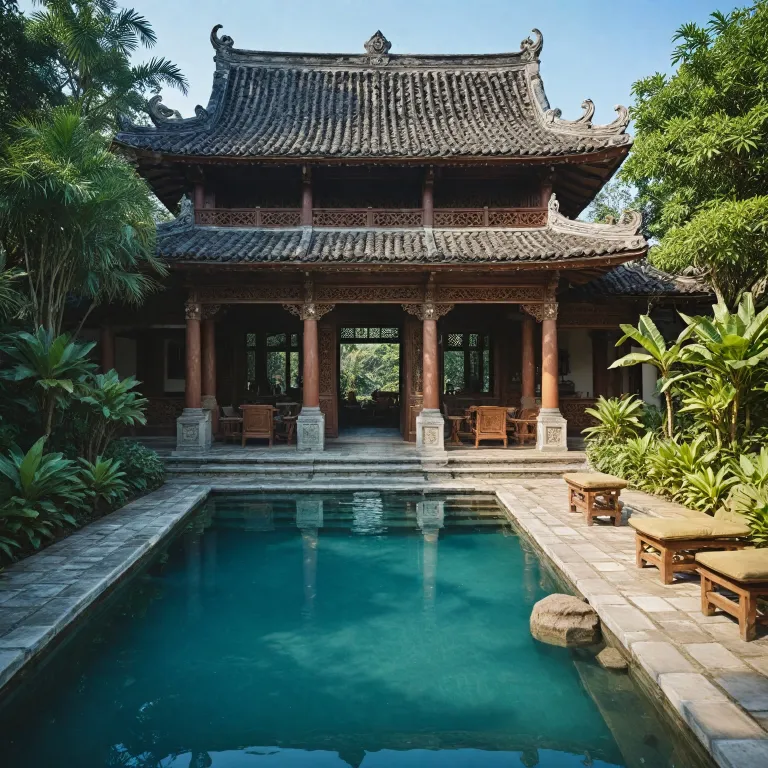
Historic elegance: the unique charm of Vietnam luxury heritage hotels
Vietnam luxury heritage hotels offer a rare blend of history, architecture, and refined hospitality. In cities like Hanoi and Ho Chi Minh City, these hotels stand as living monuments, each with a story etched into their grand facades and opulent interiors. The Sofitel Legend Metropole Hanoi, for example, is a celebrated hotel in the heart of the city, renowned for its colonial architecture and legendary service. Guests can book a stay in a villa bedroom or suite that overlooks the city or a tranquil pool, immersing themselves in the heritage of Vietnam while enjoying modern luxury.
Travelers seeking a retreat with a sense of place will find these hotels Vietnam offer more than just accommodation. The Dalat Palace Heritage Hotel in the Central Highlands is a testament to French colonial grandeur, while the Hotel Majestic Saigon in Ho Chi Minh City boasts panoramic river views and a storied past. Each hotel is meticulously restored to preserve its original charm, blending heritage with contemporary amenities such as pools, spas, and Michelin Guide-recommended dining. This seamless integration of past and present is what sets Vietnam luxury heritage hotels apart for those who value authenticity and elegance.
Whether you choose to book a stay at the Sofitel Legend Metropole Hanoi, the Capella Hanoi, or the InterContinental Danang Sun Peninsula Resort, you are not just reserving a room—you are securing a place in Vietnam’s living history. These hotels are ideal for travelers who wish to explore the city’s vibrant culture by day and retreat to a sanctuary of luxury by night. The experience is further enhanced by attentive service and curated activities that celebrate Vietnam’s rich traditions.
Architectural grandeur and cultural significance in heritage hotels
The architectural splendor of Vietnam luxury heritage hotels is a defining feature that draws discerning guests from around the world. In Hanoi, the Metropole Hanoi and Capella Hanoi exemplify the city’s blend of French colonial and Vietnamese influences. Their facades, adorned with intricate detailing, evoke a sense of timelessness, while interiors showcase period furnishings and art. The legend of these hotels is not only in their design but also in their role as cultural landmarks, hosting dignitaries and artists throughout history.
In central Vietnam, properties like Azerai La Residence, Hue, and the InterContinental Danang Sun Peninsula Resort offer guests the chance to explore the region’s imperial heritage. These hotels Vietnam are often located near UNESCO World Heritage sites, making them perfect bases for cultural exploration. The Nam Hai, a renowned villa and pool retreat in Hoi An, provides guests with panoramic views of the sea and easy access to the ancient town. Each villa bedroom is designed to reflect the local heritage, with handcrafted details and luxurious amenities.
For those seeking a more secluded escape, the Six Senses Con Dao and Banyan Tree Lang Co offer luxury retreats on pristine beaches. These resorts emphasize sustainability and harmony with nature, providing guests with a unique perspective on Vietnam’s natural beauty. The integration of heritage and eco-consciousness is increasingly important for travelers who value both luxury and responsible travel. For more insights on luxury travel experiences, explore our comprehensive guide to Vietnam’s premium hotels.
Signature experiences: pools, spas, and culinary journeys
One of the hallmarks of Vietnam luxury heritage hotels is their commitment to providing exceptional experiences beyond accommodation. Pools are often central features, offering guests a serene oasis in the midst of bustling cities or lush landscapes. The pool at the Sofitel Legend Metropole Hanoi, for example, is surrounded by tropical gardens, creating a tranquil retreat after a day of exploring the city. In Hoi An, the Nam Hai’s infinity pool offers sweeping views of the coastline, while the Six Senses Con Dao boasts private pools for each villa bedroom.
Spas at these hotels Vietnam draw inspiration from traditional Vietnamese wellness practices, offering treatments that incorporate local ingredients and techniques. Guests can indulge in massages, facials, and holistic therapies designed to rejuvenate both body and mind. Culinary experiences are equally impressive, with many heritage hotels featuring restaurants recognized by the Michelin Guide. From bed and breakfast options to fine dining, guests can savor the flavors of Vietnam in elegant settings.
Travelers are encouraged to book their stay in advance, especially during peak seasons, to secure access to these sought-after amenities. The combination of heritage, luxury, and personalized service ensures that every day spent at these hotels is memorable. For those interested in exploring more about Vietnam’s luxury accommodations, visit our in-depth review of heritage hotels.
Immersive cultural activities and local exploration
Vietnam luxury heritage hotels are gateways to immersive cultural experiences. Many properties offer curated activities that allow guests to explore the city’s history, art, and cuisine. In Hanoi, guests at the Metropole Hanoi can join guided tours of the hotel’s historic bomb shelter or participate in Vietnamese cooking classes. The Capella Hanoi organizes performances and art exhibitions that celebrate the city’s creative spirit.
In central Vietnam, hotels such as Azerai La Residence, Hue, and the Nam Hai provide easy access to imperial tombs, ancient pagodas, and vibrant markets. Guests can embark on day trips to UNESCO-listed sites or enjoy private tours led by local experts. The emphasis on authentic experiences extends to the culinary realm, where guests can sample regional specialties and learn about traditional cooking methods.
For those seeking relaxation, resorts like Amanoi and Six Senses Con Dao offer yoga sessions, meditation retreats, and nature walks. These activities are designed to foster a deeper connection with Vietnam’s landscape and heritage. As interest in sustainable and culturally immersive travel grows, heritage hotels continue to innovate, offering new ways for guests to engage with their surroundings.
Booking strategies and tips for a seamless stay
Securing a room at Vietnam luxury heritage hotels requires careful planning, especially during high-demand periods. It is advisable to book accommodations well in advance, particularly if you wish to stay in iconic properties such as the Sofitel Legend Metropole Hanoi or the Hotel Majestic Saigon. Many hotels Vietnam offer exclusive packages that include villa bedroom upgrades, spa treatments, and guided tours, enhancing the overall value of your stay.
When booking, consider the location and amenities that best suit your travel preferences. City hotels like the Metropole Hanoi and Capella Hanoi are ideal for those who wish to explore urban attractions, while resorts in Hoi An, Phu Quoc, and Con Dao provide tranquil retreats by the sea. Look for properties that feature pools, Michelin Guide dining, and immersive cultural programs to make the most of your experience.
Travelers are encouraged to respect local customs and traditions during their stay, as this enhances both personal enjoyment and cultural preservation. By choosing heritage hotels, guests contribute to the ongoing restoration and maintenance of these historic landmarks. As one expert notes, “A heritage hotel is typically housed in a historic building and retains its original architecture and cultural significance while offering modern amenities.” This commitment to authenticity and excellence is what makes Vietnam’s luxury heritage hotels truly exceptional.
Modern amenities and sustainable luxury in heritage hotels
While steeped in history, Vietnam luxury heritage hotels are equipped with state-of-the-art amenities to meet the needs of contemporary travelers. High-speed Wi-Fi, air conditioning, and modern fitness centers are standard features, ensuring comfort without compromising the property’s historic character. Many hotels Vietnam have also embraced sustainability, implementing eco-friendly practices such as energy-efficient lighting, water conservation, and locally sourced materials.
Resorts like Six Senses Con Dao and Amanoi are at the forefront of sustainable luxury, offering guests the opportunity to participate in marine conservation and community outreach programs. These initiatives align with the growing demand for responsible travel and reflect Vietnam’s commitment to preserving its natural and cultural heritage. Guests can enjoy the best of both worlds: the elegance of a heritage hotel and the peace of mind that comes with sustainable practices.
Dining at these hotels is a celebration of Vietnam’s culinary heritage, with menus that highlight seasonal ingredients and traditional recipes. Whether enjoying a bed and breakfast in the heart of the city or a multi-course meal at a Michelin Guide restaurant, guests are treated to an unforgettable gastronomic journey. The combination of luxury, heritage, and sustainability ensures that every stay is both indulgent and meaningful.
Vietnam luxury heritage hotels: key statistics and frequently asked questions
- Number of heritage hotels in Vietnam: 10 hotels
- Average age of heritage hotels: 100 years
Frequently asked questions about Vietnam luxury heritage hotels
What defines a heritage hotel?
A heritage hotel is typically housed in a historic building and retains its original architecture and cultural significance while offering modern amenities.
Are heritage hotels in Vietnam expensive?
Prices vary, but many heritage hotels in Vietnam offer luxury accommodations that can be more expensive than standard hotels.
Do heritage hotels offer modern amenities?
Yes, most heritage hotels combine historic charm with modern comforts, including Wi-Fi, air conditioning, and contemporary dining options.
References: Official hotel websites, reputable travel publications, historical archives.