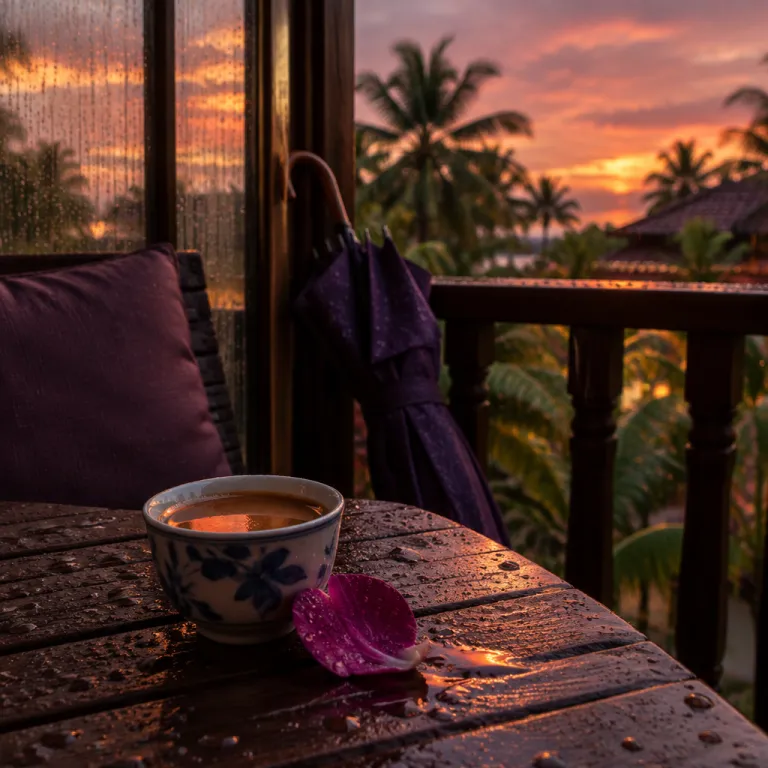
Understanding when the rainy season shapes luxury travel in Vietnam
When people ask when is the rainy season in Vietnam, they are really asking how the monsoon months will shape their luxury stay. Vietnam stretches more than 1 600 km north–south, so rainfall patterns change dramatically between each region and every city. For premium travelers, understanding this Vietnam weather rhythm is the first step to choosing the best time to visit Vietnam in style.
In northern Vietnam, including Hanoi and Hạ Long Bay, the main rainy season usually runs from May to September, with July and August bringing the heaviest rain and the most humid days. Climatological summaries from the Vietnam Meteorological and Hydrological Administration (VMHA) report average July rainfall in Hanoi at roughly 200 mm, which means short but intense showers that can affect your time to visit outdoor sites. These northern temperatures stay warm, yet the combination of heat and rain makes a well chosen luxury hotel with a strong spa and indoor pool program especially valuable.
Central Việt Nam follows a different weather script, and this is where many travelers get confused about the best time to travel Vietnam for high end beach stays. Official guidance from VMHA and regional hydrometeorological centers explains the pattern clearly through public advisories and seasonal timelines. Their experts address a key concern directly: “When is the rainy season in Central Vietnam?” and “Is it safe to travel during the rainy season?” which helps luxury guests plan with confidence.
North, central, south; how regional rainy seasons affect top destinations
To plan a refined itinerary, you need to separate northern Vietnam, central Vietnam, and south Vietnam in your mind, because each region has its own rainy season and dry season that shape both sightseeing and hotel choice. In the north, the best time for many travelers is the cooler dry months, when Hanoi’s city streets feel crisp and Hạ Long Bay cruises enjoy clearer skies and gentler rain patterns. During the main rainy months, you can still visit Vietnam in comfort by choosing luxury properties that offer chauffeured transfers, private guides, and flexible touring hours around the heaviest showers.
Central Vietnam, including Đà Nẵng, Hội An, Huế, and the central coast, experiences its peak rainy season roughly from September to December, with October and November often bringing the most intense rain. According to regional climate summaries, Đà Nẵng can receive more than 550 mm of rain in October alone, which explains why some days are better suited to spa rituals than sun loungers. This means that the best time to enjoy long beach days in this central region usually falls outside those months, especially if you want calm seas and stable temperatures for water activities. When you book premium resorts along the central coast, check whether their spa, wellness, and dining concepts are designed to keep guests engaged during extended rainy days.
Southern Vietnam, including Hồ Chí Minh City and the Mekong Delta, follows a more classic tropical monsoon pattern with a clear rainy season and a clear dry season. Here, the rainy months typically stretch from around May to October, with short afternoon downpours that rarely cancel an entire day of travel. For guests seeking resort escapes in Việt Nam’s top destinations for luxury stays, this southern pattern means you can often enjoy sunny mornings, then retreat to your suite or spa when the Vietnam rainy clouds roll in; a rhythm that many seasoned travelers actually appreciate.
For more detail on curated resort escapes in Việt Nam’s top destinations for luxury stays, you can consult this dedicated guide on resort escapes in Vietnam’s top destinations for luxury stays. It helps align your preferred season, your ideal weather, and your expectations for service. Matching these three elements is essential when you design a seamless premium journey across the country.
Aligning rainy patterns with luxury city breaks and cultural stays
Luxury travelers often combine several cities in one trip, so understanding seasonal rainfall for each stop is crucial. In Hồ Chí Minh City, often called Sài Gòn or Ho Chi Minh City, the rainy months bring dramatic afternoon storms that sweep across the skyline, then clear to reveal glowing sunsets over the Saigon River. High end hotels in this southern city are well prepared, offering covered rooftop bars, indoor pools, and limousine services that keep you dry between meetings, galleries, and restaurants.
In Hanoi and other northern Vietnam cultural hubs, the rainy season from May to September can actually enhance certain experiences, such as misty views over lakes and softer light in the Old Quarter. However, heavy rain and higher temperatures mean you should prioritize properties with strong air conditioning, attentive concierge teams, and flexible check in policies that adapt to delayed flights or weather related changes. When you plan your time to visit museums, temples, and heritage sites, aim for early morning or early evening, leaving the wettest hours for spa rituals or afternoon tea.
Rail journeys along the central coast are another elegant way to travel Vietnam during mixed weather, especially if you prefer to avoid domestic flights on stormy days. Before booking, it is wise to understand how the rainy season in central Vietnam can affect train schedules, particularly during October and November. A practical resource for planning such journeys is this guide to luxury train travel in Vietnam, which explains what to know before booking premium services like The Vietage or the Jinxin, both of which operate on key coastal routes.
Beach destinations and islands; timing your stay with Vietnam’s changing skies
For many guests, the central question is not only when is the rainy season in Vietnam, but when is the best time to enjoy its beaches and islands in full comfort. The answer depends on whether you focus on the central coast, south Vietnam, or more sheltered bays such as Nha Trang and Hạ Long Bay. Each area has its own blend of dry season sunshine, shoulder season showers, and peak rainy weeks that can influence sea conditions and visibility.
Along the central coast, destinations like Đà Nẵng, Hội An, and Quy Nhơn usually shine during the months outside the September to December rainy season, when seas are calmer and beach clubs can operate full days without interruption. Nha Trang, slightly further south, often enjoys a longer stretch of swimmable weather, though October and November can still bring stronger rain and choppier seas. When you book a luxury resort here, ask about their wet weather facilities, such as indoor wellness areas, private cinemas, and covered dining terraces that keep your stay refined even during a Vietnam rainy afternoon.
Island escapes such as Phú Quốc in southern Vietnam follow the broader south Vietnam pattern, with a pronounced rainy season and a more settled dry season. During the wettest months, the Mekong Delta and Phú Quốc can experience heavy showers, yet many high end properties turn this into an atmospheric backdrop with in villa dining, spa journeys, and curated cultural activities. If your time visit these southern regions falls in the rainy months, choose resorts with strong drainage, elevated walkways, and responsive guest services that can adjust excursions around the most intense rain.
How rainy seasons influence luxury hotel selection and on site experience
Once you understand when is the rainy season in Vietnam for each region, you can use that knowledge to refine your hotel choices and on site expectations. In northern Vietnam, for example, a city hotel in Hanoi with a heated indoor pool, a serious spa, and private car services can transform a wet day into a highlight. Properties such as Sofitel Legend Metropole Hanoi or Capella Hanoi illustrate how heritage architecture, deep soaking tubs, and butler service can make a monsoon evening feel indulgent rather than inconvenient. In Hạ Long Bay, selecting a premium cruise with spacious cabins, high quality insulation, and flexible itineraries allows you to enjoy the scenery even when the rain and wind pick up.
In central Vietnam, the rainy season from September to December means that beachfront properties must offer more than just sun loungers and outdoor pools to satisfy discerning guests. Look for resorts with strong culinary programs, cultural workshops, and wellness retreats that turn stormy days into restorative interludes rather than disruptions. At high end retreats such as Four Seasons Resort The Nam Hai near Hội An or InterContinental Danang Sun Peninsula Resort, guests often spend rainy afternoons in cooking classes, meditation sessions, or tasting menus that showcase regional cuisine. Many leading hotels now coordinate closely with VMHA and local forecasting centers, using advanced weather data and AI enhanced prediction tools to adjust activity schedules and keep guests informed.
Southern Vietnam luxury stays, from Hồ Chí Minh City to the Mekong Delta and Phú Quốc, benefit from a more predictable pattern of short daily showers during the rainy months. High end properties here often design their daily rhythm around the weather, scheduling excursions in the morning, spa treatments in the early afternoon, and rooftop cocktails once the rain has passed. When you compare options across north–south itineraries, prioritize hotels that communicate clearly about seasonal conditions and offer flexible cancellation or rebooking policies during the peak rainy season.
For travelers who want to align refined local experiences with the right season and weather, this in depth guide to Vietnam markets for luxury travelers seeking refined local experiences can be especially useful. It helps you match specific markets, festivals, and cultural events with the best time and place to stay. This kind of planning ensures that even a Vietnam rainy afternoon becomes part of a richer narrative rather than an inconvenience.
Practical planning tips for rainy season luxury travel in Vietnam
Knowing when is the rainy season in Vietnam is only the first step; the second is preparing intelligently so your premium stay remains smooth. Pack lightweight waterproof clothing, quick drying layers, and elegant yet practical footwear that can handle wet pavements in any city. Many luxury hotels provide umbrellas and rain ponchos, but having your own tailored wardrobe ensures you feel polished in both dry and rainy conditions.
Before each travel day, check updated Vietnam weather forecasts from reliable sources such as VMHA, which uses rain gauges, satellite imagery, and AI enhanced models to refine predictions. Their work with local governments and tourism agencies aims to reduce weather related incidents and minimize disruptions, which directly benefits high end travelers who value punctual transfers and well timed excursions. Climate change has increased rainfall intensity in some regions, so even during the traditional dry season you may encounter short, sharp showers that require flexible planning.
When you design a north–south itinerary, consider building in buffer days in regions where the rainy season can be more disruptive, such as central Vietnam in October or the Mekong Delta during peak monsoon. Use those days to enjoy spa treatments, cooking classes, or private tastings within your hotel, turning potential delays into curated experiences. With this approach, the question of the best time to visit Vietnam becomes less about avoiding every drop of rain and more about orchestrating a journey where the season, the weather, and your chosen hotels work together harmoniously.
Key figures and climate insights for planning your stay
- Average rainfall in Hanoi during July reaches around 200 mm, according to long term VMHA climate normals, which marks the peak of the northern Vietnam rainy season and influences how many outdoor activities you can comfortably schedule.
- In many parts of northern Vietnam, the main rainy season typically spans from May to September, while central Vietnam often sees its heaviest rain between September and December, creating two distinct monsoon windows that travelers must consider when combining regions.
- Southern Vietnam, including Hồ Chí Minh City and the Mekong Delta, usually experiences a rainy season from roughly May to October and a clearer dry season outside those months, which allows luxury travelers to plan beach and river stays with relatively predictable patterns.
- Tourism and meteorological agencies in Vietnam increasingly use satellite imagery and AI based forecasting tools to issue more accurate short term weather advisories, helping hotels adjust excursions and reducing weather related disruptions for guests.
FAQ about rainy seasons and luxury hotel stays in Vietnam
When is the rainy season in central Vietnam, and how does it affect resorts ?
The main rainy season in central Vietnam usually runs from around September to December, with October and November often bringing the heaviest rain and occasional storms. During these months, beachfront resorts may face rougher seas and more frequent downpours, so properties with strong indoor facilities and flexible activity programs are preferable. Many high end resorts adjust their schedules daily based on updated forecasts to keep guests comfortable.
Is it safe to travel during the rainy season in Vietnam for luxury trips ?
Yes, it is generally safe to travel during the rainy season in Vietnam, especially if you follow official advisories and work with hotels that monitor conditions closely. VMHA and local authorities issue warnings when severe weather is expected, allowing properties to modify excursions or transport plans. Luxury hotels typically have contingency arrangements, such as alternative routes or indoor experiences, to maintain a high standard of comfort.
What is the best time to visit Vietnam for a combined Hanoi, Hội An, and Hồ Chí Minh City itinerary ?
For a north–south itinerary that includes Hanoi, Hội An, and Hồ Chí Minh City, many travelers prefer months when the risk of heavy rain is lower in central Vietnam, often outside the September to December window. Hanoi and Hồ Chí Minh City can be visited comfortably for most of the year, but aligning your dates to avoid central storms improves your chances of smooth beach and heritage experiences. A travel advisor or hotel concierge can help fine tune dates based on current Vietnam weather patterns.
How should I pack for a luxury stay during the rainy season in Vietnam ?
Pack a lightweight waterproof jacket, compact umbrella, quick drying clothing, and shoes with good grip that still match your preferred style. Many luxury hotels provide umbrellas and basic rain gear, but having your own tailored pieces ensures you remain elegant when moving between suites, cars, and restaurants. Consider also packing waterproof covers for electronics and important documents, especially if you plan boat trips in Hạ Long Bay, the Mekong Delta, or around Phú Quốc.
Do rainy seasons significantly affect flight and train schedules in Vietnam ?
Heavy rain and storms can occasionally disrupt domestic flights and train services, particularly in central Vietnam during the peak monsoon months. Airlines and rail operators usually issue updates on the day, and high end hotels or travel planners can help rebook or adjust transfers when needed. Building some flexibility into your schedule, especially around October and November on the central coast, reduces stress and keeps your journey comfortable.