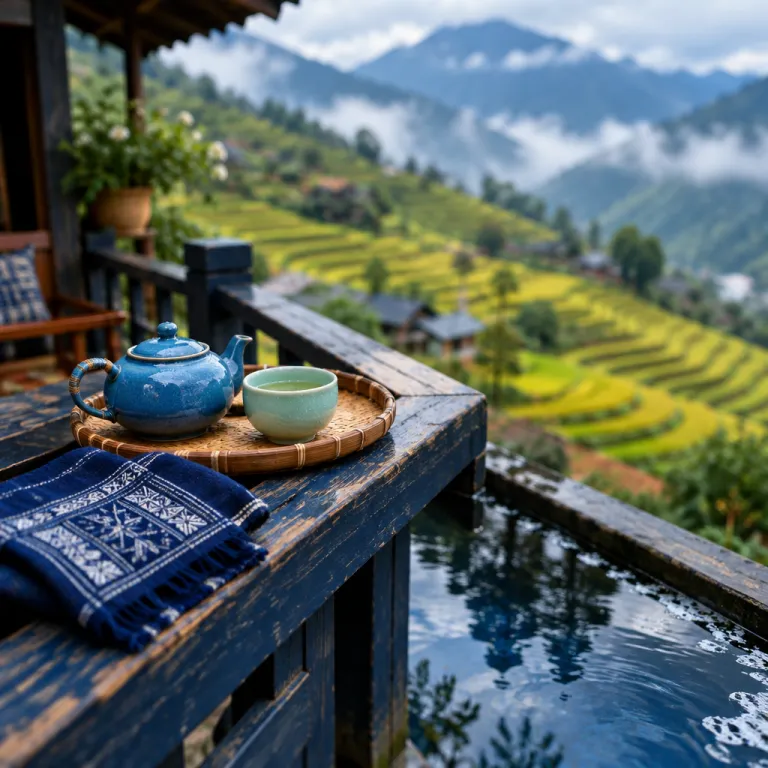
Sapa village Vietnam for luxury travellers seeking altitude and authenticity
Sapa village Vietnam sits high in the Hoàng Liên mountains, where clouds brush rice terraces and quiet paths link each village. Luxury travellers come first to Sapa town for refined hotels, yet the real charm lies in the surrounding valley and its ethnic minority communities. This contrast between polished comfort and raw landscape makes Vietnam Sapa one of the most compelling highland retreats in Southeast Asia.
The wider Sapa Vietnam area includes the busy town, remote hamlets, and the famous Mường Hoa Valley with its sculpted rice terraces. Many people still picture only a misty mountain town, but the region is actually a mosaic of villages such as Lao Chải, Tả Van, Cát Cát, and Sin Chải. Choosing the right hotel or mountain lodge in each village shapes how closely you connect with local life and with the Mong people who have farmed these slopes for generations.
For premium stays in Sapa town, travellers often select properties that frame the Hoàng Liên range through floor to ceiling windows. These hotels give easy access to the Sapa market, where ethnic minority traders from every nearby village gather with textiles, rice, and herbal remedies. Guests who prefer quieter nights usually stay closer to Mường Hoa or Lao Cai province’s rural edges, where the only evening sounds are river currents, wind in the bamboo, and distant hill tribe drums. As one Hanoi-based guest described in a 2023 Lao Cai tourism survey, “I woke up to mist lifting off the terraces instead of traffic horns, and it changed how I experienced the entire trip.”
Choosing the right Sapa town or valley base for your trip
Every base in Sapa village Vietnam offers a different balance between comfort, culture, and landscape. Staying in central Sapa town suits travellers who want quick access to restaurants, the Sapa market, and transport for each tour into the valley. Nights here feel lively, while days can be spent on guided walks to a nearby village or on longer hiking routes across the rice terraces.
For a softer immersion, many people book hotels in or near the Mường Hoa Valley, where each village sits between rice fields and the river. Properties around Lao Chải village and Tả Van often blend timber, stone, and glass, giving views of the Hoa Valley while keeping high service standards. From these hotels, you can walk directly into the rice terraces at sunrise, meeting local Mong people and other ethnic minority families on their way to the fields.
Travellers focused on gastronomy may prefer Sapa Vietnam stays that collaborate with chefs from Hanoi and Lao Cai city. Vietnam’s restaurant industry is pushing for a recognised gastronomy capital, and this ambition increasingly shapes menus in high end Sapa town hotels, as explained in this analysis of the plan behind Vietnam’s gastronomy ambitions. Whether you dine in town or in a quiet mountain hotel, expect rice grown on nearby terraces, forest vegetables, and dishes inspired by Mong and Dao hill tribe recipes.
From Sapa market to Cát Cát and Sin Chải: mapping your luxury walking routes
Planning your walking routes in Sapa village Vietnam helps you match comfort with meaningful encounters. Many visitors start in Sapa town, then follow a gentle walk down to Cát Cát village, where waterfalls, craft stalls, and rice terraces sit close together. This first walk introduces you to the Mong people, to traditional wooden houses, and to the steep paths that define Vietnam Sapa.
From Cát Cát village, more experienced hikers often continue towards Sin Chải village, where the valley narrows and the mountain views sharpen. Luxury travellers usually arrange a private tour with a local guide, combining vehicle support with curated hiking sections between each village. These tailored routes allow you to enjoy the landscape of the Hoa Valley and Mường Hoa without carrying heavy bags or sacrificing a comfortable hotel at day’s end.
Some itineraries link Sapa market in town with quieter hamlets such as Chai Village or the less visited Chai Ván area. On these walks, you pass rice terraces, bamboo groves, and small Muong and Mong settlements that rarely appear on standard tour brochures. For detailed inspiration on how concierges design walking circuits in Vietnam’s heritage towns, many travellers study guides such as the hotel concierge walking routes of Hội An before adapting similar principles to Sapa Vietnam.
Immersive encounters with Mong people and other ethnic minority communities
Luxury travel in Sapa village Vietnam increasingly focuses on respectful cultural immersion rather than quick photo stops. The Mong people, Red Dao, and other ethnic minority groups maintain distinct languages, textiles, and rituals that shape daily life in each village. When you visit Sapa with care, your hotel choices and tour preferences can support these communities instead of overwhelming them.
Many high end hotels now partner with local guides from Lao Chải, Sin Chải, and Cát Cát village, ensuring that income from each tour stays within the valley. Guests might join a weaving workshop, a rice planting session, or a herbal bath experience, all led by Mong or Dao hosts. These activities turn a simple walk into a deeper exchange, where people share stories about the Hoàng Liên mountains, the Mường Hoa Valley, and the challenges of balancing tourism with tradition.
Some travellers choose homestay style lodgings in Chai Village or near Lien Son hamlet, then return to a premium hotel in Sapa town for spa treatments and fine dining. This combination lets you experience both village nights and urban comforts within the same Vietnam Sapa itinerary. When evaluating options on any luxury hotel booking website, look for clear commitments to fair wages, small group sizes, and long term partnerships with ethnic minority artisans. According to the Lao Cai Provincial Department of Culture and Tourism, properties that follow these principles tend to receive higher guest satisfaction scores and generate more stable income for host communities.
Designing premium hiking and rice terrace experiences around Sapa
The landscape around Sapa village Vietnam is defined by rice terraces that climb the slopes like amphitheatres. Hiking here ranges from gentle half day walks between one village and the next, to multi day treks across the Hoàng Liên range. Choosing the right level of difficulty and the right guide is essential for a safe and rewarding experience in Sapa Vietnam.
Shorter hikes often follow the Mường Hoa River, linking Lao Chải, Tả Van, and Cát Cát village through a patchwork of rice fields and bamboo. These routes suit travellers who want to return to a luxury hotel each afternoon, perhaps for a spa session or a tasting menu featuring local rice varieties. Longer treks may climb towards Fansipan or remote Muong and Mong settlements, where the path narrows and the mountain weather changes quickly.
When booking through a premium platform, look for tours that limit group sizes and provide clear safety standards for every hiking option. Many high end hotels in Sapa town now work with specialist operators from Lao Cai who supply trained guides, proper equipment, and emergency support. Strategic partnerships between international brands and Vietnamese developers, such as those highlighted in this overview of how new luxury hotel deals are reshaping Vietnam’s high end map, are gradually raising expectations for service quality in mountain destinations like Vietnam Sapa.
How luxury hotel booking platforms curate Sapa’s villages and valleys
For many travellers, the first contact with Sapa village Vietnam happens online, through a luxury hotel booking website. These platforms increasingly segment Sapa Vietnam into distinct zones, such as Sapa town, Mường Hoa Valley, Lao Chải village, and remote mountain hamlets. Understanding these labels helps you choose between a lively town hotel, a quiet valley retreat, or a hybrid itinerary that includes both.
Curated collections often highlight properties with panoramic views of the Hoa Valley and the Hoàng Liên mountains. Some hotels sit near Cát Cát village or Sin Chải, offering direct access to hiking trails while still providing heated pools, wine lists, and refined Vietnamese cuisine. Others cluster closer to Lao Cai city and the main road, which can be convenient for short stays but less immersive for people seeking village life.
Premium platforms now showcase experiences alongside rooms, allowing you to book a hotel together with a guided walk, a market tour, or a rice terrace photography session. Look for listings that mention partnerships with Mong people and other ethnic minority hosts, as this usually signals more authentic and responsible encounters. Filters for sustainability, small scale operations, and cultural activities can help you move beyond generic town stays and into the layered reality of Vietnam Sapa.
Practical planning tips for an elegant stay in Sapa village Vietnam
Thoughtful planning turns a trip to Sapa village Vietnam into a seamless highland escape. Start by deciding whether you prefer to base yourself mainly in Sapa town, in a valley village such as Lao Chải, or to split nights between both. Town stays suit travellers who value restaurant choice and easy access to the Sapa market, while village hotels prioritise quiet nights and immediate contact with rice terraces.
Transport from Hanoi to Lao Cai and onward to Sapa Vietnam can be arranged by train, limousine bus, or private car. Many luxury hotels include transfers in their packages, which simplifies arrival and departure and leaves more time for hiking or spa sessions. Once in the region, you can book a private tour to Mường Hoa, Cát Cát village, Sin Chải, or Chai Village, tailoring each walk to your fitness level and cultural interests.
When packing, think in layers suitable for mountain weather, which can shift quickly between sun and mist over the Hoàng Liên range. Respectful clothing also matters when visiting Mong people and other ethnic minority communities, especially in smaller village markets. Finally, confirm that your chosen hotel or tour operator supports local guides, buys rice and produce from nearby farms, and limits group sizes, so that your visit Sapa journey benefits both travellers and hosts.
Key figures shaping luxury travel in Sapa and northern Vietnam
- Northern Vietnam, including Lao Cai province and Sapa town, received around 7.3 million visitors in 2023 according to the Vietnam National Administration of Tourism, with Sapa Vietnam among the most visited mountain destinations in Southeast Asia.
- Fansipan, the highest peak in the Hoàng Liên range near Sapa village Vietnam, rises to 3,143 metres, creating a significant altitude difference that influences weather patterns and hiking conditions across the Mường Hoa Valley.
- The Mường Hoa Valley and surrounding villages such as Lao Chải and Tả Van contain thousands of hectares of rice terraces, which are recognised by Vietnamese authorities as a key cultural landscape and a primary draw for people who visit Sapa.
- Lao Cai province has invested heavily in transport links between Hanoi, Lao Cai city, and Sapa town, cutting travel times and supporting the growth of both luxury hotel developments and small scale village homestays.
- Ethnic minority communities, including Mong people and Dao groups, represent a significant share of the population in Sapa Vietnam, and their cultural activities underpin much of the region’s tourism economy through markets, handicrafts, and guided tours.
FAQ about planning a luxury stay in Sapa village Vietnam
Is it better to stay in Sapa town or in a valley village ?
Staying in Sapa town offers easier access to restaurants, the Sapa market, and transport for each tour, while valley villages such as Lao Chải or Tả Van provide quieter nights and immediate access to rice terraces. Many travellers split their stay between a town hotel and a village lodge. This combination balances comfort, dining options, and immersion in local life.
How many days should I plan for Sapa village Vietnam ?
Most luxury travellers spend at least three nights in Sapa Vietnam to allow time for travel, one or two guided hikes, and a market visit. Shorter stays risk feeling rushed, especially if you want to visit multiple village areas such as Cát Cát, Sin Chải, and the Mường Hoa Valley. Longer stays of four to five nights suit people who value slower walks and spa time.
Can I enjoy Sapa’s rice terraces without difficult hiking ?
Yes, many hotels in Sapa town and in the valley offer vehicle access to viewpoints over the rice terraces. You can take short, mostly flat walks between villages such as Lao Chải and Tả Van, which are suitable for a wide range of fitness levels. Private guides can tailor each route so that you enjoy the landscape without strenuous climbs.
How do I choose a responsible tour or hotel in Sapa Vietnam ?
Look for hotels and tour operators that employ local guides, support Mong people and other ethnic minority communities, and limit group sizes. Responsible providers usually mention partnerships with village cooperatives, fair payment policies, and efforts to reduce environmental impact in the Hoàng Liên mountains. Reading recent guest reviews can also reveal how well these commitments are implemented in practice.
When is the best time to see Sapa’s rice terraces at their most beautiful ?
The rice terraces around Sapa village Vietnam are typically green during the growing season and turn golden shortly before harvest. Exact timing varies with weather and altitude, but many travellers aim for late growing season weeks when fields in the Mường Hoa Valley and around Lao Chải are full and vibrant. Hotels and local guides can provide up to date advice for your specific travel dates.
Sources : Vietnam National Administration of Tourism (VNAT) 2023 visitor statistics, Lao Cai Provincial Department of Culture and Tourism reports, General Statistics Office of Vietnam.