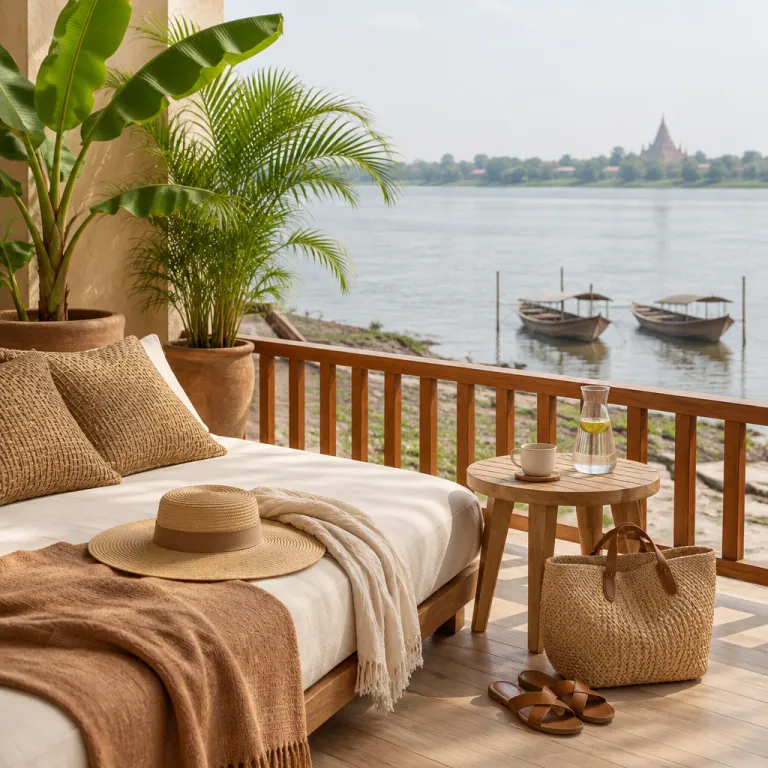
Understanding the good time to visit Vietnam and Cambodia for luxury stays
Choosing the good time to visit Vietnam and Cambodia shapes every detail of a luxury itinerary. Discerning travelers look for the moment when weather, crowd levels, and service standards align to create the best time for a seamless journey. When you plan your time to visit both Vietnam and Cambodia carefully, your hotel choices, transfers, and curated experiences feel effortless rather than improvised.
Across Vietnam, the climate shifts dramatically between North, Central Vietnam, and South Vietnam, so the ideal season depends on your route. In the north, including Hanoi and the northern highlands, the dry months from roughly November to around April bring mild temperatures and clearer skies. Those same days can feel very different in South Vietnam, where the dry season is warmer yet ideal for poolside stays, rooftop cocktails, and coastal escapes.
In Cambodia, the pattern is similar but not identical, which matters when you combine Cambodia–Vietnam itineraries. The dry season is generally considered the best time to visit Cambodia, especially for Siem Reap and Angkor Wat, yet some travelers enjoy the lush landscapes and dramatic skies of the rainy season. When you compare Vietnam–Cambodia weather patterns side by side, you can match each region to the style of luxury hotel, cruise, and cultural experience you prefer.
Many guests ask whether November or February offers the best balance of comfortable temperatures and thinner crowds. For Vietnam, November to April is often praised for stable weather in the north and Central Vietnam, while the south remains reliably sunny for most of those weeks. In Cambodia, November and February are prime months to visit in comfort, with cooler evenings that suit high-end riverside suites, rooftop bars, and fine-dining terraces.
August can be more complex, because the wet season dominates much of both countries. In North and Central Vietnam, August brings heavier showers, while South Vietnam and the Mekong Delta see short but intense bursts of rain. Cambodia in August sits firmly in the rainy season, yet luxury hotels in Phnom Penh and Siem Reap often offer attractive rates, quieter public spaces, and generous inclusions.
For travelers who value flexibility, both Vietnam and Cambodia can be visited year-round with the right planning. The key is to understand how each season affects specific destinations such as Halong Bay, the Mekong, and Angkor, then align your Vietnam days and Cambodia days accordingly. When you do this, the good time to visit Vietnam and Cambodia becomes less about a single month and more about matching your expectations to each region’s rhythm.
Quick seasonal matrix for luxury travel
- Hanoi & Halong Bay: Best from November–April; cooler, drier, clearer for cruising.
- Central Vietnam coasts (Huế, Hội An, Đà Nẵng): Strongest from February–August; beach-friendly and sunny.
- South Vietnam & Mekong Delta: Most reliable from November–April; hot, bright, and ideal for river journeys.
- Siem Reap & Angkor Wat: Peak comfort from November–March; cooler, less humid for temple visits.
- Phnom Penh & urban stays: Viable year-round; showers from May–October but often brief.
North Vietnam, Halong Bay, and when the mist meets luxury decks
North Vietnam rewards travelers who time their visit to match the region’s cooler, clearer months. From Hanoi to the limestone towers of Halong Bay, the best time usually falls between roughly November and April, when temperatures are mild and the air feels crisp. During these weeks, luxury cruises and premium hotels can operate full schedules with minimal disruption from storms or heavy fog.
Halong Bay is particularly sensitive to weather, because visibility and sea conditions define the experience. In the dry season, especially between February and April, the bay often enjoys calm waters and gentle temperatures that suit long deck lunches and sunset cocktails. During the wet season, sailings can be affected by stronger winds and occasional cancellations, so high-end travelers should build some flexibility into their time to visit.
Hanoi itself has a distinct cool season that many guests consider the best time for urban stays. From late November to around February, the weather can be cool enough for light layers, which pairs beautifully with historic hotels, lakeside walks, and refined dining. These months also make it easier to combine North Vietnam with short Cambodia days in Siem Reap, because both cities enjoy relatively comfortable temperatures and manageable humidity.
When the rainy season arrives in North Vietnam, usually from late spring into August, showers become more frequent. Luxury hotels remain fully operational, yet excursions to Halong Bay or the northern mountains may face occasional delays or misty conditions. Travelers who value clear views over karst formations should avoid peak rainy season if their main goal is a premium Halong Bay cruise.
For those intrigued by atmospheric landscapes, a lightly misted Halong Bay in the shoulder season can feel almost theatrical. The weather may be less predictable, but the softer light and fewer boats can enhance the sense of privacy on luxury decks. If you are considering a refined escape during the wetter months, it is worth consulting specialist guidance on planning a refined escape in the Vietnam wet season to align expectations with reality.
When combining Vietnam–Cambodia routes, many travelers start in North Vietnam during the dry season, then fly to Siem Reap for Angkor Wat. This sequence allows you to enjoy Halong Bay under calmer weather before exploring Cambodia’s temples in cooler conditions. With careful planning, the good time to visit Vietnam and Cambodia can frame a journey that feels both seasonal and seamless.
Central Vietnam, coastal bays, and the rhythm of the dry season
Central Vietnam has its own climate pattern, which often surprises first-time visitors. While North Vietnam cools between November and February, destinations such as Huế, Hội An, and Đà Nẵng can experience a distinct rainy season later in the year. Understanding this offset is essential when you choose the best time to reserve luxury beachfront suites, pool villas, or private residences.
For many travelers, the ideal time to visit Central Vietnam falls between roughly February and August, when the dry season brings long sunny days. During these months, temperatures rise yet sea conditions along the bay-lined coast remain inviting for swimming, sailing, and private yacht charters. High-end resorts along Mỹ Khê Beach, the Hội An coastline, and the bays near Lăng Cô thrive in this season, offering polished service and full activity schedules.
From late August into the final months of the year, Central Vietnam can face heavier rainfall and occasional storms. The rainy season may bring short-term disruptions to flights or coastal excursions, which matters if your itinerary is tightly timed. However, luxury hotels often respond with attractive packages, spa-focused experiences, and curated dining that make staying indoors feel indulgent rather than restrictive.
Travelers planning combined Cambodia–Vietnam journeys often use Central Vietnam as a coastal interlude between cultural hubs. You might begin with Hanoi and Halong Bay, continue to Đà Nẵng or Hội An for several relaxed days by the sea, then fly onward to Siem Reap. When the weather cooperates, this sequence offers a satisfying balance between city, bay, and temple landscapes.
For those who prioritize beach time, the good time to visit Vietnam and Cambodia usually means aligning Central Vietnam’s dry season with Cambodia’s cooler months. You could enjoy sun-drenched days on the Vietnamese coast, then visit Cambodia for Angkor Wat and Tonle Sap when temperatures are more forgiving. To refine this style of itinerary, many luxury guests consult curated guides to Vietnam beach escapes for luxury travelers seeking the best coastal stays before confirming bookings.
Because Central Vietnam’s climate differs from both North and South Vietnam, it plays a strategic role in year-round planning. When one region enters the wet season, another may still enjoy dry, sunny weather, allowing you to shift your route rather than your travel dates. This flexibility is one reason many seasoned travelers consider Vietnam–Cambodia combinations particularly rewarding for multi-week luxury journeys.
South Vietnam, the Mekong delta, and Cambodia’s temple seasons
South Vietnam and the Mekong Delta operate on a simpler pattern than the north, which benefits planners. The dry season typically runs from roughly November to April, bringing hot, bright days that suit rooftop pools, river cruises, and island escapes. During these months, Ho Chi Minh City, Phú Quốc, and the Mekong offer some of the best time windows for high-end stays.
In the Mekong Delta, the dry season means more predictable water levels and smoother boat journeys between riverside lodges. Luxury cruises along the Mekong often schedule their most ambitious itineraries during this period, linking South Vietnam with Cambodia via the river. Guests can spend several days exploring floating markets before continuing to Phnom Penh and onward to Siem Reap for their Cambodia days.
The rainy season in South Vietnam usually arrives around May and lasts into October, with short, intense showers. These bursts of rain rarely last all day, so many luxury travelers still consider this a viable time to visit, especially when seeking value. High-end hotels in Ho Chi Minh City and the Mekong Delta remain fully operational, and the landscape turns a vivid green that photographs beautifully.
Across the border, Cambodia follows a similar pattern, with a dry season from roughly November to April and a wetter period from May to October. The best time to visit Cambodia for Angkor Wat and Siem Reap is often considered the cooler part of the dry season, when temperatures are more manageable for temple exploration. During these months, luxury properties around Angkor and Tonle Sap can offer early-morning private tours and sunset cruises with comfortable conditions.
In the rainy season, Angkor and Siem Reap become quieter, and the moats and rice fields around the temples turn a deep green. Some travelers deliberately choose this time to visit Cambodia, valuing the softer light and fewer crowds over perfectly dry weather. High-end hotels respond with thoughtful wet-season services, from complimentary umbrellas to flexible spa schedules that adapt to sudden showers.
When planning a combined Vietnam–Cambodia journey, many guests start in South Vietnam during the dry season, then follow the Mekong into Cambodia. This route allows you to experience the river’s changing character, from the Mekong Delta to Tonle Sap, while staying in carefully selected luxury lodges and city hotels. With the right timing, the good time to visit Vietnam and Cambodia becomes a continuous arc of comfortable temperatures, efficient logistics, and attentive service.
Aligning luxury hotel choices with seasons in top destinations
For travelers using a premium hotel booking website focused on Vietnam, timing is as important as location. The good time to visit Vietnam and Cambodia will influence not only rates but also which room categories and experiences are available. When demand peaks in the dry season, the best suites in Hanoi, Halong Bay, Central Vietnam, and South Vietnam can sell out many days in advance.
In North Vietnam, the cooler months from November to February are ideal for heritage properties and lake-view rooms in Hanoi. During these periods, you can pair a city stay with a Halong Bay cruise that benefits from calmer weather and more stable temperatures. Luxury booking platforms often highlight seasonal packages that combine both experiences, allowing you to secure transfers and guides in a single reservation.
Central Vietnam’s coastal resorts tend to shine between February and August, when the dry season brings long beach days and clear seas. If you plan to travel during this period, consider booking oceanfront villas or club-level rooms several months ahead, especially around regional holidays. The same logic applies to South Vietnam, where Ho Chi Minh City’s top hotels and Mekong Delta lodges see strong demand in the dry season.
When you extend your journey into Cambodia, the best time to visit Cambodia for luxury stays in Siem Reap and Phnom Penh usually aligns with the cooler part of the dry season. High-end hotels near Angkor Wat and Tonle Sap often offer sunrise access, private guides, and curated dining that depend on manageable temperatures. During the rainy season, these properties may shift their focus toward spa experiences, cooking classes, and flexible touring to work around showers.
Travelers who value quieter spaces and better value sometimes choose shoulder seasons, such as late April or early November. In both Vietnam and Cambodia, these transition periods can offer a balance between acceptable weather and more relaxed occupancy levels. A sophisticated booking website can help you compare Vietnam days and Cambodia days across different months, showing how rates and inclusions change with the season.
For guests seeking more immersive journeys between destinations, curated itineraries that include scenic transfers are increasingly popular. Some luxury travelers, for example, pair high-end hotels with curated Vietnam motorbike journeys for luxury travelers seeking scenic stays to experience the countryside between bays, highlands, and river towns. When these overland segments are timed to avoid the heaviest rainy-season periods, they can become highlights of a broader Cambodia–Vietnam journey.
Designing a seamless Vietnam Cambodia itinerary by month and region
Building a refined itinerary across Vietnam and Cambodia starts with mapping regions to months. The good time to visit Vietnam and Cambodia rarely falls into a single universal window, so you need to prioritize what matters most. Some travelers value cooler temperatures for temple visits, while others prefer guaranteed sun for bays and beaches.
One popular pattern is to begin in North Vietnam during the dry season, continue through Central Vietnam’s coasts, then finish in South Vietnam and Cambodia. For example, you might spend several days in Hanoi and Halong Bay in February, when the weather is cool and relatively stable. From there, you could fly to Đà Nẵng for beach time before ending with Cambodia days in Siem Reap and Phnom Penh under comfortable dry-season skies.
Another approach is to travel in the shoulder months of April or November, when both countries transition between seasons. In April, South Vietnam and the Mekong Delta may already feel hot, yet Central Vietnam and North Vietnam can still be pleasant for city and bay stays. Cambodia in April can be warm, especially around Angkor Wat, so luxury travelers often schedule temple visits at sunrise and sunset while enjoying poolside rest during midday.
In November, the situation reverses in some regions, with Central Vietnam potentially facing lingering rains while North Vietnam and Cambodia enjoy clearer weather. This is where a flexible Cambodia–Vietnam itinerary becomes valuable, allowing you to adjust the order of destinations based on current forecasts. A well-designed plan might start with Siem Reap and Tonle Sap, then continue to Hanoi and Halong Bay once the weather stabilizes.
For travelers who must visit during the rainy season, such as in August, the key is to choose destinations that handle wet weather gracefully. Urban centers like Ho Chi Minh City, Hanoi, and Phnom Penh, along with high-end resorts that offer extensive indoor facilities, can still provide a rewarding experience. River journeys along the Mekong and Mekong Delta may be affected by water levels, yet they also showcase the region’s lush, high-water landscapes.
Because both Vietnam and Cambodia can be visited year-round, the best time ultimately depends on your tolerance for heat, humidity, and occasional showers. Luxury and premium hotel booking platforms that specialize in this region can provide up-to-date guidance on weather, access, and seasonal experiences for each bay, river, and temple complex. When you align this advice with your own preferences, the good time to visit Vietnam and Cambodia becomes a tailored window rather than a fixed rule.
Key statistics for planning seasonal travel to Vietnam and Cambodia
- In Hanoi, average temperatures range from about 15–20 °C in the coolest months to around 28–33 °C in the hottest months, according to the Vietnam National Center for Hydro-Meteorological Forecasting (nchmf.gov.vn); this variation strongly influences comfort levels for city walking and Halong Bay excursions.
- Ho Chi Minh City records an average annual rainfall of roughly 1,800–2,000 millimetres, with most precipitation falling between May and October, based on data from the Vietnam Meteorological and Hydrological Administration (vnmha.gov.vn); this concentration defines the practical boundaries of the dry season and rainy season in South Vietnam.
- Cambodia’s Ministry of Tourism reports that Siem Reap and Angkor Wat receive the highest visitor numbers during the dry months from November to March (tourismcambodia.org), reflecting global preference for cooler, less humid conditions during temple visits.
- Studies from the Mekong River Commission indicate that water levels in the Mekong and Tonle Sap can fluctuate by several metres between dry and wet season peaks (mrcmekong.org), which directly affects cruise operations and the range of accessible floating communities.
Sample luxury itineraries by month and region
10-day February journey: Hanoi – Halong Bay – Hội An – Siem Reap
Day 1–2: Arrive in Hanoi, stay in an Old Quarter heritage hotel; walking tours and evening dining.
Day 3–4: Transfer by road (about 2.5–3 hours) to Halong Bay for an overnight luxury cruise, then return to Hanoi.
Day 5–6: Fly Hanoi–Đà Nẵng (around 1.5 hours), transfer 30–45 minutes to Hội An for beach and lantern-lit evenings.
Day 7–10: Fly Đà Nẵng–Siem Reap (typically via Ho Chi Minh City or Hanoi), then explore Angkor Wat with sunrise tours and poolside afternoons.
12-day November route: Ho Chi Minh City – Mekong – Phnom Penh – Siem Reap
Day 1–3: Stay in a central Ho Chi Minh City hotel; rooftop bars and historic landmarks.
Day 4–6: Travel 2–3 hours by road to the Mekong Delta for a boutique cruise or riverside lodge, visiting canals and markets.
Day 7–8: Continue by river or short flight to Phnom Penh for palace visits and riverside dining.
Day 9–12: Fly or boat to Siem Reap (about 45 minutes by air), focusing on Angkor’s major temples and Tonle Sap excursions.
14-day August strategy: urban hubs and resorts with strong wet-weather facilities
Day 1–3: Begin in Hanoi, using museums, cafés, and covered markets during showers.
Day 4–6: Fly to Đà Nẵng or Hội An; choose a resort with extensive spa, dining, and indoor lounges for flexible beach time.
Day 7–9: Continue to Ho Chi Minh City (about 1.5 hours by air) for food-focused touring and gallery visits.
Day 10–14: Fly to Phnom Penh and then Siem Reap; schedule temple visits in early morning and late afternoon, with mid-day spa sessions at your hotel.
FAQ about the good time to visit Vietnam and Cambodia
What is generally the best time to visit Vietnam and Cambodia for first time travelers ?
For most first-time visitors, the period from roughly November to March offers the most comfortable balance of temperatures and rainfall across both Vietnam and Cambodia. North Vietnam, Central Vietnam’s coasts, and South Vietnam are largely in their dry season, while Cambodia enjoys cooler, drier conditions around Angkor Wat and Tonle Sap. This window suits multi-region itineraries that include cities, bays, rivers, and temples.
Can I travel to Vietnam and Cambodia during the rainy season and still enjoy luxury stays ?
Yes, you can travel during the rainy season and still enjoy high-quality hotels and services in both countries. Showers are often intense but short, especially in South Vietnam and Cambodia, allowing sightseeing in the morning or late afternoon. Many luxury properties offer attractive rates, enhanced spa programs, and flexible touring options during these months.
How many days should I plan for a combined Vietnam Cambodia itinerary ?
A balanced combined itinerary usually requires at least 12 to 16 days to cover key highlights without rushing. This allows time for North Vietnam or Central Vietnam, a Mekong or Halong Bay segment, and several Cambodia days in Siem Reap and possibly Phnom Penh. Travelers with three weeks or more can add beach time or more in-depth Mekong Delta experiences.
Is august a good time to visit Vietnam and Cambodia for a luxury holiday ?
August falls within the rainy season for much of Vietnam and Cambodia, so it is not the classic best time, yet it can still work. Expect higher humidity, more frequent showers, and occasional disruptions, but also greener landscapes and fewer crowds at major sites. Choosing hotels with strong indoor facilities and flexible touring options is essential in August.
Are Halong Bay cruises and Mekong cruises available year round ?
Most Halong Bay and Mekong cruises operate year-round, but schedules can be adjusted during periods of severe weather or high water. In the dry season, sailings are more predictable, while in the wet season, operators may modify routes or timing for safety. Booking through a specialist platform ensures you receive timely updates and suitable alternatives if conditions change.