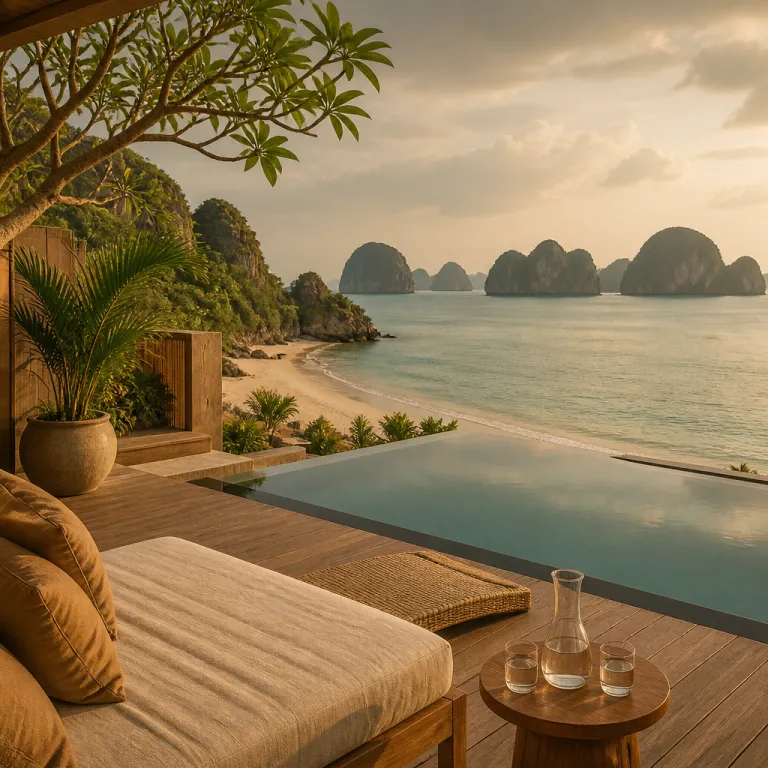
Vietnam beach landscapes and when to plan your coastal stay
Vietnam stretches along more than 3,200 km of coastline, so choosing the right stretch of sand for a luxury stay starts with understanding its geography. Along this sinuous shore, beaches in the north, central region, and south each offer distinct weather patterns, levels of development, and styles of beachfront hotel experiences. Your Vietnam itinerary should therefore align carefully with both climate and the type of seaside destination you prefer.
Southern beaches such as Phú Quốc Island, Côn Đảo, and the coastal area near Hồ Chí Minh City enjoy warm water averaging around 27–28 °C, according to regional hydrometeorological centers and figures cited by the Vietnam National Administration of Tourism (VNAT), which suits travelers seeking a relaxed beachfront stay with minimal seasonal disruption. Central coast locations like Đà Nẵng City, Mỹ Khê Beach, and the wider Hội An area are at their best from March to August, when the sea is calm and the sand is powder soft. Northern beach towns are cooler and less popular for pure sun holidays, yet they can complement a broader cultural Vietnam itinerary that includes Hà Nội and inland heritage sites such as Ninh Bình or Hạ Long Bay.
Peak season for many of the most popular southern shores runs from November to April, so advance hotel reservations are essential for premium rooms and private pool villas. In central Vietnam, the busiest months often coincide with school holidays, which makes early booking vital for high-end beachfront suites in Đà Nẵng or nearby Lang Cô, sometimes written as Lang Co or simply as Lang Beach by travelers. Before confirming any coastal stay, always check local weather forecasts and sea conditions from official sources, especially if you plan boat transfers to smaller island retreats or seaplane connections to more remote bays.
From beach city energy to quiet beach towns along the coast
Choosing between a lively beach city and a quieter coastal town is one of the most important decisions for travelers booking luxury hotels in Vietnam. A larger city such as Nha Trang or Đà Nẵng offers extensive dining, nightlife, and shopping, while smaller beach towns like Mũi Né or Côn Đảo focus more on nature and seclusion. Your preferred balance between energy and calm will shape which shoreline feels like the best match.
Nha Trang, often written as Nha Trang City or simply Nha Trang, is one of the most popular seaside destinations Vietnam offers for travelers who enjoy a long crescent of sand backed by towers, rooftop bars, and upscale beachfront hotel brands. Here, the main Nha Trang beach is busy, but luxury properties often secure quieter stretches of sand or private coves, giving guests a refined stay while keeping the city’s amenities within easy reach. Many visitors use Nha Trang as a base to explore nearby islands by boat, combining a vibrant beach town atmosphere with day trips to more tranquil coves; one hotel manager notes that “guests often spend the morning snorkeling off the islands and return just in time for sunset cocktails on the main bay.”
Đà Nẵng, sometimes shortened by travelers as just “Nẵng”, has evolved into a sophisticated coastal city with a long strip of hotels facing Mỹ Khê Beach, often referred to simply as Khê Beach in travel forums. This area suits guests who want a Vietnam beach holiday with easy access to Hội An’s lantern-lit streets, the Marble Mountains, and a growing scene of Vietnamese street food. For those who prefer an urban base before or after the coast, Hồ Chí Minh City offers polished central hotels, and this detailed guide to where to stay in Hồ Chí Minh City for a refined central experience provides a useful complement to planning your time by the sea.
Phú Quốc island, Côn Đảo, and southern sand for luxury seekers
Phú Quốc Island has become a flagship Vietnam beach destination for luxury travelers, with a wide range of five-star resorts lining its western and southern shores. The main Phú Quốc town area offers markets and casual beach shacks, while more secluded bays host villas with private pools, refined spas, and curated Vietnamese food experiences. Many visitors consider Phú Quốc among the best beaches Vietnam can offer for couples and families who want both comfort and gentle adventure.
On the southern tip of Phú Quốc, Sao Beach stands out for its pale sand and turquoise water, and it is frequently cited in lists of the best beaches in the country. Sao Beach can feel busy during the day, yet guests staying at nearby luxury hotels often enjoy quieter early mornings and late afternoons, when the light softens and the sand seems almost untouched. When planning your Vietnam itinerary, consider combining a few nights near Sao Beach with time on the quieter north coast of Phú Quốc Island, where the atmosphere is calmer and the beachfront stays feel more secluded; one local guide recommends “an early swim before breakfast, when the only sounds are fishing boats heading out to sea.”
Côn Đảo, often written as Côn Đảo Island, offers a very different coastal experience, with protected marine areas, forested hills, and a slower rhythm that appeals to travelers seeking privacy. High-end resorts here focus on sustainability, low-density development, and personalized service, making this island ideal for honeymooners or guests who value nature as much as comfort. For those who prefer to remain closer to the mainland while still enjoying a refined beachfront stay, this serene beachfront escape near Hồ Chí Minh City showcases how a coastal resort can deliver calm sand, warm water, and easy access to the city in a single itinerary.
Mũi Né, sand dunes, and the fairy stream near Phan Thiết
Mũi Né, often shortened simply to Mui in informal writing, is one of the earliest international Vietnam beach destinations and remains a favorite for travelers who enjoy both sea and desert-like landscapes. The main Mũi Né beach area stretches for several kilometers, lined with hotels that range from intimate luxury properties to larger resorts with extensive pools and gardens. While the central strip can feel busy, careful hotel selection allows guests to enjoy a peaceful beachfront stay with direct access to the sand.
One of the signature experiences near this beach town is the visit to the nearby sand dunes, which glow in shades of gold and red at sunrise and sunset. Close by, the so-called fairy stream is a shallow, warm-water channel that winds between sculpted sand formations and low cliffs, creating a gentle walk that appeals to families and photographers. Many premium hotels in Mũi Né organize private transfers and guided excursions to both the sand dunes and the fairy stream, allowing guests to avoid the most crowded times and enjoy these landscapes in relative quiet; for travelers planning photography, staff often suggest sunrise departures to capture the dunes before the wind picks up.
Beyond the main Mũi Né strip, smaller beach areas near Phan Thiết offer quieter stretches of sand and a more local feel, which some travelers prefer over the more developed central zone. Here, beachfront hotels often emphasize Vietnamese food, with chefs sourcing seafood directly from nearby fishing villages and serving it in elegant yet relaxed settings. When planning a Vietnam itinerary that includes Mũi Né, consider combining this beach destination with time in Hồ Chí Minh City or another beach city, creating a contrast between urban energy and coastal calm.
Đà Nẵng, Mỹ Khê Beach, and nearby coastal retreats
Đà Nẵng has transformed into a key Vietnam beach hub, thanks to its long sweep of sand, international airport, and proximity to Hội An and Huế. Mỹ Khê Beach, sometimes referred to simply as Khê Beach, is the main urban stretch, backed by a growing skyline of hotels that cater to both business and leisure travelers. Luxury properties here often occupy prime beachfront plots, offering direct sea views, infinity pools, and easy access to both the city and the water.
For travelers seeking the best beaches near Đà Nẵng but preferring a quieter atmosphere, the coastal area between the city and Hội An offers several refined options. Some resorts sit on more secluded sections of sand, giving guests the feeling of a private Vietnam beach while still being a short drive from the cafés, tailors, and lantern-lit streets of Hội An. This region works particularly well for families and couples who want to balance cultural excursions with relaxed days by the sea, without changing hotels too often; many properties also provide complimentary shuttles, which simplifies moving between beach, old town, and airport.
Food is a major highlight in this part of Vietnam, with Đà Nẵng and Hội An both renowned for Vietnamese street food and regional specialties. Many high-end hotels now integrate local dishes into their menus, allowing guests to sample mì Quảng, cao lầu, and fresh seafood in polished dining rooms as well as at casual beach shacks. When planning your Vietnam itinerary, consider at least three nights in this beach city region, which allows time for the coast, the Marble Mountains, and day trips to the imperial sites of Huế; travelers arriving by air can consult Đà Nẵng International Airport’s official schedules for current domestic and regional flight options.
Curated stays, Vietnamese food, and practical booking advice
Booking a luxury Vietnam beach hotel is not only about the room category, but also about how the property connects you with its surrounding area. Many of the best beachfront hotels now collaborate with local tour operators to arrange private boat trips, guided walks, and cultural experiences that go beyond the sand. This approach aligns with the Vietnamese Government’s focus on sustainable tourism and the development of eco-friendly resorts along the coast, as highlighted in policy updates shared by VNAT and provincial tourism departments.
Vietnamese food is a central part of any coastal stay, and travelers should look for hotels that highlight regional cuisine rather than only international menus. In Phú Quốc, for example, refined restaurants increasingly showcase local pepper, fish sauce, and seafood, and this guide to Phú Quốc beyond the resort gates, night markets, and the island’s emerging restaurant scene illustrates how a Vietnam beach holiday can become a culinary journey. In Nha Trang and other beach towns, high-end properties often pair tasting menus with visits to local markets or street food tours, giving guests a deeper understanding of the flavors behind each dish.
When comparing beachfront hotels across beaches Vietnam is known for, pay attention to details such as direct beach access, shade on the sand, and the orientation of rooms toward sunrise or sunset. Some travelers prefer a lively beach destination with nearby beach shacks and nightlife, while others seek quieter stretches like parts of Côn Đảo or less developed corners sometimes referred to as Lang Beach. Whatever your preference, booking early for peak periods and working with reputable travel agencies or online platforms will help secure the best combination of coastal location, service quality, and overall value; when browsing hotel galleries, look for descriptive image captions and alt text that clarify whether photos show private beachfront, shared pools, or public sections of sand.
Key figures for planning a Vietnam beach escape
- Vietnam’s coastline extends for approximately 3,200 km, giving travelers a wide choice of Vietnam beach destinations from the Gulf of Tonkin to the Gulf of Thailand (figure reported by the Vietnam National Administration of Tourism); this length explains why climates and sea conditions vary significantly between regions.
- Average water temperature at many southern beaches is around 27–28 °C, which makes Phú Quốc Island, Côn Đảo, and nearby mainland coasts comfortable for swimming throughout much of the year (data from regional hydrometeorological centers and summarized in VNAT climate briefings); this warmth is a key factor in their popularity for winter sun holidays.
- Peak season typically runs from November to April in the south and from March to August in the central region, so travelers seeking the best beaches Vietnam offers during these windows should book hotels several months in advance to secure preferred room types.
- Vietnam’s tourism authorities and resort owners are prioritizing eco-friendly development along major beaches, aiming to boost local economies while preserving natural beauty; this policy direction supports the rise of low-density luxury resorts in areas such as Côn Đảo and selected bays near Nha Trang.
Frequently asked questions about Vietnam beach travel
What are the best beaches in Vietnam for luxury stays ?
According to national tourism information, “Phú Quốc, Côn Đảo, An Bàng, Mỹ Khê, Mui Né, Nha Trang, Quy Nhơn.” are widely regarded as some of the best beaches in the country. For luxury travelers, Phú Quốc Island and Côn Đảo Island stand out for high-end resorts, while Mỹ Khê Beach near Đà Nẵng and the main Nha Trang beach offer a blend of city energy and upscale hotels. Mui Né remains a favorite for those who enjoy combining sea, sand dunes, and the fairy stream in a single coastal stay.
When is the best time to visit Vietnam’s beaches ?
Tourism authorities indicate that “November to April for southern beaches; March to August for central beaches.” is the most reliable pattern for good weather. This means Phú Quốc, Côn Đảo, and southern mainland coasts are ideal during the northern winter, while Đà Nẵng, Hội An, and nearby areas shine in the middle of the year. Travelers should always check local forecasts before finalizing a Vietnam itinerary, especially if planning boat transfers to smaller islands.
Are Vietnam’s beaches suitable for families ?
Official guidance confirms that “Yes, many beaches offer family-friendly activities and accommodations.”, and this matches what many luxury resorts now provide. Properties in Phú Quốc, Đà Nẵng, Nha Trang, and Mui Né often feature kids’ clubs, shallow pools, and supervised activities on the sand. Families should look for beachfront hotels with calm water, lifeguards where available, and easy access to medical facilities in the nearest city or town.
How can I travel between different Vietnam beach destinations ?
Most travelers combine air travel, road trips, and occasional boat rides to move between beaches Vietnam offers along its long coastline. Domestic flights connect major hubs such as Hồ Chí Minh City, Hà Nội, Đà Nẵng, Nha Trang, and Phú Quốc Island, while private transfers or trains cover shorter coastal segments. For islands like Côn Đảo, scheduled flights or organized boat services arranged through your hotel or a trusted tour operator are the most practical options.
What should I consider when choosing a beachfront hotel in Vietnam ?
Key factors include direct access to the sand, orientation for sunrise or sunset views, and the balance between privacy and proximity to a beach city or beach town. Travelers who value dining variety may prefer popular areas such as Nha Trang or Đà Nẵng, where Vietnamese street food and fine dining coexist near the shore. Those seeking quiet should focus on lower-density stretches in Phú Quốc, Côn Đảo, or selected bays near Mui Né, where hotels emphasize space, nature, and personalized service.