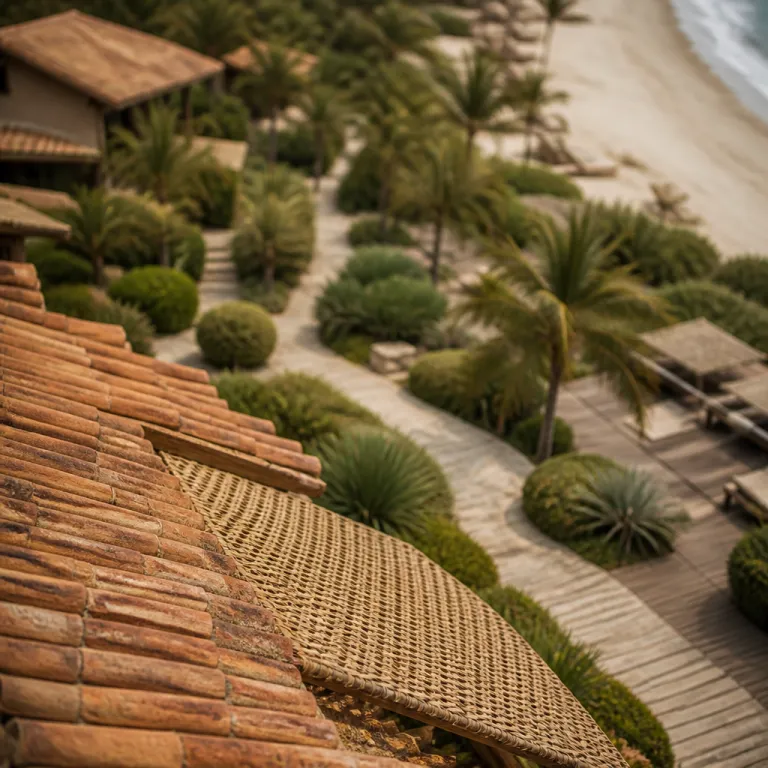
Vietnamese resorts for refined travelers seeking coastal and cultural stays
Vietnam’s luxury resorts now rival the finest in Asia for attentive service and dramatic settings. Along this long, slender country you can filter stays by coast, city, or highland retreat to match your travel style and expectations. A well designed beachfront or riverside hideaway offers both immersion in local culture and the polished comfort international guests expect.
Across the country you will find each property balancing architecture, landscape, and wellness in a way that feels distinctly Vietnamese yet globally sophisticated. Many high-end retreats sit in quiet bays or along rivers, where the pool and spa are framed by jungle clad hills or lantern lit streets. When you plan a stay, always check how the resort integrates with its surrounding community, because that often defines the authenticity and depth of your experience.
Travelers choosing between city Vietnam and coastal resort stays should think first about pace and purpose. A central hotel in Hanoi or Ho Chi Minh City suits business, food focused weekends, and cultural deep dives, while a remote beach sanctuary is ideal for a longer restorative break. The most rewarding itineraries combine both styles of accommodation so you can enjoy vibrant streets, then retreat to a quieter ocean view sanctuary.
Top destinations in central Vietnam for vietnamese resorts by the sea
The central coast of Vietnam has become a showcase for high end seaside retreats. Around Hội An and Đà Nẵng, you can filter properties by beach length, pool size, and proximity to UNESCO listed streets in the historic town of Hoi An. This region is also where you find some of the country’s most acclaimed beach addresses, combining a wide sandy shoreline with refined dining and spa programs.
Near Hội An, Anantara Hoi An Resort offers a tranquil riverfront location within walking distance of the lantern lit old town. Guests who prefer a pure beach resort experience often look to the nearby Nam Hai area, where a luxury beach property such as Four Seasons Resort The Nam Hai presents villas with private pools, generous bedroom layouts, and expansive ocean view terraces. When you compare these coastal retreats, check whether you want direct beach access or a more urban style hotel stay closer to cafés and tailors in Hoi An.
In Đà Nẵng, InterContinental Danang Sun Peninsula Resort rises dramatically above a private bay on the Sơn Trà Peninsula. This resort style property functions as both a wellness escape and a culinary destination, with multiple dining venues and a celebrated fine dining restaurant. For a deeper planning overview of where to stay in central Vietnam, many travelers consult a dedicated hotel booking guide for Vietnam that explains how to match each resort or hotel to your route and budget. A curated Vietnam hotel booking guide for summer stays can help you compare options in Đà Nẵng, Hội An, and nearby coastal towns with clear, practical detail.
Vietnamese resorts in the south: Nha Trang, Quy Nhơn, and ocean view escapes
Further south, Nha Trang has long been synonymous with upscale hotels and beach resorts that front a sweeping bay and lively promenade. Here you can filter options by whether you prefer a high rise hotel on the main beach or a secluded island hideaway with a quieter atmosphere. Many Nha Trang properties now offer pool villa categories, giving couples and families more privacy without sacrificing access to shared facilities.
For travelers seeking a more exclusive ocean view setting, Amanoi Resort sits within Núi Chúa National Park overlooking Vĩnh Hy Bay. This ultra premium wellness retreat focuses on nature and architecture, with villas and residences that frame the surrounding hills and ocean in clean lines and generous glass. The property exemplifies how coastal resorts in Vietnam can integrate eco friendly design with high service standards, offering private villas, a central pool, and curated experiences in the protected landscape.
Quy Nhơn and the central south coast are also gaining attention among guests who want beach resorts that feel less developed than Nha Trang. Several properties here combine a long, quiet beach with a strong sense of place, often pairing a main bedroom pool suite with outdoor living areas and garden view paths leading to the ocean. To connect these coastal stays with central Vietnam, many travelers now pair a resort in Hội An or Đà Nẵng with a scenic journey on an elegant train; a luxury train ride between Đà Nẵng and Quy Nhơn turns the transfer into part of the overall resort experience.
Northern elegance: city vietnam stays and vietnamese resorts in the bays
In the north of Vietnam, many itineraries begin with a stay in Hanoi before continuing to the bays and mountains. Sofitel Legend Metropole Hanoi and Fairmont Hanoi both illustrate how a city hotel can feel as refined as a coastal resort, with pools, courtyards, and high level dining in the heart of Hoàn Kiếm. When you filter city Vietnam properties, pay attention to walking distance from the lake, the Old Quarter, and key cultural sites.
From Hanoi, travelers often continue to Hạ Long Bay or Lan Hạ Bay, where luxury resorts and high-end cruises share the same dramatic limestone scenery. Some guests choose a resort style property on the mainland with a large pool and garden view rooms, while others opt for overnight boats that function like floating resorts with private cabins and ocean view decks. In both cases, the focus is on the view and the sense of calm, so always check whether your chosen stay faces open water or a busier harbor.
Back in the capital, Fairmont Hanoi stands near Hoàn Kiếm Lake as the first Fairmont property in Vietnam, while Sofitel Legend Metropole Hanoi offers a historic setting with a strong sense of heritage. These hotels complement coastal retreats on the South China Sea by providing spa facilities, refined dining, and quiet courtyards that feel almost resort like after a day in traffic. Many travelers now structure their trip so that a few nights in a city hotel bookend a longer stay in coastal Vietnamese resorts, creating a balanced rhythm between energy and rest.
How to choose vietnamese resorts by room type, pool design, and privacy
When comparing Vietnamese resorts, the room category often shapes your entire experience. A standard bedroom in a main building suits short stays and guests who plan to spend most of their time by the pool or on excursions. For longer trips or special occasions, a villa or pool villa with a private garden view terrace can transform a simple stay into a more personal retreat.
Couples planning a romantic getaway usually look for a one bedroom pool villa with a high degree of privacy. These suites often feature a separate living area, an outdoor shower, and a bedroom pool layout where you can step directly from bed to water. Families, by contrast, tend to prefer larger villas or connecting bedrooms, especially in family friendly Vietnamese resorts that offer kids’ clubs, shallow pools, and flexible dining times.
In destinations such as Hội An, Đà Nẵng, and Nha Trang, you will find Vietnamese resorts that offer both ocean view villas and garden view villas. Ocean facing units suit guests who want to wake to the sound of waves, while garden view villas often provide more seclusion at a lower rate. Always check the exact location of your villa within the resort map, because proximity to the main pool, dining venues, and the beach can significantly influence how convenient your daily routine feels.
Planning tools and booking strategies for vietnamese resorts across provinces
Smart planning makes a noticeable difference when booking Vietnamese resorts across multiple regions. According to the Vietnam National Administration of Tourism, Vietnam has a mature but still expanding upscale accommodation market, with dozens of luxury resorts nationwide across coastal and urban locations. Using a filter system on a specialist booking website helps narrow the field quickly so you can focus on properties that genuinely match your priorities.
In central Vietnam, the area around Hội An, Điện Bàn, and Đà Nẵng includes several high profile properties such as Four Seasons Resort The Nam Hai, Banyan Tree Lăng Cô, and other renowned addresses along the coast. Each of these Vietnamese resorts offers different strengths, from golf and wellness to culinary programs and cultural excursions into Hoi An and nearby villages. When you compare them, check not only nightly rates but also what is included, such as airport transfers, daily activities, and special seasonal offers.
Transport planning also matters, especially if you want to link multiple Vietnamese resorts in one itinerary. Some guests pair a stay at Banyan Tree Lăng Cô with nights at a beach resort near Hội An, then continue south by train or plane to Nha Trang or Quy Nhơn. Others combine a city Vietnam hotel in Hanoi or Ho Chi Minh City with a resort spa in a quieter province Vietnam, using curated experiences such as a luxury coastal train journey to turn transfers between Vietnamese resorts into memorable parts of the trip.
Key statistics about vietnamese resorts and luxury travel in Vietnam
- Vietnam’s tourism authorities report a steadily growing portfolio of upscale and luxury resorts nationwide, indicating a mature but still expanding market for high end Vietnamese resorts across coastal and urban locations.
- The Vietnam National Administration of Tourism recorded around 18 million international visitors in 2019, a volume that supports diverse Vietnamese resorts from Nha Trang to Hội An and Hanoi.
- The best time to visit Vietnam’s luxury resorts is from November to April, during the dry season, which helps guests plan beach resort stays and pool villa bookings around more predictable weather.
- Many Vietnamese resorts now integrate eco friendly design and wellness, reflecting a broader trend toward resort spa concepts and nature based experiences in destinations such as Núi Chúa National Park and the Sơn Trà Peninsula.
FAQ about vietnamese resorts and luxury stays
What is the best time to visit Vietnam’s luxury resorts ?
The best time is from November to April, during the dry season. This period generally offers more stable weather for beach resort stays, ocean view excursions, and pool based activities. Guests who plan Vietnamese resorts itineraries around these months usually enjoy calmer seas and clearer skies.
Are there all inclusive luxury vietnamese resorts in Vietnam ?
Yes, several resorts offer all inclusive packages. These Vietnamese resorts typically bundle dining, selected drinks, and some activities into a single rate, which simplifies budgeting for longer stays. Always check the inclusions carefully, because some all inclusive offers focus on spa and wellness while others emphasize excursions or family friendly facilities.
Do vietnamese resorts provide authentic cultural experiences ?
Many Vietnamese resorts now integrate cultural activities such as cooking classes, market visits, and guided walks into nearby villages. Properties in Hội An, Huế, and the central coast often arrange visits to heritage sites, craft workshops, and local festivals. When you book, check the resort’s activity schedule to see how deeply it engages with surrounding communities.
Should I stay in a city hotel or a coastal resort first ?
For most travelers, starting in a city Vietnam hotel such as Fairmont Hanoi or Sofitel Legend Metropole Hanoi works well, because it allows time to adjust and explore museums, cafés, and markets. After that, moving to coastal Vietnamese resorts in Hội An, Đà Nẵng, or Nha Trang provides a slower rhythm with more time by the pool or beach. This sequence creates a natural progression from stimulation to rest.
How far in advance should I book vietnamese resorts during peak periods ?
For peak dates such as major holidays and the dry season months, booking Vietnamese resorts several months ahead is strongly recommended. High demand properties like Amanoi Resort, InterContinental Danang Sun Peninsula Resort, and Four Seasons Resort The Nam Hai often fill their best pool villa and private villas categories early. Early reservations also give you better access to special offers and preferred room locations.