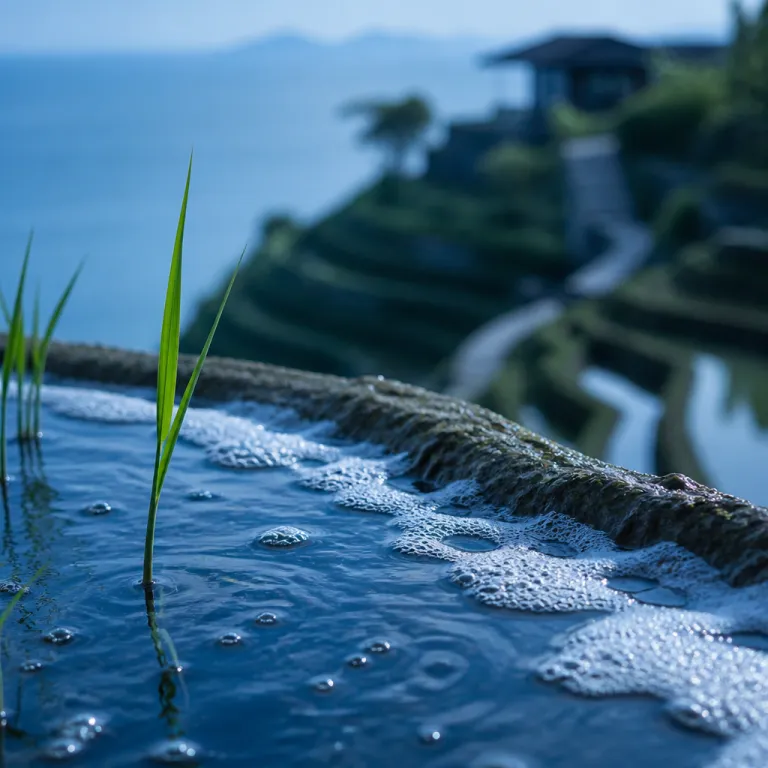
Vietnamese rice field panoramas and where luxury travelers should stay
A Vietnamese rice field is not just farmland; it is a living gallery. Across Việt Nam, paddies unfold in luminous shades of green and gold, and they shape where discerning travelers choose to book their luxury hotels. From the Red River plains to the Mekong Delta, these rice landscapes define the rhythm of rural life and frame some of the country’s most memorable views.
For premium guests, the most evocative stays often frame a rice field directly from the suite balcony, spa pavilion, or infinity pool. When you plan travel in north or south Việt Nam, consider how close your hotel lies to active rice farming areas, because that proximity transforms a simple overnight into an immersive experience. Many high-end properties now design their architecture to open toward surrounding paddies, so every aerial view from a rooftop bar or drone camera captures uninterrupted checkerboards of rice.
Rice is the country’s staple grain and the backbone of its cuisine, and a Vietnamese rice field is where that story begins. Vietnamese farmers grow rice in paddy plots that stretch for kilometres, and their work underpins both the national economy and rural culture. According to the Food and Agriculture Organization of the United Nations, Việt Nam regularly produces more than 40 million tons of rice each year, placing it among the world’s leading exporters. When you choose a luxury hotel near working fields in Việt Nam, you are positioning yourself at the intersection of comfort, landscape, and heritage.
Northern Vietnam terraced rice landscapes and refined mountain retreats
Northern Việt Nam is where the humble paddy becomes sculpture, carved into mountainsides. Around Sa Pa, Mù Cang Chải, and Hoàng Su Phì, terraced rice fields wrap the hills in layered curves, creating some of the most dramatic countryside panoramas in Southeast Asia. Here, ethnic minority communities such as Hmong and Dao practice traditional farming, and their stepped plots sit within easy reach of carefully selected premium lodges.
When you book in north Vietnam, prioritise properties that overlook the terraces rather than just a town centre. High-end eco lodges near Mù Cang Chải’s valleys often arrange guided walks through the rice steps, so you can watch farmers transplant seedlings by hand while still returning to a heated pool and fine dining. For example, boutique retreats around Sa Pa and Nghĩa Lộ offer suites with floor-to-ceiling windows facing the paddies, while refined mountain resorts such as Topas Ecolodge near Sa Pa or Azerai Lao Cai-inspired properties in the region combine spa facilities with direct access to terraced trails. For active travelers, curated itineraries that combine luxury hotels with scenic cycling routes through northern Vietnam’s rice country can be planned using resources such as bike Vietnam in style luxury hotels and scenic cycling routes.
The best time to see terraced landscapes in this area is late September to early October for golden harvest views. During this period, every hillside glows amber, and the contrast with dark mountains makes each aerial view particularly striking. Earlier in the season, from late June to July, the terraces are typically flooded and bright green after planting, according to regional tourism boards in Yên Bái and Lào Cai. Luxury hotels that understand this seasonal rhythm will offer harvest-themed experiences, from photography sessions in northern rice valleys to private picnics among ripening paddies.
Red River and Mekong Delta Vietnam rice heartlands with riverside luxury
While the mountains of northern Vietnam offer drama, the deltas provide breadth and calm. The Red River plains near Hà Nội and the Mekong Delta region in the south host vast lowland paddy systems, and they are ideal for travelers who prefer gentle landscapes and easy logistics. In these areas, a Vietnamese rice field often stretches right to the edge of a resort’s garden or riverside deck, especially around Cần Thơ and the outskirts of Ninh Bình.
The Mekong Delta is sometimes called the rice bowl of Việt Nam, and a single panorama can contain hundreds of individual plots. Upscale river cruises and luxury lodges in this southern corridor allow guests to watch farmers grow and harvest rice from the comfort of a cabin or poolside lounger. Many itineraries combine these inland scenes with refined seascape experiences, and you can pair a delta stay with poetic coastal cruising using inspiration from Hạ Long Bay tours for refined travelers.
In the south, a typical Vietnamese rice field is a flat paddy irrigated by canals, and the aerial view from a helicopter or drone reveals a patchwork of emerald rectangles. Luxury hotels in this area often arrange private boat transfers along waterways that cut through the fields, so you glide past farmers who grow rice using both traditional hand tools and modern machinery. When comparing deltas, note that the Mekong region offers more extensive cultivation than the smaller coastal lowlands near central provinces. Riverside properties in hubs such as Cần Thơ, including well-known brands like Azerai Can Tho and Victoria Can Tho Resort, position suites and pools to capture sunrise light over nearby paddies and canals.
Immersive vietnamese rice field experiences from luxury hotels
Staying near a Vietnamese rice field is only the beginning; the most rewarding trips weave curated experiences into that landscape. Many premium properties partner with local farmers to offer guided walks through active paddies, where guests can step carefully along narrow bunds and learn how rice is grown across different seasons. These activities turn a static postcard view into a living classroom.
Some mountain retreats in northern Vietnam arrange visits to ethnic minority villages where terraced farming remains central to daily life. In Mù Cang Chải, for example, guests may join a short session of planting or harvesting on a hillside plot, then return to the lodge spa for a herbal bath using local plants. Such programs respect that cultivation is year-round work, and they highlight how communities manage paddy fields while balancing tourism and tradition.
For travelers who prefer low-impact adventures, several luxury hotels now curate kayaking, cycling, and trekking itineraries that pass through rice landscapes without disturbing farming routines. Carefully planned routes, such as those highlighted in Viet Nam’s best low impact adventure hotels, allow guests to enjoy an aerial view from hilltops or passes above each valley. These experiences show how a Vietnamese rice field can be appreciated respectfully, with clear paths that avoid damaging young seedlings. When hotels provide illustrated field guides or image galleries with descriptive alt text such as “terraced Vietnamese rice field at sunset” or “Mekong Delta rice paddies seen from luxury riverside resort,” travelers can also prepare for photography before they arrive.
From Cần Thơ to Mù Cang Chải : choosing the right rice landscape
Each Vietnamese rice field region offers a distinct mood, so your hotel choice should match your travel style. In the Mekong Delta hub of Cần Thơ, riverside luxury hotels sit near wide paddy flats, and guests can visit floating markets before returning to tranquil pools. This area suits travelers who want easy access, flat cycling routes, and soft light over the fields at sunrise.
By contrast, the highlands around Mù Cang Chải in north Vietnam appeal to guests who enjoy dramatic scenery and cooler air. Here, every terraced slope clings to steep ridges, and premium lodges often occupy hilltops with panoramic views over misty valleys. The journey requires more time, yet the reward is a Vietnamese rice field panorama that feels far removed from urban life.
Central provinces such as Yên Bái and Hà Giang (often written Giang in travel notes) bridge these two extremes, offering both terraced and valley-floor paddies. Luxury travelers can base themselves in carefully selected eco-focused properties that overlook a mixed rice-and-forest landscape, then drive to nearby passes for sweeping aerial photography. Whether you choose Cần Thơ, Mù Cang Chải, or Hà Giang, align your booking dates with planting or harvest to see Việt Nam’s rural scenery at its most photogenic; provincial tourism departments and the Việt Nam National Administration of Tourism publish updated guidance on local calendars that hotels can share on request.
Cultural context, etiquette, and sustainability around vietnamese rice fields
A Vietnamese rice field is not a backdrop created for tourism; it is a workplace and cultural anchor. Vietnamese farmers and ethnic minority communities rely on rice farming to support their families, and respectful behavior from luxury guests helps protect both livelihoods and landscapes. When walking near a paddy, always stay on established paths and avoid stepping into the waterlogged plots themselves.
Rice cultivation in Việt Nam combines traditional techniques with modern innovation, and many hotels now support sustainable practices through local partnerships. Guests may see water buffalo working alongside small tractors in different regions, illustrating how farmers grow rice while adapting to climate and market pressures. Some properties contribute to community funds that improve irrigation for delta areas or support terrace maintenance in northern highlands.
Visitors often ask: “When is the best time to visit Vietnamese rice fields?” and the clearest guidance is that late September to early October offers the most reliable golden harvest views, while late June and July usually bring lush green terraces shortly after planting in many northern regions. Luxury hotels that understand this timing will schedule photography workshops, cooking classes focused on rice-based Việt Nam dishes, and talks with local growers. By choosing stays that foreground the countryside respectfully, travelers help ensure that these landscapes remain both economically viable and visually extraordinary.
Key figures about vietnamese rice fields and tourism
- Annual rice production in Việt Nam reaches about 43 million tons according to Rough Guides and data from the General Statistics Office of Viet Nam, and this scale explains why almost every rural hotel view includes at least one paddy.
- Planting in many northern Vietnam terraced regions typically occurs from May to June, so travelers who want lush green slopes should time their stays for late June or July when the fields are fully flooded and vibrant.
- Harvesting in major rice-growing regions often falls between September and October, which aligns with peak demand for luxury suites that overlook golden valley landscapes.
- Increased tourism to rice field regions has encouraged more high-end eco lodges to open near Mù Cang Chải and Hà Giang, yet responsible planning keeps the farming area dominant over construction footprints.
- Adoption of sustainable farming practices, such as reduced chemical use in paddy systems, benefits both local communities and premium hotels that market clean, scenic environments to international guests.
Frequently asked questions about vietnamese rice fields and luxury stays
When is the best time to visit vietnamese rice fields for scenic views ?
The most photogenic period for a Vietnamese rice field is usually from late September to early October, when many regions reach the golden harvest stage. Travelers who prefer lush green terraces should aim for late June or July, shortly after planting in northern Vietnam’s highland areas. Always confirm local calendars with your chosen hotel, because microclimates can shift planting and harvesting by several weeks.
Which regions are most famous for terraced rice landscapes in Việt Nam ?
The best known terraced rice field regions are Sa Pa, Mù Cang Chải, and Hoàng Su Phì in north Vietnam. These areas combine steep mountains, cool air, and intricate stepped systems cultivated by ethnic minority communities. Luxury travelers can find refined lodges and resorts positioned to overlook these panoramas while still offering high service standards.
Can luxury travelers visit rice fields without disturbing local farmers ?
Yes, provided visits are organised thoughtfully through hotels that coordinate with Vietnamese farmers and village leaders. Reputable properties arrange guided walks along established paths, avoiding damage to paddies and respecting work schedules. Guests should always follow instructions, refrain from entering a field uninvited, and ask permission before taking close-up pictures of people at work.
How do rice fields influence the design of luxury hotels in Việt Nam ?
Many premium properties orient their rooms, pools, and restaurants toward at least one nearby paddy to maximise views. Architects often use large windows, open-air terraces, and elevated walkways so guests enjoy an almost continuous aerial view of surrounding countryside. In mountain regions, lodges may step down slopes in their own terraced form, echoing the pattern of the fields outside.
Are rice field experiences suitable for families and less active travelers ?
Rural landscapes in Việt Nam can be enjoyed by a wide range of guests, including families and travelers who prefer gentle activities. Many hotels offer short, flat walks along the edge of a rice field, easy boat rides through Mekong Delta canals, or vehicle-based viewpoints over northern terraces. When booking, ask your hotel to recommend experiences that match your mobility level and comfort with uneven ground.