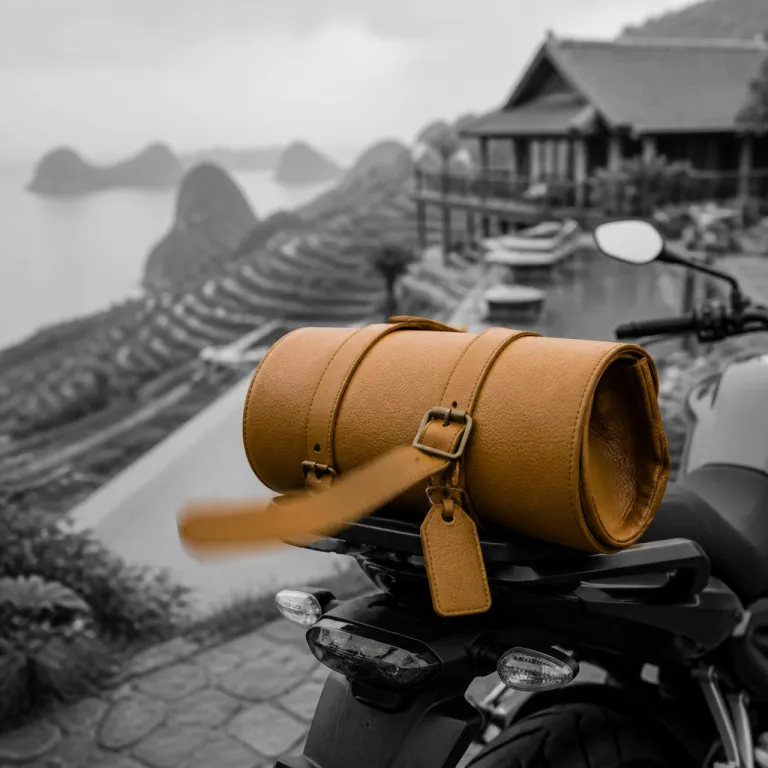
Vietnam motorbike elegance: how luxury hotels frame the journey
Vietnam motorbike journeys feel different when every evening ends in a refined suite. A carefully chosen luxury hotel in Vietnam turns each long day of riding into a curated travel experience, where wellness facilities, attentive staff, and quiet corners help riders reset before the next road. When you plan a motorcycle tour or several motorcycle tours, the standard of your stays matters as much as the route itself.
Across the country, motorbike riders share the same daytime chaos as Vietnamese citizens who use motorbikes for daily transport. Yet your nights can unfold in calm lounges, riverside terraces, and sky bars that contrast sharply with the busy streets of Hanoi or Ho Chi Minh City. This balance between intense riding and indulgent rest is what defines the best Vietnam motorbike itineraries for discerning guests.
Motorbikes dominate transport in Vietnam, with tens of millions registered nationwide. That reality shapes every motorbike tour, every loop motorbike itinerary, and every short motorcycle ride between luxury properties in northern Vietnam or along the southern coast. When you choose hotels, look for concierges who understand local riding conditions, can brief you on the best time to depart, and know which scenic spots are realistic within your planned duration days.
Choosing destinations in Hanoi and Ho Chi Minh City for refined riders
Hanoi is often the first stop for a Vietnam motorbike adventure, and your hotel choice here sets the tone. In the capital, prioritize properties in the Old Quarter or around Hoan Kiem Lake, where short day rides to nearby scenic spots are easy and where staff are used to arranging secure parking for both a single motorcycle and larger groups of riders. These hotels also understand that many guests arrive from long tours and need early check in, late check out, and flexible spa appointments.
Look for concierges who can suggest destinations near Hanoi that work for a half day ride, such as the ceramic village of Bat Trang or the rural lanes around Soc Son. A well briefed team will know which roads are safer for less experienced riders, which loops avoid heavy trucks, and which local cafés welcome motorbike tours with space to park. When a hotel understands the rhythm of riding, it can time breakfast, luggage handling, and airport transfers around your motorcycle tour schedule.
In Ho Chi Minh City, luxury hotels in District 1 or along the Saigon River serve as ideal bases for southern Vietnam motorcycle excursions. From here, riders can plan a day ride to Can Gio’s mangroves or longer tour days into the Mekong Delta, returning to rooftop pools and refined dining each night. Whether you are planning a short north Vietnam loop later or focusing on the south, these urban stays provide essential recovery between demanding stretches of road.
Scenic northern Vietnam by motorbike: loops, passes, and premium stays
Northern Vietnam offers some of Asia’s most dramatic motorbike routes, and luxury hotels are slowly catching up with the demand from riders. The Ha Giang loop has become a legendary road for Vietnam motorbike enthusiasts who want towering limestone peaks and remote valleys. While the region still leans toward simple guesthouses, a growing number of premium ecolodges and riverside retreats now cater to motorcycle tour guests seeking comfort.
When planning your Ha Giang loop motorbike itinerary, consider breaking the journey into shorter duration days to align with the best time for photography and safer riding. Early starts from Hanoi allow you to reach Ha Giang City by late afternoon, where a higher end lodge can arrange secure parking, laundry, and local guides for the next day. From there, tour days can be structured around scenic segments such as Quan Ba Pass, Yen Minh’s pine forests, and the stone plateau near Dong Van.
Riders who value premium stays should ask booking platforms to filter for properties with strong reviews from previous motorbike tours. Look for mentions of drying rooms for wet gear, hearty breakfasts timed for early riding, and staff who can brief you on local road conditions in north Vietnam. For those who also enjoy cycling, curated itineraries that combine refined hotels with scenic riding routes are well presented in resources such as bike Vietnam in style with luxury hotels and scenic cycling routes, which can inspire similar standards for your motorcycle journeys.
Mai Chau and northwest Vietnam: gentle valleys and polished lodges
Not every Vietnam motorbike route in the north needs to be extreme. The valley of Mai Chau, around 140 km from Hanoi, offers softer landscapes, terraced rice fields, and a growing collection of upscale lodges that welcome both solo riders and small tours. This region suits travelers who prefer shorter day rides, cultural encounters, and evenings with wine on a balcony overlooking stilt houses.
From Hanoi, a well planned motorcycle tour to Mai Chau can be done in one or two tour days, depending on how often you stop for photos and village visits. The road over Thung Khe Pass is winding but manageable for riders with moderate experience, especially when they start at the best time of day, usually early morning before traffic builds. Many luxury lodges here can arrange guided riding or transfers for non riders in your group, allowing everyone to enjoy northwest Vietnam at their own pace.
For those continuing deeper into northwest Vietnam, such as toward Moc Chau or Son La, it is wise to alternate longer riding days with restful nights in higher end properties. This pattern keeps riders alert and reduces fatigue on challenging mountain roads, particularly when weather changes quickly. When booking, check whether the hotel can store helmets and protective gear securely, as this small detail often separates a generic stay from a truly rider friendly base.
From Ha Giang to Cao Bang and Dong Van: wild landscapes, elevated stays
The arc from Ha Giang through Dong Van to Cao Bang forms one of the most spectacular Vietnam motorbike corridors in the country. This region of northern Vietnam combines UNESCO listed geoparks, high passes, and remote ethnic minority villages with a slowly expanding network of comfortable lodges and small luxury hotels. For riders, the challenge is to balance the raw thrill of the road with the need for safe, restorative nights.
On the Ha Giang loop, many riders choose to overnight in Dong Van, where a handful of higher quality properties now offer heated rooms, better bedding, and reliable hot water. These comforts matter after a long day of riding through wind and mist, especially for motorcycle tours that continue toward Meo Vac and the Ma Pi Leng Pass. When planning your duration days, allow extra time for photo stops and slow trucks, rather than pushing late into the evening when visibility drops.
From Ha Giang, experienced riders often extend their motorcycle tour toward Cao Bang to reach Ban Gioc Waterfall and the surrounding karst landscapes. Here, a refined selection of riverside resorts and countryside retreats has emerged, giving Vietnam motorcycle travelers a more polished base for exploring caves, border viewpoints, and quiet rural roads. For a detailed look at upscale options in this area, consult guides such as a refined guide to Ban Gioc Waterfall and luxury stays in northern Vietnam, which highlight properties that understand the needs of riders.
Safety, licensing, and how hotels can support responsible riding
Safety should sit at the center of every Vietnam motorbike itinerary, especially in mountainous regions like Dong Van and Cao Bang. Official guidance from Vietnamese transport authorities emphasizes wearing a certified helmet, riding defensively, and avoiding alcohol before driving. Luxury and premium hotels can reinforce these messages by offering quality helmets for short local rides, arranging licensed guides, and reminding guests about local traffic laws.
Foreign riders must hold a valid motorcycle license from their home country and, in most cases, a Vietnamese-recognized permit or International Driving Permit based on the 1968 Vienna Convention. Regulations and enforcement can change, so travelers should confirm current rules with their embassy or a reputable tour operator before riding in Vietnam. Many high end hotels in Hanoi and Ho Chi Minh City now partner with rental companies that provide properly registered motorbikes, insurance options, and basic safety briefings, and official information is summarized on the Vietnam National Administration of Tourism and Ministry of Transport portals.
Some travelers prefer to enjoy the scenery from the pillion seat rather than riding themselves. In that case, hotels can arrange guided motorbike tours with experienced local riders who know the Ha Giang loop, the roads around Cao Bang, or the gentler valleys near Mai Chau. This approach allows guests to experience the drama of north Vietnam’s landscapes while relying on professionals who understand the terrain, weather patterns, and safe pacing for each day.
The Ho Chi Minh Trail and central Vietnam: history, curves, and coastal retreats
While northern Vietnam draws much attention, the historic Ho Chi Minh Trail in central regions offers a different style of Vietnam motorbike journey. This route threads through forests, river valleys, and former wartime supply lines, now transformed into quiet tarmac ideal for long motorcycle tours. Luxury and premium hotels in cities like Hue, Da Nang, and Hoi An provide sophisticated bases between these remote stretches of road.
Riders can structure their tour Vietnam along this corridor into clear tour days, alternating between inland riding and coastal relaxation. One day might involve a long ride along the Ho Chi Minh Trail, passing small towns and coffee plantations, while the next day is reserved for spa treatments and fine dining in a beachfront resort. This rhythm suits travelers who want both the intensity of motorcycle riding and the restorative calm of high end hospitality.
For those who value sea views as much as mountain passes, combining a Vietnam motorbike itinerary with curated coastal stays works beautifully. Detailed inspiration for such combinations appears in resources like Vietnam beach escapes for luxury travelers seeking the best coastal stays, which highlight properties that pair well with inland motorcycle routes. When planning, pay attention to the best time of year for central Vietnam, as the rainy season can make some sections of road less enjoyable and reduce visibility.
Linking central highlands, passes, and heritage towns
From Da Nang, many riders tackle the Hai Van Pass as a classic day ride, then continue toward the central highlands. Cities like Kon Tum, Pleiku, and Buon Ma Thuot offer access to coffee country, waterfalls, and quieter roads that contrast with the busier coastal highways. While luxury options are fewer here than in Hanoi or Ho Chi Minh City, a careful search on premium booking platforms reveals several high quality lodges and urban hotels that understand motorcycle guests.
Heritage towns such as Hoi An reward slower travel, making them ideal rest points within a longer Vietnam motorbike itinerary. After several demanding days on the Ho Chi Minh Trail, riders can spend two or three days in a riverside resort, exploring the old town on foot while their motorbike rests in secure parking. Many properties here offer laundry services, gear storage, and flexible meal times, all of which support the practical needs of motorcycle tours.
When linking central Vietnam with north Vietnam, consider flying between Da Nang and Hanoi, then continuing your motorcycle tour from the capital. This strategy saves time on less scenic highways and allows you to focus your riding days on the most rewarding segments, such as the Ha Giang loop or the valleys around Mai Chau. Premium booking sites make it easy to coordinate flights, transfers, and hotel stays into a single, coherent itinerary.
Planning duration, seasons, and routes for a refined Vietnam motorbike stay
Thoughtful planning transforms a Vietnam motorbike idea into a seamless luxury journey. Start by defining your duration days, then match them to realistic routes that connect scenic spots with premium hotels in both cities and rural areas. For many travelers, ten to fourteen tour days allow a balanced mix of Hanoi, Mai Chau, the Ha Giang loop, and perhaps an extension to Cao Bang.
The best time to ride in north Vietnam usually falls in the drier months, when mountain roads are more stable and visibility is clearer. In contrast, central and southern regions have different weather patterns, so a tour Vietnam that spans multiple regions requires careful attention to seasonal forecasts. Luxury hotels often have concierges who can advise on local climate, helping you adjust your motorcycle tour schedule if heavy rain or fog is expected.
When planning, consider how many hours of riding per day you truly enjoy, not just what looks efficient on a map. Many experienced riders in Vietnam recommend limiting riding to five or six hours per day, leaving time for photo stops, café breaks, and unplanned detours to local markets. This slower pace aligns well with the ethos of premium travel, where the goal is not to rush but to savor each road, each view, and each evening in a carefully chosen hotel.
Balancing guided tours and independent riding
Some travelers prefer fully guided motorbike tours, while others enjoy independent riding supported by a strong hotel network. Guided options often include a lead rider, a mechanic, and a support vehicle, which can be reassuring on remote roads in north Vietnam or along the Ho Chi Minh Trail. Independent riders, by contrast, rely more heavily on hotel concierges, local contacts, and digital maps to shape each day.
One effective strategy is to book a guided segment for the most challenging part of your Vietnam motorbike journey, such as the Ha Giang loop or the roads around Dong Van, then ride independently in easier regions like Mai Chau or the Red River Delta. This hybrid approach lets you benefit from local expertise where it matters most, while still enjoying the freedom of solo travel on simpler routes. Luxury and premium hotels can help coordinate both styles, connecting you with reputable tour operators and providing secure storage for your luggage and riding gear between segments.
Whichever style you choose, prioritize safety and legal compliance. Current guidance from Vietnamese authorities stresses that motorbikes offer efficient transport in dense cities but require strict adherence to traffic laws, proper licensing, and protective gear. When hotels echo these messages and help guests follow them, they contribute directly to safer, more enjoyable motorcycle experiences across Vietnam.
How luxury booking platforms curate Vietnam motorbike friendly stays
Specialized booking platforms focused on Vietnam now play a crucial role in connecting riders with hotels that genuinely understand motorcycle travel. These sites filter properties not only by star rating and amenities, but also by practical features such as secure parking, early breakfast, and proximity to scenic roads. For Vietnam motorbike enthusiasts, this level of curation saves time and reduces the risk of arriving at a hotel that cannot accommodate their needs.
When evaluating options, look for detailed descriptions that mention support for motorbike tours, including luggage storage for multi day loops and partnerships with local guides. Properties in Hanoi, for example, may highlight their experience hosting riders who tackle the Ha Giang loop, while hotels in Cao Bang might emphasize their familiarity with routes to Ban Gioc Waterfall. In Ho Chi Minh City, some high end hotels now promote tailored services for riders exploring the Mekong Delta or the coastal roads toward Vung Tau.
Reviews from fellow riders are especially valuable, as they reveal how hotels perform in real conditions. Pay attention to comments about how staff handled late arrivals after long riding days, whether they offered route advice for the next day, and how they responded to minor mechanical issues such as flat tires. Over time, this feedback loop encourages more properties across Vietnam to adapt their services to the growing community of motorcycle travelers.
Integrating motorbike travel with broader luxury itineraries
For many guests, a Vietnam motorbike segment is just one chapter in a wider Vietnamese journey. A typical itinerary might begin with several nights in a riverside hotel in Hanoi, followed by a weeklong motorcycle tour through north Vietnam, then a flight to Da Nang for coastal relaxation. Premium booking platforms make it easier to stitch these elements together, ensuring consistent service standards across very different regions.
Some travelers also combine motorcycle tours with other forms of slow travel, such as cycling, trekking, or river cruising. In these cases, hotels that understand active guests can coordinate equipment storage, laundry, and transfers between different activities, keeping the overall experience smooth. The goal is to let you focus on the joy of riding and the beauty of the landscapes, while the logistical details quietly fall into place behind the scenes.
As motorbike ownership in Vietnam continues to grow, with millions of units registered nationwide, the hospitality sector is adapting quickly. Luxury and premium hotels that embrace riders as valued guests, rather than treating motorbikes as an inconvenience, will stand out in this evolving market. For travelers, that means more choice, better service, and a richer blend of road adventure and refined comfort across the country.
Key statistics for Vietnam motorbike travel and hospitality
- Vietnam had around 77 million registered motorbikes as of 2023, according to summaries of National Traffic Safety Committee data and Ministry of Public Security vehicle statistics, which means roughly 770 motorbikes per 1,000 people and explains why riders encounter dense two wheel traffic even near luxury hotels.
- Figures compiled from Vietnam Association of Motorcycle Manufacturers reports indicate that several thousand new motorbikes were sold daily in early 2023, showing continued growth in motorcycle use that directly influences demand for rider friendly accommodation.
- Helmet laws introduced nationwide in 2007 significantly improved safety for both local riders and visiting travelers, and high end hotels now routinely remind guests to comply with these regulations when renting or riding motorbikes.
- Motorbikes remain the dominant mode of transportation in Vietnam’s major cities, which makes them a practical choice for accessing scenic spots that are difficult to reach by car or public transport from urban luxury bases.
- Government and industry initiatives are encouraging the adoption of electric motorbikes and safer traffic practices, trends that premium hotels increasingly support through partnerships with reputable rental companies and guided tour providers.
Frequently asked questions about luxury hotels and Vietnam motorbike travel
Is it safe to ride a motorbike in Vietnam while staying in luxury hotels ?
Riding a motorbike in Vietnam can be safe when you follow traffic laws, wear a quality helmet, and ride within your limits. Luxury hotels in Hanoi, Ho Chi Minh City, and key regional hubs often work with reputable rental companies and guides, which further improves safety. Choosing shorter riding days and avoiding night riding also helps reduce risk.
Do I need a specific license to join a motorcycle tour in Vietnam ?
Yes, you need a valid motorcycle license from your home country, and an International Driving Permit based on the 1968 Vienna Convention is strongly recommended for foreigners who wish to ride legally. Many professional tour operators and high end hotels will check these documents before renting you a motorbike or confirming a guided tour. Riding without proper licensing can affect your insurance coverage and expose you to fines.
What is the best time of year for a Ha Giang loop motorbike trip ?
The Ha Giang loop in north Vietnam is generally most pleasant in the drier months, when roads are less slippery and mountain views are clearer. Shoulder seasons often provide a good balance of mild temperatures and fewer crowds, which suits travelers seeking a quieter, more refined experience. During heavy rain or fog, it is wise to adjust your route or spend an extra night in a comfortable lodge.
Can luxury hotels store my luggage while I ride multi day loops ?
Many upscale hotels in Hanoi, Cao Bang, and other gateway cities offer complimentary luggage storage for guests who head out on multi day motorcycle tours. This allows you to ride the Ha Giang loop or similar routes with only essential gear, then return to the same hotel afterward. Always confirm storage policies in advance and label your bags clearly.
Are guided motorbike tours worth it for experienced riders ?
Even experienced riders often find guided motorbike tours valuable in remote regions like Ha Giang, Dong Van, or along the Ho Chi Minh Trail. Local guides know current road conditions, safe fuel stops, and reliable accommodation, which can save time and reduce stress. For many travelers, combining a guided segment with independent riding elsewhere in Vietnam offers the best overall experience.
Sources : National Traffic Safety Committee (Vietnam) data summaries up to 2023, Vietnam Association of Motorcycle Manufacturers market reports, Government of Vietnam transport regulations, and public guidance from the Vietnam National Administration of Tourism.