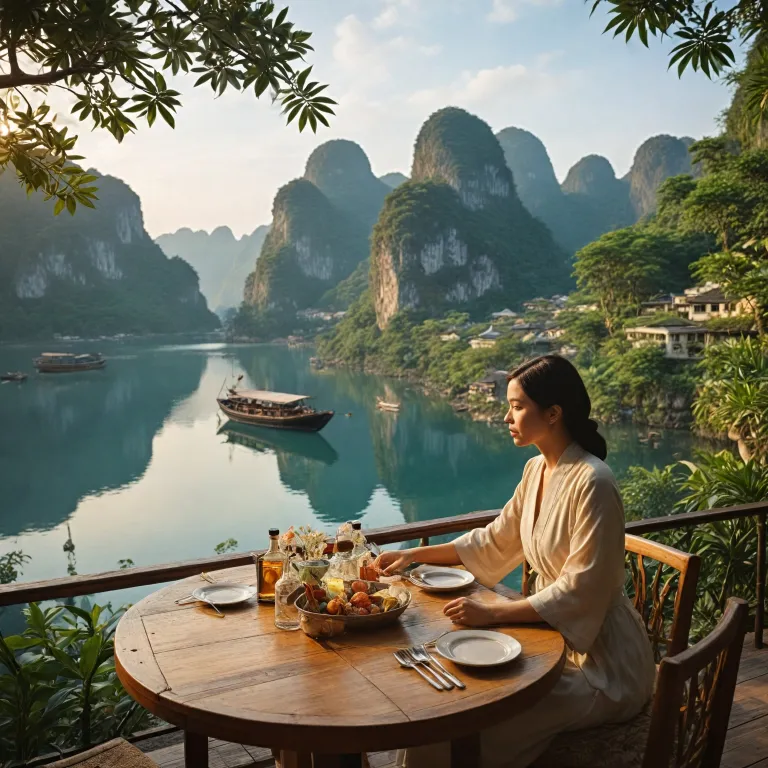
Luxury Vietnam stays shaped by a fast rising premium market
Luxury Vietnam travel is evolving quickly as wealth grows across the country. Vietnam now attracts High Net Worth Individuals and an expanding Vietnamese middle class who expect refined service, curated tours, and seamless digital booking journeys. This shift is transforming every major city, from Hà Nội to Hồ Chí Minh City, into a sophisticated playground for premium stays and elevated dining.
Market analysts note that Vietnam’s luxury segment is expanding strongly, and this momentum directly benefits travelers planning a high end trip. “The growth is driven by rising disposable incomes, an expanding middle class, and an increasing number of high-net-worth individuals.” For guests comparing a resort in Phú Quốc with a city hotel in Sài Gòn, this means more choice, better trained staff, and higher design standards in both singular property and wider portfolios.
Online platforms now highlight premium rooms with panoramic view options, late breakfast service, and tailored city experiences. Luxury brands invest in prime addresses in District 1 of Hồ Chí Minh City and around Hoàn Kiếm Lake in Hà Nội, while hospitality groups refine their presence in Đà Nẵng, Nha Trang, and Hội An. As a result, a luxury Vietnam itinerary can combine a Park Hyatt suite in Hồ Chí Minh City, a Capella Hanoi stay near the Opera House, and a secluded resort on Côn Đảo within one coherent, well supported booking journey.
Designing a luxury Vietnam itinerary across cities and coastlines
Thoughtful planning is essential when you want a luxury Vietnam trip that balances cities, coastlines, and cultural immersion. Many travelers start in Hà Nội, where Capella Hanoi offers theatrical interiors, refined Vietnamese dining, and easy access to the Old Quarter’s street food alleys. From there, a private tour to Hạ Long Bay allows you to enjoy a spacious cabin, terrace breakfast, and uninterrupted view of limestone karsts rising from the water.
Further south, Hội An and nearby Đà Nẵng form a natural pairing for resort stays and heritage exploration. The Four Seasons Resort The Nam Hai, often simply called Nam Hai by regular guests, sits on a long stretch of sand that links modern resort Nam experiences with the lantern lit streets of Hội An Ancient Town, a UNESCO heritage site. Many travelers schedule at least one full day to wander the old streets, then return to the seasons resort for a sunset swim and relaxed dining.
Ho Chi Minh City, still affectionately called Sài Gòn by locals, anchors the southern leg of many itineraries. Here, Park Hyatt Saigon and Hyatt Saigon properties place you close to Đồng Khởi’s luxury retail, while a short flight connects you to Phú Quốc, Nha Trang, or Côn Đảo for island time. A well structured luxury Vietnam journey often ends with two or three nights on Phú Quốc or Côn Đảo, where the only decisions involve spa appointments, poolside cocktails, and which tour to book for the next morning.
From Hà Nội to Sài Gòn : how to choose the right luxury base
Selecting the right hotel in Vietnam depends on how you like to travel and what you value most. In Hà Nội, Capella Hanoi appeals to guests who appreciate theatrical design, intimate scale, and curated cultural programming that brings Vietnamese opera and art into the property. Larger lakeside addresses suit travelers who prefer a quieter setting, generous spa facilities, and a more expansive view over West Lake at the end of each day.
In Hồ Chí Minh City, Park Hyatt Saigon remains a reference point for discreet service, central location, and polished dining that blends international technique with Vietnamese flavors. Nearby, other Hyatt Saigon properties and independent luxury hotels offer alternatives for guests who prioritize rooftop pools, contemporary interiors, or direct access to the city’s growing luxury retail scene. When comparing options, look beyond room size and rate, and examine breakfast quality, concierge strength, and how each property supports your wider trip Vietnam plans.
Along the coast, the Four Seasons Resort The Nam Hai near Hội An, and several high end resort nam properties in Nha Trang and Phú Quốc, focus on privacy, wellness, and immersive local experiences. Many guests pair a stay at The Nam Hai with time in Hội An’s UNESCO heritage old town, then continue to Nha Trang for marine activities or to Côn Đảo for quieter beaches. A luxury Vietnam itinerary that combines Hà Nội, Sài Gòn, and at least one coastal resort gives you a balanced sense of both city energy and coastal calm.
Immersive experiences : from street food to Mekong River journeys
Luxury Vietnam travel is no longer limited to plush rooms and infinity pools ; it now embraces immersive experiences that connect you with local life. In Hà Nội and Hồ Chí Minh City, curated street food tours allow you to enjoy authentic dishes in a safe, guided way, often paired with craft cocktails back at your hotel. Many high end properties coordinate these outings, ensuring that dietary preferences, timing, and transport align smoothly with your wider trip.
Multi country itineraries such as Cambodia Vietnam or Vietnam Cambodia journeys are increasingly popular among seasoned travelers. Guests might begin with Angkor’s temples, then fly to Đà Nẵng for a stay at The Nam Hai and exploration of Hội An and Huế, both rich in UNESCO heritage sites. Others prefer a Vietnam Laos or Cambodia Vietnam Laos circuit, where a Mekong River cruise links Luang Prabang, the Delta, and Hồ Chí Minh City into one coherent narrative.
In the south, the Mekong River remains a highlight for many visitors who want to see another side of Vietnamese life. Luxury sampans and small cruise vessels offer spacious cabins, refined dining, and sunrise coffee on deck as you glide past floating markets and river islands. These experiences pair naturally with a few nights in Sài Gòn, where Park Hyatt Saigon or another Hyatt Saigon property can arrange transfers, private guides, and tailored day tours that fit your pace.
Culinary refinement : breakfast rituals, elevated dining, and local flavors
For many guests, the measure of luxury Vietnam hospitality begins at breakfast, when the day’s rhythm is quietly set. Leading hotels in Hà Nội, Sài Gòn, and Đà Nẵng now present extensive buffets that combine Vietnamese classics such as phở and bún with Western favorites, fresh tropical fruit, and made to order eggs. A well curated breakfast service should feel unhurried, with staff remembering your coffee preference and offering suggestions for the day’s activities.
Evening dining has become a highlight of travel in Vietnam, especially in cities with strong culinary reputations. In Hà Nội, Capella Hanoi and other high end properties collaborate with local chefs to reinterpret traditional recipes, while still encouraging guests to sample nearby street food for contrast. In Hồ Chí Minh City, Park Hyatt Saigon and several independent restaurants offer tasting menus that pair Vietnamese ingredients with international techniques, creating memorable meals that anchor your trip Vietnam memories.
Coastal resorts such as The Nam Hai, other resort nam properties, and island retreats in Phú Quốc, Nha Trang, and Côn Đảo emphasize seafood, wellness focused menus, and flexible dining venues. Guests might enjoy a beachside breakfast one day, then a private in villa barbecue the next, always with a view of the sea and a sense of calm. When planning a luxury Vietnam itinerary, consider allocating at least one evening in each city or resort specifically for a signature dining experience, and let your hotel’s concierge secure reservations well in advance.
Strategic booking tips for premium hotels and cross border journeys
Securing the best value and experience in luxury Vietnam hotels requires strategic planning and careful use of digital tools. E commerce platforms and brand websites now provide transparent room categories, detailed view descriptions, and clear information about breakfast inclusions and late checkout options. For complex itineraries that combine Hà Nội, Hội An, Hồ Chí Minh City, and islands such as Phú Quốc or Côn Đảo, consider working with a specialist advisor who understands both city hotels and resort nam properties.
Travelers planning Cambodia Vietnam or Vietnam Cambodia routes, sometimes extended into Vietnam Laos combinations, should pay attention to flight schedules and visa requirements. It is often efficient to route through Hồ Chí Minh City for Mekong River excursions and onward connections, then continue to Đà Nẵng for The Nam Hai and Hội An, before ending in Hà Nội for Hạ Long Bay. This structure allows you to enjoy both urban energy and coastal relaxation without excessive backtracking or rushed transfers.
Finally, remember that the Vietnamese luxury market is still expanding, with new seasons resort openings, refreshed Park Hyatt and Hyatt Saigon offerings, and rising standards in Nha Trang and other coastal hubs. As supply grows, guests benefit from competitive rates, enhanced loyalty benefits, and more creative tour options that highlight UNESCO heritage sites and authentic street food scenes. With thoughtful planning, your luxury Vietnam journey can feel both indulgent and deeply connected to the country’s culture, whether you stay a single day in each city or extend your trip across borders.
Key figures shaping luxury Vietnam hospitality
- Luxury goods market size in Vietnam is estimated at 2.5 billion USD, reflecting strong demand that also supports premium hotel development and services.
- Projections indicate that the wider luxury market could reach around 4.8 billion USD in the coming period, encouraging further investment in high end resorts and city properties.
- The number of High Net Worth Individuals in Vietnam is expected to surpass 25,812, reinforcing the country’s position as a strategic destination for luxury brands and refined hospitality.
Essential questions about luxury Vietnam travel and hotel booking
What is driving the growth of Vietnam’s luxury market ?
The expansion of Vietnam’s luxury market is closely linked to rapid economic development, rising disposable incomes, and the emergence of a confident Vietnamese middle class. As more residents travel domestically and internationally, expectations for service, design, and digital booking experiences increase across Hà Nội, Hồ Chí Minh City, and coastal destinations. This demand encourages global brands and local investors to elevate hotel standards, expand resort offerings, and refine tours that showcase both city life and UNESCO heritage sites.
Which cities in Vietnam are key for luxury shopping and premium stays ?
Hà Nội and Hồ Chí Minh City remain the primary hubs for luxury shopping, fine dining, and high end hotels. In Hồ Chí Minh City, District 1 concentrates flagship stores, Park Hyatt Saigon, Hyatt Saigon properties, and several independent luxury addresses, while Hà Nội combines lakeside retreats with central hotels such as Capella Hanoi. Many travelers pair these cities with coastal destinations like Hội An, Đà Nẵng, Nha Trang, Phú Quốc, or Côn Đảo to complete a balanced luxury Vietnam itinerary.
How are luxury brands and hotels entering and expanding in Vietnam ?
Luxury brands typically establish flagship stores in prime districts, partner with local distributors, and leverage e commerce platforms to reach affluent Vietnamese consumers. In hospitality, international groups invest in resort nam projects along the coast, seasons resort style properties near heritage towns, and city hotels that integrate refined dining and curated tours. This combined strategy strengthens Vietnam’s position as a key luxury destination in Southeast Asia and offers travelers a growing range of sophisticated options for every trip.