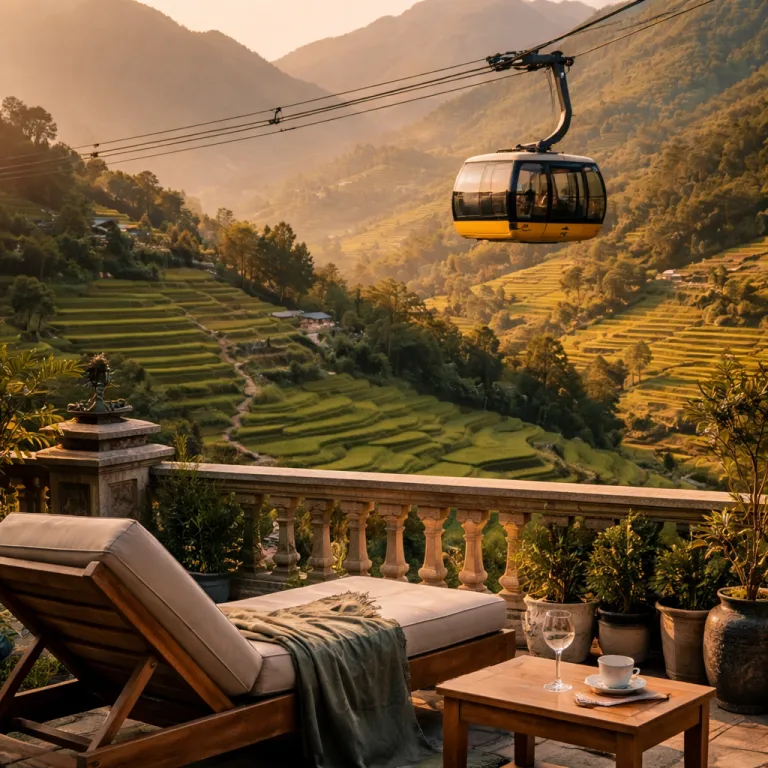
Immersive things to do in Sapa town for first time visitors
Planning refined things to do in Sapa town starts with understanding its setting in the highlands of northwest Vietnam. The town sits among misty hills, where every turn reveals new mountain views and quiet local villages that feel far from Hanoi. This contrast makes Sapa Vietnam ideal for travelers who value both comfort and authentic experience.
Most guests arrive on an overnight train or premium bus from Sapa Hanoi, then transfer to their stay in or near Sapa town. From there, you can arrange a private guide through reputable local tour operators, who connect you with ethnic minority communities for meaningful cultural encounters. These local tour guides are trained to lead trekking, cycling, and cable car excursions while respecting the environment and supporting eco friendly tourism.
When considering the best things to do in Sapa town, start with a gentle walk through the town itself to acclimatize. You will pass markets where Red Dao and other ethnic groups sell textiles, herbal products, and fragrant rice, giving a first glimpse of regional traditions. This is also the right time to plan longer trekking or a hike to nearby villages, ensuring your schedule matches the best time for clear skies and stunning views.
Luxury travelers often combine soft adventure with elevated comfort, choosing premium lodges that overlook terraced rice and forested slopes. These properties can arrange private transfers, curated visits to local villages, and tailored experiences in Sapa Vietnam. With thoughtful planning, every hour in Sapa town becomes an elegant balance of relaxation, culture, and mountain exploration.
Rice terraces, Muong Hoa valley and the art of slow travel
Among the most memorable things to do in Sapa town is to spend unhurried time in the Muong Hoa valley. This valley lies below Sapa town and is framed by Fansipan mountain, with rice terraces cascading down the slopes in intricate patterns. In spring and summer, the rice fields glow in layered greens, while autumn brings golden rice terraces that photographers consider among the best landscapes in Vietnam.
Walking or gentle trekking through Muong Hoa allows you to appreciate how local communities have shaped these terraced rice systems over generations. Guides explain how water flows between rice fields, how families share labor, and why sustainable farming is essential for preserving the terraces. This kind of guided experience turns a simple hike into a deeper understanding of Sapa Vietnam and its agricultural heritage.
For luxury guests, private car transfers from Sapa town to trailheads make the journey more comfortable, especially in changing weather. Many premium hotels collaborate with eco conscious partners who prioritize low impact routes and respectful visits to local villages. For more insight into how high end stays can remain responsible, you can explore this overview of sustainable luxury trends in Vietnam's premium hotel booking landscape.
As you move through Muong Hoa valley, pause often to take in the mountain views and listen to the quiet rhythm of village life. The best things here are rarely rushed ; a slow walk, a shared cup of tea, and time spent watching farmers in the rice fields can be more rewarding than ticking off many attractions. This slower pace aligns beautifully with the ethos of refined travel, where each moment in Sapa town is savored rather than hurried.
Trekking, hiking and guided routes through Sapa’s local villages
Active travelers will find that trekking ranks high among the essential things to do in Sapa town. Well maintained paths link Sapa town with surrounding local villages, offering routes that range from gentle half day walks to multi day treks. A professional guide is strongly recommended, both for safety and for meaningful interaction with communities along the way.
Popular routes lead through Muong Hoa valley toward villages inhabited by Red Dao and other ethnic groups, where homestays and cultural activities are available. These treks pass through rice terraces, bamboo groves, and forested slopes, with frequent openings that reveal stunning views of Fansipan mountain and the surrounding peaks. Along the way, you will see terraced rice fields at different stages of growth, from flooded mirrors to lush green carpets.
For those who prefer a shorter hike, trails near Sapa town still offer excellent mountain views and access to local villages. You can arrange a private trekking itinerary that includes vehicle support, allowing you to walk only the most scenic sections and return comfortably to your luxury stay. Travelers interested in refined eco friendly lodging across Vietnam can consult this curated guide to refined eco luxury stays in Vietnam.
When planning trekking or a hike, consider the best time of year for clear skies and stable trails. March to May and September to November offer pleasant weather. Always book through reputable agencies, carry maps, and respect local customs, as these practices support both your safety and the long term well being of Sapa Vietnam’s communities.
Fansipan mountain, cable car journeys and elevated viewpoints
Reaching Fansipan peak is one of the most iconic things to do in Sapa town, especially for guests who appreciate dramatic panoramas. Fansipan mountain, often called the roof of Indochina, rises above Sapa Vietnam and dominates the skyline on clear days. A modern cable car system now allows travelers of varying fitness levels to access high viewpoints without a strenuous multi day hike.
The cable car station lies a short drive from Sapa town, and premium hotels can arrange private transfers and timed tickets. As the cabin ascends, you glide above forests, terraced rice slopes, and deep valleys, with increasingly wide mountain views unfolding beneath you. On clear mornings, the ride offers some of the most stunning views in the region, making it one of the best things for photographers and families.
At the upper station, you can continue by funicular or on foot to reach Fansipan peak, where viewing platforms and temples frame the surrounding landscape. From here, you see the patchwork of rice fields, distant local villages, and the rugged spine of Fansipan mountain stretching across the horizon. Many travelers describe this as a highlight of their visit Sapa itinerary, especially when combined with a leisurely afternoon back at a luxury stay.
Some itineraries also include a stop at a nearby glass bridge or elevated viewpoints along the road, adding variety to the day. When planning, allow extra time for weather changes, as clouds can move quickly around the mountain. For travelers who enjoy combining high altitude experiences with coastal relaxation, an island retreat such as Park Hyatt Phu Quoc pairs beautifully with a Sapa Vietnam journey.
Exploring Cat village, Red Dao culture and nearby attractions
Another of the classic things to do in Sapa town is to visit Cat village and other nearby settlements. Often reached by a short hike or vehicle transfer from Sapa town, Cat village sits amid rice terraces and offers insight into daily rural life. Walking through the village, you will see traditional houses, small shops, and paths that lead toward the river and surrounding rice fields.
Guided visits help ensure that time in Cat village and other local villages remains respectful and mutually beneficial. Many itineraries include encounters with Red Dao families, known for their distinctive red headscarves and intricate embroidery. These meetings can include textile demonstrations, herbal bath explanations, and shared meals featuring local rice and seasonal produce.
Beyond Cat village, some travelers choose to explore a glass bridge or scenic viewpoints along the nearby Quy pass, where the road winds between mountain slopes. The Quy pass area offers additional stunning views of terraced rice landscapes and distant peaks, making it a rewarding extension to a day trip from Sapa town. Whether you visit one village or several villages, the key is to move slowly, listen carefully, and follow your guide’s advice.
Throughout these excursions, remember the practical guidance often shared by local experts. “Pack appropriate clothing for varying weather. Respect local customs and traditions. Book tours through reputable agencies.” These simple principles help ensure that your experience in Sapa Vietnam remains comfortable, culturally sensitive, and aligned with the goals of sustainable tourism.
Planning your luxury stay and timing your Sapa Vietnam journey
Thoughtful planning transforms a list of things to do in Sapa town into a seamless luxury itinerary. Begin by choosing a stay that matches your style, whether a hillside resort with sweeping mountain views or a refined lodge closer to Sapa town’s restaurants and shops. Many premium properties offer curated experiences that combine trekking, cultural visits, and relaxation in a single, well paced program.
Timing is equally important, as the appearance of the rice terraces and rice fields changes with the seasons. Spring brings fresh greens and blooming flowers, summer offers lush terraced rice landscapes, and autumn reveals golden rice ready for harvest. Winter can bring mist and occasional snow on the mountain, creating atmospheric scenes but sometimes limiting distant views.
For most travelers, the best time to visit Sapa falls between March and May or between September and November, when temperatures are mild and trails are generally stable. During these periods, you can comfortably plan a hike, a longer trekking route, or a cable car journey to Fansipan peak without extreme heat or heavy rain. Luxury guests often coordinate private transfers from Sapa Hanoi, ensuring a smooth transition between city and mountain.
As you finalize your plans, consider how each day will balance activity and rest, culture and comfort. Include time to simply sit on a terrace, watch clouds move across Fansipan mountain, and appreciate the quiet rhythm of Sapa Vietnam. With careful choices, your stay in Sapa town becomes not only a series of activities but a coherent, elevated experience that lingers long after you leave.
Key statistics about tourism in Sapa Vietnam
- Annual tourists visiting Sapa : approximately 1 000 000 people.
- Ethnic minority groups present in the Sapa region : 5 distinct groups.
Essential questions about visiting Sapa town
What is the best time to visit Sapa ?
March to May and September to November offer pleasant weather.
How to get to Sapa from Hanoi ?
By overnight train or bus, approximately 8 hours.
Are there ATMs in Sapa ?
Yes, several ATMs are available in town.