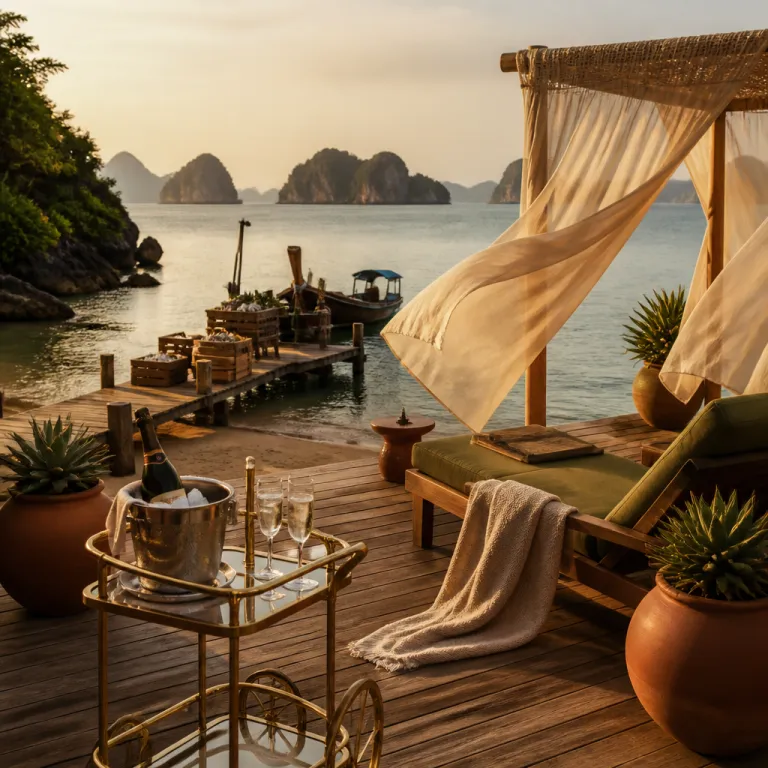
Reading the Vietnamese coastline as a luxury travel map
The Vietnamese coastline stretches for about 3,260 km, forming a graceful S shape that naturally guides how luxury travelers move between the north, central region, and the south of Vietnam. This long ribbon of sea and sand links refined destinations such as Hạ Long Bay, Đà Nẵng, Nha Trang, Phú Quốc, and the remote islands of Côn Đảo, each offering a distinct level of privacy, style, and service. When you plan Vietnam travel along this line on any detailed Vietnam map, you are really choosing between different moods of the sea, from misty limestone peaks in the north to sun-drenched beaches in southern Vietnam.
For guests using a premium hotel booking website, the first decision is usually whether to focus on the north around Hà Nội and Hạ Long, the central coastal arc, or the tropical south around Hồ Chí Minh City and the Mekong Delta. Each region of the Vietnam coast has its own rhythm of days and nights, its own balance between cultural immersion, river excursions, and pure beach relaxation. A good digital map of Vietnam, layered with hotel categories and scenic spots, lets you compare these coastal roads and river delta landscapes at a glance while you shortlist properties.
On the northern Vietnamese shoreline, luxury travelers often pair a few days in Hà Nội with a refined cruise in Hạ Long Bay before flying south. This combination allows you to experience both the historic Old Quarter of the capital and the poetic sea scenery that has made the bay a UNESCO World Heritage Site. When you browse a curated Vietnam travel platform, look for itineraries that show clear routing between city, river, and beach, so transfers feel seamless rather than rushed.
Scenic coastal destinations from Hà Nội to Nha Trang
North of Hà Nội, the Vietnamese coastline feels rugged and cinematic, with karst peaks plunging into the sea and small fishing villages hugging the shore. Many luxury guests choose a private transfer from the capital to Hạ Long Bay, then board an upscale vessel that glides between limestone towers and hidden beaches for two or three days. On a serious Vietnam travel site, you should see each cruise plotted on a clear map of Vietnam’s coastal areas, including where tenders land for cave visits, kayaking, or quiet beach time.
When you evaluate premium cruises, pay attention to cabin size, deck layout, and how many guests share the same sea views at any given time. The best operators along this part of the Vietnam coast limit passenger numbers, partner with local fishermen for fresh seafood, and follow Vietnamese government guidelines on sustainable coastal management. Tourism operators here use boats as both transport and floating hotels, while local fishermen remain primary users of the coastal waters, and this balance is central to the long-term health of the Vietnamese shoreline.
As you move south along the central Vietnamese coastline, Đà Nẵng and Nha Trang emerge as key beach destinations for high-end stays. Nha Trang in particular offers a string of islands, soft sand beaches, and sheltered bays, with luxury resorts accessible by speedboat and clearly marked on any detailed Vietnam map. If you are planning refined Hạ Long Bay tours for travelers who value comfort, look for curated suggestions similar in spirit to poetic seascape cruises for discerning guests, then mirror that standard as you continue down the coast toward Nha Trang.
Central Việt Nam coastal roads, the Hải Vân Pass, and heritage cities
The central Vietnam coastal region is where scenery, culture, and road journeys combine most dramatically for luxury travelers. Between Huế, Đà Nẵng, and Hội An, the shoreline curves around lagoons and headlands, with the famous Hải Vân Pass offering one of the most photogenic coastal roads in Asia. Many premium itineraries now weave in a private motorbike tour over this pass, supported by a backup vehicle, so guests can enjoy the views without worrying about the technical level of the ride.
For travelers who prefer not to ride a motorbike themselves, curated train journeys along the central Vietnam coast offer a gentler way to experience the same scenery. One notable example is the elegant train service between Đà Nẵng and Quy Nhơn, which pairs fine dining with panoramic sea views and can be explored through dedicated pages on luxury coastal rail experiences in central Vietnam. When you compare hotels in Huế, Đà Nẵng, and Hội An on a premium booking website, check how easily each property connects to these scenic routes and whether private transfers along Vietnam’s coastal roads are included.
Heritage cities in central Vietnam reward longer stays of four to six days, especially when you combine a river-facing hotel in Huế with a beach resort near Hội An. This pairing lets you enjoy both the Perfume River’s imperial history and the open sea, while still having time for a guided motorbike tour through rural villages and rice fields. On a good Vietnam map interface, you should be able to see how close your chosen hotel lies to the river, the beach, and the main coastal roads, which helps you balance cultural excursions with quiet hours by the pool.
Southern Vietnamese coastline, Phú Quốc, and Côn Đảo for island luxury
In southern Vietnam, the coastline softens into wide river mouths, mangroves, and long sandy beaches that feel distinctly tropical. Many luxury travelers fly into Hồ Chí Minh City, still often called Sài Gòn in everyday speech, then connect onward to Phú Quốc or Côn Đảo for pure island relaxation. When you browse a high-end Vietnam travel platform, look for packages that clearly map the journey from the city to these islands, including seaplane options and private speedboat transfers.
Phú Quốc has become one of the most important beach destinations on the Vietnamese coastline, with a mix of international brands and discreet high-end resorts. The best properties sit on quieter stretches of beach, away from the busiest southern hubs, and offer direct sea views, private pools, and curated local experiences such as night squid fishing with experienced fishermen. On a detailed Vietnam map, you will see how the island’s coastal roads loop around the shore, and a good hotel booking site will show exactly where each resort sits along this loop.
Côn Đảo, by contrast, remains more remote and feels almost untouched compared with other parts of the Vietnam coast. Luxury hotels here often emphasize conservation, working closely with government agencies and local communities to protect marine life and nesting turtles. When you plan several days on these islands, use a map of Vietnam’s coastal regions to understand flight connections from Hồ Chí Minh City, then choose properties that clearly explain their environmental commitments and partnerships with local fishermen.
Mekong River, Mekong Delta, and river meets sea experiences
While many travelers focus on beaches, the southern Vietnamese coastline is also defined by the Mekong River and its vast Mekong Delta. This river delta is where the Mekong fans into countless channels before meeting the sea, creating a landscape of floating markets, mangrove forests, and small coastal towns. On a sophisticated Vietnam travel platform, you should find itineraries that combine a few days in Hồ Chí Minh City with a luxury cruise through the Mekong Delta and then a final beach stay on the open Vietnam coast.
High-end cruises on the Mekong River often feature spacious cabins with balconies, refined dining, and guided excursions into local villages along the riverbanks. These experiences allow you to see how local fishermen and farmers live at water level, while still returning each evening to the comfort of your ship. When you examine a Vietnam map display on a booking site, look for routes that clearly show where the cruise enters the Mekong Delta, how close it comes to the sea, and where overland transfers connect back to coastal resorts.
Some travelers choose to pair a Mekong River journey with time on the beaches of Phú Quốc or the mainland south coast, creating a contrast between river life and open sea horizons. A well-designed Vietnam map tool on your booking website should help you visualize this arc, from Hồ Chí Minh City through the river delta to the islands. By seeing these routes laid out on a map of Vietnam’s coastal and river systems, you can better judge travel times, ideal trip length in days, and the right level of hotel luxury for each stop.
Planning tools, seasons, and sustainable stays along the Vietnamese coastline
Choosing the right season is crucial when booking luxury hotels along the Vietnamese coastline, because weather patterns shift between north, central, and south Vietnam. The dry months generally bring the most stable beach conditions, while the monsoon period can still be rewarding if you select properties designed for rain, as shown by concepts similar to eco lodges adapted to Vietnam’s wet season. A refined booking website should clearly indicate seasonal patterns on its Vietnam map interface, helping you match destinations to your preferred climate.
Digital tools now allow you to overlay hotel locations, scenic spots, and transport routes on a single Vietnam map, making it easier to plan multi-stop journeys along the coast. When you zoom into coastal roads, you can see where a motorbike tour might be enjoyable for a few hours and where a private car is more comfortable, especially in central Vietnam with its mountain passes. Serious Vietnam travel platforms also highlight eco certifications, partnerships with local fishermen, and adherence to Vietnamese government guidelines on sustainable coastal management, so you can align your stay with responsible tourism values.
As coastal urbanization and climate change reshape parts of the Vietnamese coastline, luxury travelers increasingly look for hotels that support conservation and cultural preservation. Many high-end resorts now work with tourism operators, government agencies, and local communities to protect coral reefs, manage waste, and maintain access for traditional fishing boats. When you read expert material, you may see concise facts such as “What is the length of Vietnam’s coastline? Approximately 3,260 km.” and “Is Vietnam’s coastline suitable for tourism? Yes, with numerous beaches and resorts.” which underline why careful planning and respectful behavior are essential along this long and varied shore.
Key figures for planning luxury stays along the Vietnamese coastline
- Vietnam’s coastline measures approximately 3,260 km from north to south, according to the Vietnam Journal of Marine Science and Technology, which means multi-region trips require at least 10 to 14 days for a comfortable pace.
- Major coastal cities such as Đà Nẵng, Nha Trang, and Hải Phòng anchor different sections of the Vietnamese coastline, giving travelers reliable hubs for flights and high-end hotels in each region.
- The Vietnamese coastline supports three main economic activities — fishing, shipping, and tourism — so choosing hotels that respect local fishermen and marine ecosystems directly contributes to long-term sustainability.
- Key coordinates for the Vietnamese coastline run roughly from 8°10′N 102°09′E in the south to 23°24′N 109°30′E in the north, illustrating how climate and sea conditions vary significantly along the length of the country.
FAQ about luxury travel along the Vietnamese coastline
How long is the Vietnamese coastline and what does that mean for trip planning ?
The Vietnamese coastline is approximately 3,260 km long, which makes it impractical to cover every major beach and river destination in a single short trip. Most luxury travelers focus either on the north and central coastal regions or on southern Vietnam and the Mekong Delta. A well-structured Vietnam travel plan usually allocates at least 10 days to two regions or 14 days to three.
What are the major coastal cities in Việt Nam for luxury hotels ?
Key coastal cities for high-end stays include Đà Nẵng, Nha Trang, and Hải Phòng, each serving as a gateway to nearby beaches and islands. Đà Nẵng connects easily to Hội An and the Hải Vân Pass, while Nha Trang anchors a cluster of island resorts along the central Vietnamese coastline. Hải Phòng is the main access point for Hạ Long Bay and nearby sea-facing destinations.
Is the Vietnamese coastline suitable for luxury beach tourism ?
The Vietnamese coastline is highly suitable for luxury beach tourism, with numerous resorts ranging from intimate island retreats to large coastal properties near major cities. Regions such as Phú Quốc, Côn Đảo, Nha Trang, and the central coast around Đà Nẵng offer refined hotels with direct beach access and strong service standards. Many of these properties also emphasize sustainability and partnerships with local communities.
When is the best time to visit the Vietnamese coastline for a premium stay ?
The best time to visit the Vietnamese coastline generally falls during the dry months, though exact timing varies between north, central, and south Vietnam. Central Vietnam around Đà Nẵng and Nha Trang often has its most reliable beach weather when the north can be cooler and the Mekong Delta more humid. A good booking website will highlight these seasonal differences on its Vietnam map so you can match destinations to your preferred climate.
How can I combine river experiences with beach resorts in Việt Nam ?
Many luxury itineraries combine a Mekong River or Mekong Delta cruise with a stay at a beach resort on the Vietnam coast. A common pattern is to start in Hồ Chí Minh City, travel into the river delta for two or three days, then fly onward to Phú Quốc or another coastal destination. Using a detailed map of Vietnam’s coastal and river routes helps you visualize these connections and choose hotels that minimize transfer times.