The new vietnam hotel wine list sommelier landscape
Walk into a serious hotel dining room in Vietnam now and the wine list no longer feels like an afterthought. The vietnam hotel wine list sommelier approach has shifted from basic labels to curated wine programs that respect both climate and cuisine, giving wine lovers a far richer dining experience. This change is driven by a new generation of sommeliers in Vietnam who treat wine service as a craft, not a side task in the wider food and beverage operation.
Across Hanoi, Saigon and Phu Quoc, luxury properties are hiring full time sommeliers and building teams of junior sommeliers to manage growing cellars. These sommelier Vietnam professionals bring formal wine education, often through a WSET certification or another globally recognized course, and they apply that wine knowledge directly to Vietnamese food traditions. For guests, the result is a more confident wine pairing conversation at the table and a sense that the wine culture in Vietnam finally matches the ambition of its hotels.
The wine industry context matters here because import duties and storage costs are high, so every bottle on a hotel wine list must earn its place. When a vietnam hotel wine list sommelier team chooses wines, they balance international classics with emerging Vietnam wine producers, especially from the Dalat region. That mix of imported wines and domestic Vietnam wine labels gives travelers a way to taste both the world and the country in a single dining room.
Le Beaulieu at Sofitel Legend Metropole Hanoi is a benchmark, with a Bordeaux leaning list and a sommelier Vietnam team that treats the dining room as a stage for precise wine service. Their sommeliers manage temperature controlled storage, proper glassware and a tight service schedule so each wine reaches the table in ideal condition. For guests booking through myvietnamstay.com, this kind of attention to wine service is now a key marker of the best hotel dining rooms in Vietnam.
Climate, cellars and the quiet engineering behind great wine service
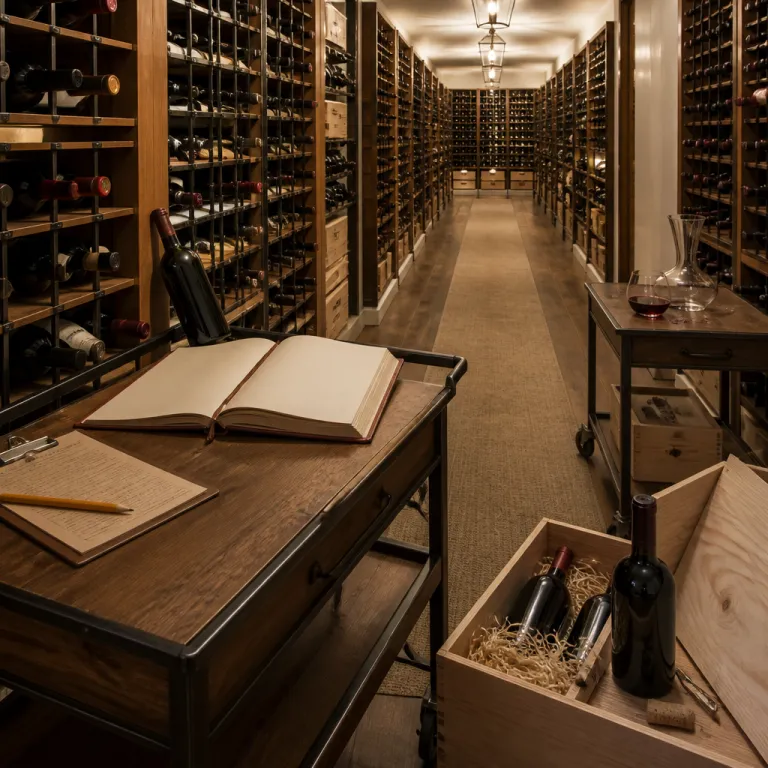
Tropical humidity is the single biggest threat to serious wine in Vietnam, and any vietnam hotel wine list sommelier worth their salt will tell you that. Heat, moisture and unstable power grids can ruin wines long before they reach a guest’s table, so the best hotels invest heavily in temperature controlled cellars and backup systems. When you see a dedicated place for wine behind glass, with visible digital controls, you are looking at the hidden engineering that protects your dining experience.
In Hanoi’s dense heat and in coastal Phu Quoc, luxury properties now build insulated wine rooms beside their main dining rooms, rather than storing bottles in generic food and beverage stock areas. Sommeliers work closely with engineering teams to schedule regular checks on humidity, temperature and backup generators, because a failed chiller can destroy a wine program overnight. This collaboration between sommeliers and back of house staff is rarely mentioned in glossy brochures, yet it defines whether a hotel can credibly claim to offer the best wine service in Vietnam.
Glassware and handling matter just as much as cellaring, and a serious vietnam hotel wine list sommelier program will specify stem shapes, polishing routines and serving temperatures for different wines. You will notice that top properties place wine in the glass at slightly cooler temperatures than in Europe, allowing it to warm gently in the tropical air during the meal. That detail shows both wine knowledge and respect for the realities of Vietnam’s climate, turning a potential weakness into part of the wine food rhythm of the evening.
Guests sometimes ask why a bottle costs several times more than at home, and the answer lies in import taxes, logistics and the infrastructure needed to protect each wine. Hotels that invest in proper storage, staff training and globally recognized wine education programs must apply a higher margin simply to break even. When you see a carefully curated wine list rather than a long, unfocused list, you are usually looking at a team that has chosen quality over volume in a challenging wine industry environment.
From Dalat hills to French salons: shaping Vietnam’s wine culture
Vietnam’s relationship with wine began with the French, and you still feel that history in Hanoi’s grand dining rooms. At Sofitel Legend Metropole Hanoi, the Le Beaulieu restaurant leans into this heritage with a Bordeaux forward wine list and a sommelier Vietnam team that treats wine service almost like theatre. The colonial architecture may frame the scene, but the modern vietnam hotel wine list sommelier philosophy is about precision, not nostalgia.
Head south to the central highlands around Dalat and you meet the country’s emerging Vietnam wine producers, whose vineyards sit at cooler elevations that suit grapes better than the lowland heat. Some luxury hotels now build wine programs that include visits to these vineyards, turning a simple tasting into a full day food and wine experience that connects guests to the land. When a sommelier explains how Dalat’s altitude shapes acidity in a local white, you feel the wine culture of Vietnam stepping out from France’s shadow.
On the coast, resorts in Phu Quoc weave local seafood, international wines and Dalat bottles into relaxed yet serious dining experiences. A skilled vietnam hotel wine list sommelier might suggest a crisp international Riesling beside a plate of grilled squid, then pour a chilled Vietnam wine from Dalat with a herb packed salad to show how local wines handle local food. That kind of wine pairing is not about showing off labels ; it is about using wine knowledge to frame the flavours that brought you to Vietnam in the first place.
As the Vietnamese middle class drinks more wine, hotel dining rooms become informal classrooms where wine education happens glass by glass. Sommeliers answer questions about WSET certification, explain why some wines feel better with spicy food, and gently correct misconceptions about rice wine versus grape wine. This everyday teaching builds a broader wine culture, one where hotel guests feel confident enough to explore beyond the safest names on the list.
The sommelier generation: careers, credentials and real table side craft
Spend an evening at Park Hyatt Saigon, JW Marriott Hanoi or Four Seasons The Nam Hai and you will notice something new at your table. A young Vietnamese sommelier, often WSET certified, now guides you through the wine list with a mix of technical knowledge and street level understanding of local food. This is the sommelier Vietnam generation, and they are reshaping what a vietnam hotel wine list sommelier can be.
For many of these professionals, the path starts in food and beverage service before they apply for a dedicated sommelier job within the hotel. They study through each WSET course level, attend internal wine education sessions and shadow senior sommeliers during busy service to learn how to read a dining room. The schedule is demanding, with late nights, constant tasting and the pressure of recommending the best wines to guests who may know more about international labels than they do.
Yet their passion is obvious when they talk about wine pairing for Vietnamese dishes, from bún chả in Hanoi to bánh xèo in Saigon. They experiment with food wine combinations that respect fish sauce, fresh herbs and chilli heat, often using high acid whites or lighter reds to keep the palate refreshed. Over time, these experiments become house signatures, and regular guests return specifically for that one wine food match they cannot find elsewhere in Vietnam.
For travelers curious about careers behind the scenes, hotel teams are transparent about how to apply for a sommelier job and what certification paths matter most. Managers look for both formal wine education and the softer skills needed to manage dining rooms, calm nervous wine lovers and place wine at the centre of the dining experience without intimidating anyone. This blend of credentials and hospitality instinct is what turns a simple vietnam hotel wine list sommelier role into a trusted guide for your entire evening.
How to read a Vietnamese hotel wine list like an insider
When you sit down in a luxury hotel dining room in Vietnam, the wine list can feel dense at first glance. Start by scanning how the wines are grouped ; a thoughtful vietnam hotel wine list sommelier will organise by style, region and sometimes by suggested food pairing for key Vietnamese dishes. This structure helps you move quickly from confusion to a focused dining experience that matches your mood and budget.
Look for a balance between international classics and Vietnam wine labels, especially from Dalat, because that mix signals a confident wine program rather than a copy pasted import selection. If the list highlights specific wine pairing suggestions beside signature dishes, you are seeing a team that has tested food wine combinations in real service, not just in theory. Ask the sommelier which wines they personally love with local food, and you will often unlock off menu pours or half bottles that never appear on the printed list.
Midway through your trip planning, it is worth reading our guide to what Vietnamese hospitality gets right compared with international chains at this in depth analysis of Vietnamese hospitality strengths. That context helps you understand why some hotels absorb part of the import markup on wines, while others pass the full cost to guests in order to fund ambitious wine programs. Either way, when you see clear by the glass options, transparent pricing and staff who can explain each pour, you are in safe hands.
For those who want to deepen their own wine knowledge while travelling, some hotels host regular wine education evenings or short tasting flights before dinner. "What types of wine are popular in Vietnam?" and "Are there local vineyards in Vietnam?" are questions you will hear often, and the answers usually lead to a glass of Dalat white or a discussion of rice wine traditions. Over time, these small interactions between wine lovers, sommeliers and chefs are what build a confident, modern wine culture inside Vietnam’s most ambitious hotels.
FAQ
What types of wine are popular in Vietnam?
Rice wine and imported grape wines are popular. In luxury hotels, you will mainly see imported grape wines from France, Italy, Australia and New Zealand, alongside a growing presence of Dalat based Vietnam wine labels. Rice wine appears more often in local restaurants, but some creative sommeliers now integrate it into food and wine tasting menus.
Are there local vineyards in Vietnam?
Are there local vineyards in Vietnam? Yes, especially in regions like Dalat. Several hotel wine programs now include Dalat producers on their wine list, and some properties can arrange day trips to vineyards in the central highlands so guests can experience the local wine industry first hand.
Do Vietnamese hotels offer wine tasting events?
Do Vietnamese hotels offer wine tasting events? Yes, many host wine dinners and tastings. In major cities and resort areas such as Phu Quoc, luxury properties use these events to provide informal wine education, showcase new wines and help guests understand how to pair Vietnamese food with both international and domestic bottles.
Why are hotel wine prices higher than retail in Vietnam?
Hotel wine prices in Vietnam reflect import duties, logistics and the cost of maintaining proper storage in a tropical climate. A serious vietnam hotel wine list sommelier program requires temperature controlled cellars, quality glassware and trained staff, all of which add to the final price. The upside for guests is that wines are stored correctly and served at the right temperature, which protects the overall dining experience.
How can I choose the best wine with Vietnamese food in a hotel restaurant?
The simplest approach is to describe your preferred style and budget, then ask the sommelier for a wine pairing with your chosen dishes. High acid whites, sparkling wines and lighter reds often work well with Vietnamese food because they handle herbs, lime and chilli without overwhelming the plate. Trust the sommelier Vietnam team to suggest options by the glass if you want to explore several wine food combinations in a single meal.