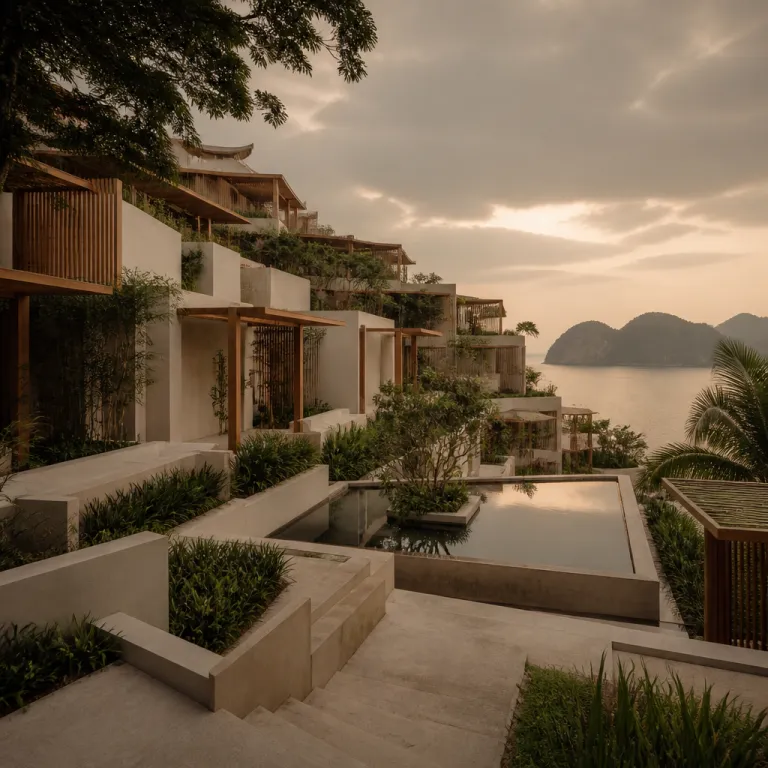
Why vietnamese hotel architects design now defines regional luxury
Vietnamese hotel architects design has moved from quiet background role to regional benchmark. Across Vietnam, a new generation of architects treats every hotel as a cultural project rather than a generic tropical escape. For families booking premium stays, this shift means architecture design now directly shapes how your children sleep, play and understand the city Vietnam they are visiting.
Ho Khue Architects in Đà Nẵng, ARB Architects in Hà Nội, IBSTAC Architects & Planners in Đà Lạt and HBH Architects in Lào Cai show how local projects can reset expectations for hotels resorts. Their M Hotel, Concon Hotel, Lam Son Hotel and Nam Khat Hotel are not just isolated projects studio experiments ; they are part of a broader movement where Vietnamese architects use innovative design architecture, sustainable materials and cultural integration to elevate guest experience. As one expert summary puts it clearly, “Ho Khue Architects, ARB Architects, IBSTAC Architects & Planners, HBH Architects.”
These architects work with modern tools and local craftsmanship to deliver architecture interior that feels rooted in each province Vietnam rather than imported from a catalog. Their architectural language blends landscape design, interior design and master planning so that a hotel lobby, a villa wing and a family pool terrace all tell one coherent story. When you browse myvietnamstay.com, you are effectively choosing between different architectural narratives of Vietnam, not just different room categories in another anonymous hotel.
From Hà Nội to Hồ Chí Minh City: urban hotels that feel Vietnamese
In Hà Nội Vietnam, the most interesting hotel projects use architecture to mediate between the old quarter’s tight house fronts and the wider city. ARB Architects’ Concon Hotel in the capital shows how vietnamese hotel architects design can carve calm from dense streets while still keeping the energy of the city just outside your window. The result is a hotel where architecture interior, from staircase to skylight, filters light and noise so families can sleep while the alley keeps humming.
In Hồ Chí Minh City, often shortened to Sài Gòn or simply Minh City, architects face a different challenge ; the city Vietnam here is vertical, fast and relentlessly bright. a21studio, a design studio based in the south, has become a reference for playful projects that embed neighborhood culture into every architectural detail. Their hotels and small urban villa conversions in Chi Minh districts use color, unexpected voids and layered interior design to make children feel they are exploring a friendly house rather than a corporate tower.
Across both Hà Nội and Hồ Chí Minh City, the best architecture for families keeps boundaries between inside and outside permeable without sacrificing comfort. Shaded balconies, planted courtyards and semi open corridors turn circulation spaces into play zones, while careful landscape design softens hard city edges. When you filter hotels resorts on a platform like myvietnamstay.com, look for properties where architects are named and projects are featured as design studio work, because that usually signals a hotel where the city itself has been invited into the architecture.
Resort vietnamese hotel architects design: from Phú Quốc to Côn Đảo
Along the coast, vietnamese hotel architects design has become a quiet revolution in how resorts relate to sea, wind and family life. On Phú Quốc, where hotels resorts once chased a copy paste Mediterranean look, Vietnamese architects now push for design architecture that reads the island’s light and monsoon patterns first. Low slung villa clusters, porous architecture interior and deep roof overhangs mean children can move between pool and room without parents constantly checking the weather radar.
Vo Trong Nghia Architects, often associated with the spa pavilions at Naman Retreat and several vertical forest hotel projects, has set a standard for climate responsive architecture design. Their work shows how bamboo, concrete and dense greenery can combine into architectural forms that reduce energy use while still feeling like the best architecture for a tropical family escape. This approach has influenced other projects studio teams from Hà Nội to Hồ Chí Minh City, encouraging more awards finalist entries that prioritize shade, cross ventilation and landscape design over shiny lobbies.
On Côn Đảo and in quieter province Vietnam coastlines, new hotels use master planning to keep built footprints light and views democratic. Instead of one dominant house like block, architects distribute smaller villa units along contours so more families share sea breezes and sunset lines. When you compare resorts on myvietnamstay.com, pay attention to site plans and whether the design studio behind the project has a track record in Phú Quốc, Côn Đảo or similar coastal projects, because that usually signals a thoughtful balance between privacy, children’s freedom and environmental responsibility.
Heritage, UNESCO rules and the French colonial question
Central Vietnam is where vietnamese hotel architects design meets the strictest heritage constraints and some of the region’s most emotional debates. In Hội An, UNESCO regulations on building height, roof pitch and façade materials mean architects must work within a tight architectural code. For families, this translates into hotels that sit low, breathe easily and keep you visually connected to the city rather than hiding you behind high walls.
Here, the tension between French colonial restoration and contemporary architecture design is especially sharp. Properties like Sofitel Legend Metropole in Hà Nội represent one end of the spectrum, where the house like colonial shell is preserved almost intact and interior design leans into period detail. At the other end, younger architects in Hội An and Huế use design architecture to reinterpret tiled roofs, timber frames and courtyard typologies into new hotels that meet UNESCO rules while still feeling current for a family arriving with tablets, strollers and high expectations.
Across Vietnam, awards winner and awards finalist lists increasingly include both careful restorations and bold new builds. The best architecture in this context is not about choosing sides but about how architects integrate architecture interior, landscape design and urban master planning so that a hotel supports the surrounding city fabric. When you read our deep dive on what Vietnamese hospitality gets right compared with international chains at this analysis of Vietnamese hospitality strengths, you will see how these design choices also shape service rituals, from how staff guide you through a courtyard to how breakfast spills into a garden.
How to read awards, studios and projects when booking
For design interested families, the language around vietnamese hotel architects design can feel opaque at first glance. Yet a few signals help you quickly separate marketing fluff from genuine architectural substance when you scroll through hotels resorts in Vietnam. Start by looking for clear credit to architects, whether it is a named design studio like mia design or a local firm such as Ho Khue Architects or IBSTAC Architects & Planners.
When a hotel highlights specific projects and mentions that its architecture interior or landscape design has been an awards winner or awards finalist, dig into what those awards actually celebrate. Some focus on sustainability, others on best architecture for dense city sites or on innovative villa layouts for families. If a property in Hà Nội Vietnam or Hồ Chí Minh City Vietnam talks about its projects studio work in multiple province Vietnam locations, that often signals a team comfortable with both urban and coastal contexts, from Phú Quốc to Côn Đảo.
Finally, read photos like floor plans ; notice how rooms relate to courtyards, how a villa cluster sits within master planning diagrams and how children’s routes to pools avoid service corridors. The most thoughtful vietnamese hotel architects design treats every house like unit, from smallest room to largest suite, as part of one coherent architectural story. When you choose such a hotel, you are not just booking a bed in a city or by the sea, you are stepping into a carefully composed project where architecture, interior design and landscape design quietly choreograph your family’s time in Vietnam.
FAQ
Who are leading Vietnamese architects in hotel design ?
Leading Vietnamese architects in hotel design include Ho Khue Architects, ARB Architects, IBSTAC Architects & Planners and HBH Architects, each with distinct strengths across city hotels and coastal resorts. Their projects range from M Hotel in Đà Nẵng to Concon Hotel in Hà Nội and Lam Son Hotel in Đà Lạt. When a property credits one of these architects, it usually signals serious attention to architecture design and guest experience.
What are notable hotel projects by Vietnamese architects ?
Notable hotel projects by Vietnamese architects include M Hotel in Đà Nẵng by Ho Khue Architects, Concon Hotel in Hà Nội by ARB Architects, Lam Son Hotel in Đà Lạt by IBSTAC Architects & Planners and Nam Khat Hotel in Lào Cai by HBH Architects. These projects show how vietnamese hotel architects design can adapt to very different climates and city scales. Families will notice thoughtful circulation, natural light and locally grounded interior design across these hotels.
How are Vietnamese architects influencing Southeast Asia's hotel landscape ?
Vietnamese architects are influencing Southeast Asia's hotel landscape by integrating local culture, sustainable materials and climate responsive strategies into modern hotels resorts. Their work often blends architecture interior with landscape design and careful master planning, creating properties that feel specific to each province Vietnam rather than interchangeable. This approach is raising expectations for best architecture across the region, from dense city Vietnam locations to islands like Phú Quốc and Côn Đảo.
Why should design focused travelers care about the architect when booking ?
Design focused travelers should care about the architect because vietnamese hotel architects design directly affects comfort, privacy and how families move through a property. A named design studio with awards winner or awards finalist recognition usually indicates deeper thinking about light, ventilation and child friendly circulation. Checking which architects and projects studio stand behind a hotel helps you choose stays where architecture quietly enhances every part of your trip.
How can I tell if a hotel in Vietnam has strong architectural value ?
You can often tell a hotel has strong architectural value if it clearly credits architects, explains its design studio concept and shows how architecture interior connects with outdoor spaces. Look for properties that reference specific projects, mention landscape design or master planning and appear in architecture or design media. When in doubt, compare photos of villa layouts, courtyards and city façades to see whether the hotel feels uniquely Vietnamese or could be anywhere in Southeast Asia.